Latest news, analysis and data in the agriculture sector.
business
14 Practical Ways to Protect Livestock During Extreme Heat Periods
By Noah Aderoju | Nov 05, 2026 | 0 comments

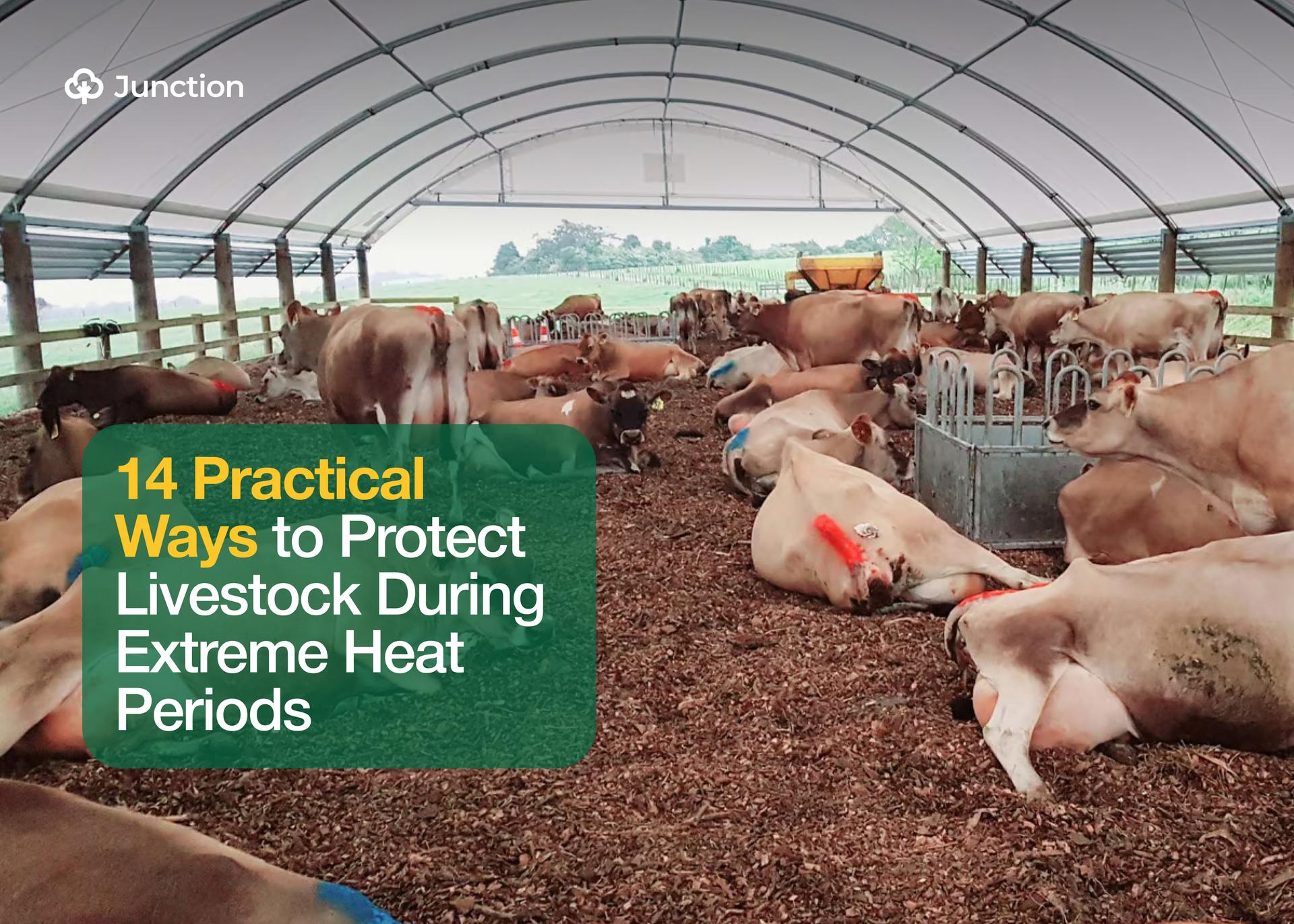
Extreme heat can adversely affect livestock farmers, as can excessive rainfall. Earlier in 2026, heavy and continuous rainfall caused floods that destroyed crop plantations and livestock farms. Now, as the rainy season ends, farmers' concerns shift to rising temperatures.
Since September 2026, nearly every Nigerian has battled a heat wave, and farmers decry the pressure it is putting on their businesses.
While crop farmers without irrigation facilities can avoid dry season farming, livestock farmers aren't that lucky. Animals are vulnerable to heat stress and production cycles are continuous, leaving farmers struggling to mitigate the negative impact of rising temperatures.
In this article, we look at how livestock farmers can survive the extreme heat. But first, what is heat stress, and how can it affect livestock farms?
Heat Stress in Livestock Animals
Just as heat creates discomfort in humans, it causes similar reactions in animals. In simple terms, Heat stress is the physiological strain caused by high temperature and humidity that overwhelms an animal’s ability to cool itself. It presents differently in various animals.
In poultry, their fully feathered bodies and lack of sweat glands make them more susceptible to heat. They cope by panting, but prolonged panting causes respiratory alkalosis (a blood chemistry imbalance) that disturbs their metabolism. Feed intake falls, water intake rises, and immune function drops, which makes birds more susceptible to disease. Broilers are most vulnerable, often succumbing to heat stress faster than layers, who produce fewer and smaller eggs during this period, costing the farmer expected income.
In ruminants like cattle, goats and sheep, feed intake and rumination drop while water demand rises. Growth slows in young stock and milk yield falls in dairy herds. Fertility also suffers because stressed animals won’t be sexually active or carry pregnancy to term. General immunity also weakens, especially in exotic breeds, and in extreme cases can lead to death.
Heat stress usually affects fish indirectly because warm water holds less dissolved oxygen (DO), which they need more of, so the real killer is low oxygen. Fish eat less, grow much more slowly, and become more susceptible to diseases. Also, accumulated toxic ammonia from feed remnants can block oxygen, which can lead to deaths overnight.
For each kind of farm, see the several ways to mitigate the effects of this heat and cool the farms.
Cooling Strategies for Poultry Farms
Provide Adequate Cool Drinking Water: Increase the number of drinkers to ensure birds have constant access to fresh, cool water. Keep water tanks and pipes shaded or buried to prevent the water from heating up.
Adjust Feeding Times: Feed birds during cooler periods, preferably early morning and late evening, to reduce heat generated during digestion.
Reduce Stocking Density: Avoid overcrowding by reducing the number of birds per cage or unit to improve airflow and minimise heat build-up.
Improve Roof Insulation and Shade: Use roof overhangs, reflective whitewash, insulation materials and shade trees to reduce direct sunlight and heat entering poultry houses.
Install Cooling and Ventilation Systems: Use fans in open-sided poultry houses and install roof sprinklers to lower temperatures. Where possible, power these systems with reliable energy sources such as solar power. Larger poultry operations can adopt tunnel ventilation systems with evaporative cooling pads to improve airflow and reduce indoor temperatures.
Cooling Strategies for Cattle or Small Ruminant Farms
Provide Adequate Shade: Shade is one of the most cost-effective ways to protect livestock during periods of extreme heat. Depending on the farm's production system, farmers should provide trees or shade structures that shield animals from direct sunlight.
Ensure Constant Access to Water: Provide abundant drinking water and sufficient trough space. Sprinkling water directly on animals during peak heat can also help keep them cool. Farmers should consider increasing the number of water troughs or reducing stocking density to prevent competition, ensuring that smaller or less dominant animals have equal access to water.
Adjust Feeding and Grazing Schedules: Feed animals during cooler hours and supplement dry-season fodder with essential minerals and nutrients. For pastoral herds, grazing should preferably take place at dawn, dusk or night. Farmers should also schedule trekking and livestock transportation for cooler periods to minimise exhaustion and heat stress.
Manage Breeding Activities: Where possible, avoid scheduling mating during periods of extreme heat. Provide adequate shade for breeding males, particularly bucks and rams, to protect their condition and reproductive performance.
Choose Heat-Tolerant Breeds: Select livestock breeds suited to the local climate to reduce heat-related production challenges. Dairy crossbreeds, for instance, may require additional cooling measures such as fans and sprinklers, which can increase farm operating costs. Farmers should consider these expenses when making breeding and investment decisions.
Managing Strategies for Aquaculture Farms
Maintain Adequate Pond Depth and Shade: Although fish may not suffer from heat in the same way as land animals, rising water temperatures can affect their environment, particularly dissolved oxygen levels. Farmers should maintain pond depths of about 1–1.5 metres or more, where appropriate, to provide a more stable aquatic environment. Shade nets and covered or shaded pond surfaces can also help reduce direct heat exposure.
Adjust Fish Feeding Rations: Reduce feeding when water temperatures are high or dissolved oxygen levels are low. Uneaten feed can accumulate at the bottom of ponds, deteriorate water quality and increase ammonia levels, putting fish under additional stress.
Reduce Stocking Density and Limit Handling: Avoid overcrowding ponds, as high stocking densities increase oxygen demand. Farmers should also postpone harvesting, grading and transporting fish during peak heat periods to minimise additional stress.
Improve Water Quality and Aeration: Increase aeration to maintain adequate dissolved oxygen levels. Where water supply permits, farmers can also undertake partial water exchanges or use flow-through systems. Regularly monitor dissolved oxygen, ammonia and pH levels to detect and address changes in water quality before they threaten fish survival.
Heat stress threatens livestock productivity, animal health and farmers’ income, especially during Nigeria’s hot season. However, with proper ventilation, adequate water supply, shade, improved feeding routines and effective water management, farmers can reduce heat-related losses, protect their animals and build more resilient livestock businesses.

Noah Aderoju
Noah Aderoju is a multimedia journalist and researcher with a passion for telling stories.
Comments
More Articles Like This


