Latest news, analysis and data in the agriculture sector.
business
8 Things Nigeria's Shea Nut Value Chain Needs to Transform into a Productive Sector
By Noah Aderoju | Mar 19, 2026 | 0 comments

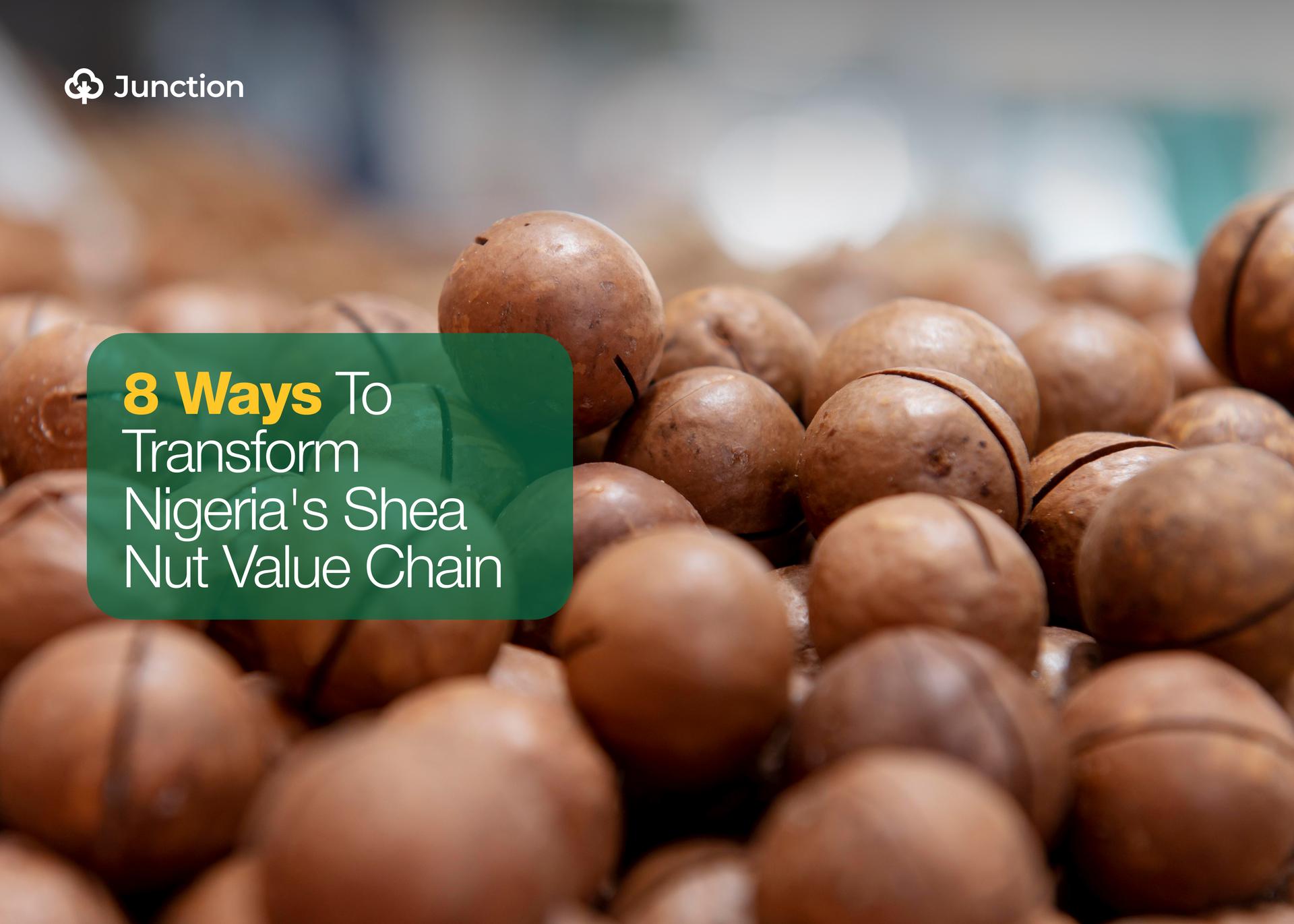
With the extension of the ban on Shea Nut exports by another year, Nigeria's Shea Nut industry stands at a critical juncture. With over 620,000 metric tons of shea nut production annually, more than 50% of global output, the nation possesses an unparalleled opportunity to transform a largely informal, export-oriented commodity sector into a sophisticated, value-added industry that generates wealth, creates employment, and strengthens rural economies.
Yet, realising this potential requires a comprehensive, stakeholder-driven approach that addresses the entire value chain while prioritising the millions of Nigerians whose livelihoods depend on shea.
In an exclusive interview with Elizabeth Olanrewaju Nwankwo, CEO of Oklan Best Limited and Director of Sustainability and Climate Adaptation for NASPAM (National Shea Products Association of Nigeria), a key stakeholder who operates across every level of the value chain, from picking and aggregation to export and small-scale processing, she diagnoses the sector’s challenges. She outlines eight critical actions needed to set the industry on the path to productivity and global relevance.
1— Understanding the Current Landscape
Elizabeth’s most important observation is that the Nigerian government does not fully understand the value of the industry it regulates. The global shea sector is worth $3.6 billion, yet it is often treated as a minor activity. Usually dismissed as “women’s business” involving products carried around informally. This misunderstanding has led to policy decisions made without consulting those whose livelihoods depend on the sector.
According to her, the shea industry in Nigeria is largely female-dominated, with women making up over 90% of those involved in primary collection and processing. These women form the backbone of the value chain, yet they remain among the most economically vulnerable in rural communities. The recent export ban, while aimed at promoting domestic processing, has disrupted existing operational frameworks, exposing the system's fragility and the urgent need for structural reform.
Nigeria is a top producer in the global shea industry, producing 620,000 metric tons annually compared to Mali’s 220,000 and Ghana’s 30,000. This highlights a clear natural advantage.
However, this advantage remains underutilised. Most shea nuts are exported in raw form, meaning Nigeria captures only a small share of the industry’s global value. This is not by choice, but mostly due to the lack of enabling facilities to boost local processing before exporting. Structural challenges related to the industry's peculiarities, such as the lack of access to financing for the women who dominate the sector and the high cost of technological equipment, are among the intricate reasons why most participants in the value chain operate on a small scale.
A good grasp of the intricacies of this industry will lay a strong foundation for engagement, policies and investments to improve the sector.
2— Capital Investment and Infrastructure Development
Transforming the shea sector must begin with significant investment in processing infrastructure. Elizabeth advocates for large-scale equipment investments, noting that some facilities may require up to $500 million, while smaller processing hubs can be established with about $2 million.
Establishing even 10 strategically located processing hubs across major shea-producing regions could be transformative.
These investments should be driven through collaboration between the government and development finance institutions. The Bank of Industry (BOI), the Development Bank of Nigeria (DBN), the Bank of Agriculture, Commercial banks, and other institutions with women-focused lending programmes should be mobilised to provide concessional financing.
Rather than placing the burden solely on individual processors, the government should develop financing systems that make equipment accessible to both large-scale operators and cooperatives.
Processing hubs would reduce transportation costs, improve quality control, create rural employment, and reposition Nigeria as a processor rather than just a raw material exporter.
3— Warehouse Financing and Aggregator Support
A major gap in the value chain is the absence of structured financing for aggregation and inventory management. Warehouse financing systems can ensure that once women complete processing, aggregators can purchase their products immediately without forcing them into unfavourable sales.
In this system, women process shea nuts within their communities, aggregators purchase and store them in financed warehouses, and processors source from these facilities. This ensures consistent supply, quality control, and traceability, which are key requirements for global competitiveness.
Aggregators, often small-scale operators with limited capital, need support to scale. Rather than eliminating them, policy should recognise them as essential links in the value chain. Without aggregators, there is no efficient system for consolidating products from dispersed rural producers.
4— Direct Support for Women Producers
Women represent the most vulnerable segment of the value chain, yet they contribute 60–70% of the labour. Supporting them must be central to any reform strategy.
Targeted funding, through grants or highly concessional loans, should cover the full production cycle, including picking, depulping, cooking, drying, and cracking.
Equally important is access to labour-saving equipment. Simple mechanised tools for cracking nuts would reduce physical strain and improve productivity. These can be deployed through cooperative models to reduce individual costs.
Training is also essential. Women and other value chain actors need continuous capacity building in handling, quality control, and equipment use to meet evolving market standards.
5— Pricing Mechanisms and Market Stabilisation
Price volatility and weak pricing structures remain major challenges. A structured pricing system is needed to ensure fair compensation, especially given women’s dominant contribution to production.
A commodity exchange framework offers a viable solution. Properly implemented, it can introduce transparent, standardised pricing based on quality grades, replacing exploitative negotiation systems with fair, market-driven mechanisms.
6— Sustainability and Long-Term Production
Maintaining Nigeria’s leadership in shea production requires addressing sustainability challenges, particularly tree depletion.
The government should mandate that each state allocate 5,000 hectares to shea cultivation. At the same time, laws must prohibit the cutting of shea trees, especially for charcoal production, with strict enforcement mechanisms.
Reforestation efforts must go beyond planting trees to include biodiversity management, pollination support, and climate adaptation strategies. Research in these areas should translate into practical interventions that improve yields and resilience.
7— Licensing, Traceability, and Quality Assurance
To compete in premium global markets, Nigeria must strengthen quality assurance systems. All participants in the value chain, from producers to aggregators, processors, and exporters, should operate within licensed and traceable systems.
Traceability is increasingly a market requirement, not just a regulatory one. Buyers demand transparency, ethical sourcing, and quality assurance.
Training in proper handling and storage must be prioritised to maintain product quality. Issues such as high Free Fatty Acid (FFA) levels can be addressed through improved storage conditions and processing standards.
8— Policy Implementation and Stakeholder Engagement
A key recommendation from the industry stakeholders is the need for genuine engagement in policymaking. Actors across the value chain must be involved in policy design, not after decisions have been made.
Effective implementation also requires clear timelines, defined responsibilities, and transition support. Rather than abrupt policy shifts, phased approaches should allow stakeholders to adapt and invest accordingly.
Conclusion: A Win-Win Future
Nigeria’s shea nut sector is at a turning point. With the right mix of policy stability, financing, infrastructure, and capacity building, the country can transition from exporting raw nuts to becoming a global leader in shea processing.
The benefits are far-reaching: increased incomes for rural women, job creation across the value chain, and a stronger position in a multi-billion-dollar global market.
This transformation will require coordinated effort from government, financial institutions, industry bodies, and entrepreneurs. But the opportunity is clear, the shea value chain is not just an agricultural sector; it is a pathway to inclusive economic growth and rural transformation.

Noah Aderoju
Noah Aderoju is a multimedia journalist and researcher with a passion for telling stories.
Comments
More Articles Like This


