Latest news, analysis and data in the agriculture sector.
news
Adamawa Culls Over 70 Cattle Suspected of Cyanide Poisoning
By Noah Aderoju | Apr 30, 2026 | 0 comments

News in Brief
-Over 70 cattle were culled at the Jimeta Modern Abattoir in Adamawa following suspected cyanide poisoning from toxic grass.
-Veterinary authorities intensify surveillance across all 21 LGAs and sent environmental samples to the veterinary research institute for testing.
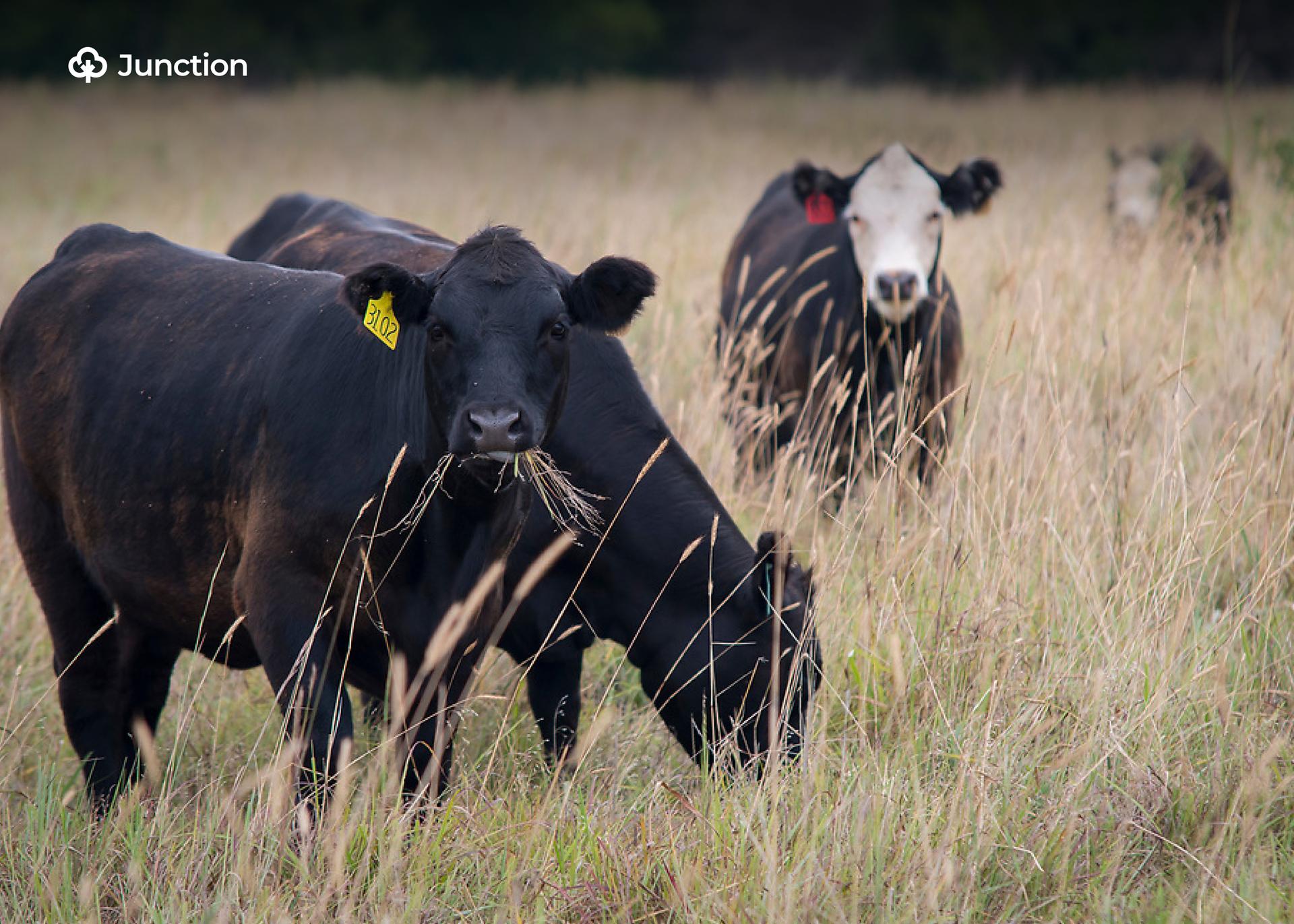
More than 70 cattle were culled at the Jimeta Modern Abattoir in Adamawa state after being suspected of cyanide or toxic grass poisoning. The Adamawa State Government said it took the emergency measure of removing the animals to safeguard public health in the state.
According to the Commissioner for Livestock and Aquaculture Development, Alhaji Salihu Idris, who made the development known during an inspection of the abattoir in Yola, the decisive action follows reports of suspected cyanide or toxic grass poisoning among livestock that had grazed in parts of Fufore Local Government Area (LGA) and bordering areas in Cameroon.
He said the directive, issued by Governor Ahmadu Fintiri, serves as a critical precautionary step to prevent the consumption of potentially contaminated meat and avert a broader public health crisis.
Alhaji Idris confirmed that most of the animals were culled at the scene in the Chambe Jouli and Ribadu areas of Fufore LGA, where they were suspected of consuming poisonous vegetation.
“The government acted proactively to save human lives and prevent possible spread to other animals,” the commissioner stated during the exercise.
He commended the ministry’s field staff across all 21 local government areas for their vigilance and prompt reporting, which he noted saved numerous residents from the risk of consuming unsafe meat.
Veterinary Investigation and Surveillance
Following the culling, the Ministry of Livestock and Aquaculture Development has intensified disease surveillance and monitoring of livestock movements across the state.
Dr Mohammed Suleiman, the Permanent Secretary, confirmed that field staff and veterinary officers have been placed on high alert to identify and report any further suspicious cases. Samples of both the suspected grass and soil from the affected grazing areas have also been dispatched to the National Veterinary Research Institute in Vom for comprehensive laboratory analysis to determine the exact cause of the poisoning.
Dr Bartholomew Nyalas, the Director of Veterinary Services, pointed to environmental factors as a likely culprit, explaining that wild sorghum, which often sprouts rapidly after the first rainfall, can contain high concentrations of cyanide. When consumed in large quantities by cattle, this plant can trigger acute cyanide poisoning. Veterinary authorities are now urging the public and livestock owners to remain vigilant and report any unusual animal illness or mortality to the nearest veterinary office immediately to ensure a swift response.
About Cyanide or Toxic Grass Poisoning
As noted by Dr Nyalas, cyanide or toxic grass poisoning often happens under certain environmental conditions, like post-drought, frost, or rapid regrowth after rainfall. Plants like wild sorghum or Sudan grass accumulate high concentrations of toxins. When ingested during grazing, the animal’s digestive system converts these compounds into hydrogen cyanide, which enters the bloodstream and prevents cells from utilising oxygen, effectively causing internal suffocation.
The symptoms of this poisoning often manifest within a short time, usually a few minutes or hours after consumption, causing animals to experience symptoms like difficulty in breathing or gasping, staggering, muscle tremors, convulsions, or general weakness, leading to the animal lying down. The gums or eyes of the animals may also appear bright "cherry red" due to the high oxygen content remaining in the blood that the tissues cannot absorb. And in severe cases, when the progression is very rapid, the animals may suddenly collapse and die
Human Health Consequences and Prevention Methods
The consumption of meat from an animal that has died from cyanide poisoning presents a significant public health risk, as residual toxins may persist in the tissue. While boiling or processing may reduce some risk, the potential for severe toxicity requires the immediate destruction of affected carcasses(animal body) to prevent any portion from entering the food supply.
To prevent such incidents, livestock owners should implement the following management practices:
Height Restrictions: Avoid grazing cattle on sorghum or related forages until they have reached a safe height (typically over 60 cm).
Timing and Monitoring: Do not graze animals during periods of high environmental stress, such as immediately after a frost or during severe drought, when toxin levels in plants spike.
Feeding Strategies: Ensure animals are not hungry when first turned out to pasture to prevent them from grazing too rapidly and consuming dangerous amounts of fresh, toxic growth.
Supplementation: Providing free-choice salt and minerals, specifically those containing sulfur, can help the animal’s body detoxify small amounts of cyanide more effectively.

Noah Aderoju
Noah Aderoju is a multimedia journalist and researcher with a passion for telling stories.
Comments
More Articles Like This


