Latest news, analysis and data in the agriculture sector.
news
Arla Foods to Spearhead Nigeria's $1.5bn Milk Imports Slash
By Chinwendu Ohabughiro | Nov 06, 2025 | 0 comments

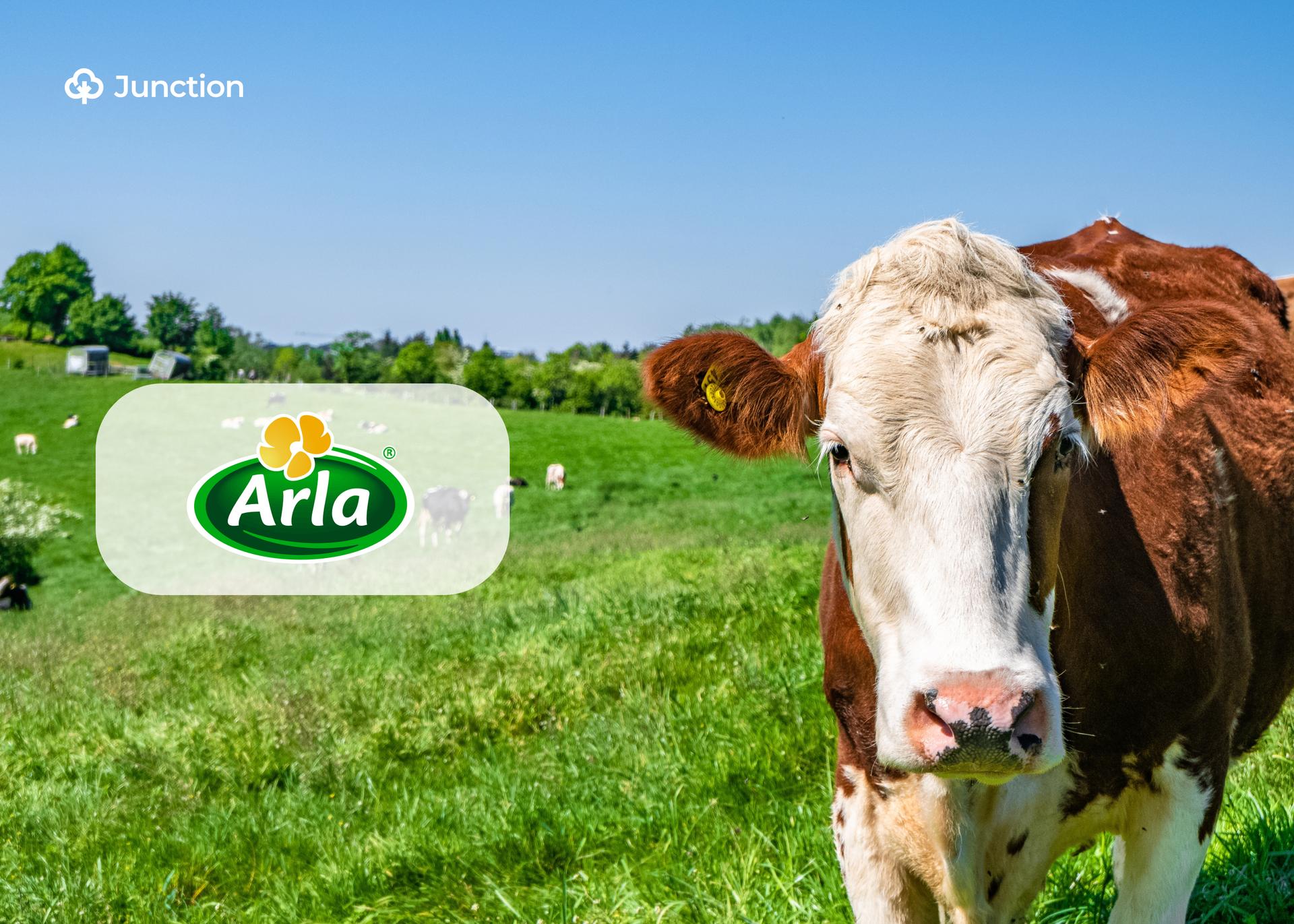
News in Brief:
-Nigeria produces just 700,000 litres of milk annually, far below national demand, forcing the country to import over $1.5bn worth of dairy products yearly.
-The new Arla-Dano Yoghurt Factory and Dairy Centre of Excellence in Kaduna aim to boost local milk production, train farmers, and promote sustainable dairy development.
Nigeria’s Minister of Livestock Development, Alhaji Idi Mukhtar Maiha, restated the Federal Government’s commitment to strengthening local milk production and reducing dependence on imports.
His statement came during the inauguration of Arla Foods Nigeria’s new yoghurt factory and the Nigerian Dairy Centre of Excellence at the Integrated Arla-Dano Dairy Farm in Damau, Kaduna.
Minister Maiha, representing President Bola Tinubu, described the initiative as a reflection of the government’s policy direction toward local content development and integrated agricultural growth.
Nigeria’s Milk Output Lags Behind Demand
Maiha revealed that Nigeria currently produces only 0.7 million litres of milk annually, a figure that falls far below national nutritional requirements. Despite the country’s large cattle population, Nigeria still spends over $1.5 billion yearly importing milk and other dairy products.
He said the establishment of the Federal Ministry of Livestock Development in 2024 was driven by the goal of unlocking the full potential of Nigeria’s livestock industry, boosting food security, and creating wealth across rural communities.
“The work Arla Foods is doing here in Kaduna, investing in local milk production, empowering farmers, and strengthening agricultural value chains, perfectly aligns with our national agenda for food security, job creation, and economic diversification,” he commented.
Public-Private Partnerships Driving the Dairy Revolution
Maiha commended Arla Foods for its “model of private sector partnership” that supports the government’s effort to transform the dairy sector into a major contributor to GDP.
Since its operations began in 2023, the Arla-Dano Farm has grown from 215 to over 400 cows, serving as a knowledge hub for modern dairy practices from animal breeding and milk hygiene to farm sustainability.
The newly inaugurated Yoghurt Factory will process 100% fresh milk sourced locally, while the Nigerian Dairy Centre of Excellence (NDCE) will provide research, training, and innovation support for farmers and agri-professionals nationwide.
Kaduna State and Arla Strengthen Local Partnerships
Representing Governor Uba Sani, Kaduna’s Secretary to the State Government, Dr Abdulkadir Mu’azu Mayere, reaffirmed the state’s commitment to supporting private sector-led agricultural growth.
“The Damau Farm project contributes to job creation, improved nutrition, and stronger local sourcing,” Mayere said, adding that Kaduna remains open to investors aligned with its agricultural transformation vision.
Arla Foods Nigeria’s Managing Director, Mr Peder Pedersen, described the new facilities as part of the company’s long-term backward integration plan and sustainable dairy development strategy.
“Together with our farmers, partners, and government agencies, we’re building capacity to ensure more fresh milk is produced and processed locally,” he said.
Pedersen added that the facilities meet international quality standards and align with Arla’s global commitment to sustainability and traceability in food production.
He acknowledged the support of partners, including the European Union Delegation to Nigeria, the Danish Mission, NAFDAC, and the Commercial Dairy Ranchers Association of Nigeria (CODARAN), noting their technical and regulatory support had been pivotal to the company’s progress.
Empowering Farmers and Enhancing Rural Livelihoods
The Nigerian Dairy Centre of Excellence will act as a training and knowledge hub for dairy farmers, offering guidance on modern animal nutrition, milk hygiene, and sustainable farm management.
Hundreds of local farmers have already been trained under Arla’s backward integration programme, with the NDCE expected to expand these efforts to other states in the coming years.
“Our ambition is clear, to build a resilient, inclusive, and competitive dairy value chain that secures Nigeria’s position as a future leader in sustainable dairy production in Africa,” Pedersen concluded.

Chinwendu Ohabughiro
Chinwendu Gift Ohabughiro is a Lagos-based content writer and communications specialist passionate about people-centered stories that inspire change. A lifelong learner, she loves exploring languages, culture, storytelling—and anything involving chocolate.
Kaduna Dairy Centre of ExcellenceLivestock and Milk ProductionArla Foods NigeriaDairy Development in Nigeria
Comments
More Articles Like This


