Latest news, analysis and data in the agriculture sector.
farming
Baking Soda Wash: A Simple Method to Reduce Pesticide Residues on Crops
By Obinna Onwuasoanya | Apr 01, 2026 | 0 comments

Questions answered in this article:
-How effective is baking soda in removing pesticide residues from fruits and vegetables, and how should it be used?
-Why can’t washing remove all chemical contaminants from produce, and what can farmers do to minimise these risks?
As food safety concerns grow among consumers and farmers alike, simple and affordable methods for reducing chemical residues on fresh produce are gaining attention. One such method, using sodium bicarbonate, commonly known as baking soda, is proving effective for removing surface pesticide residues from fruits and vegetables.
How Baking Soda Works on Produce
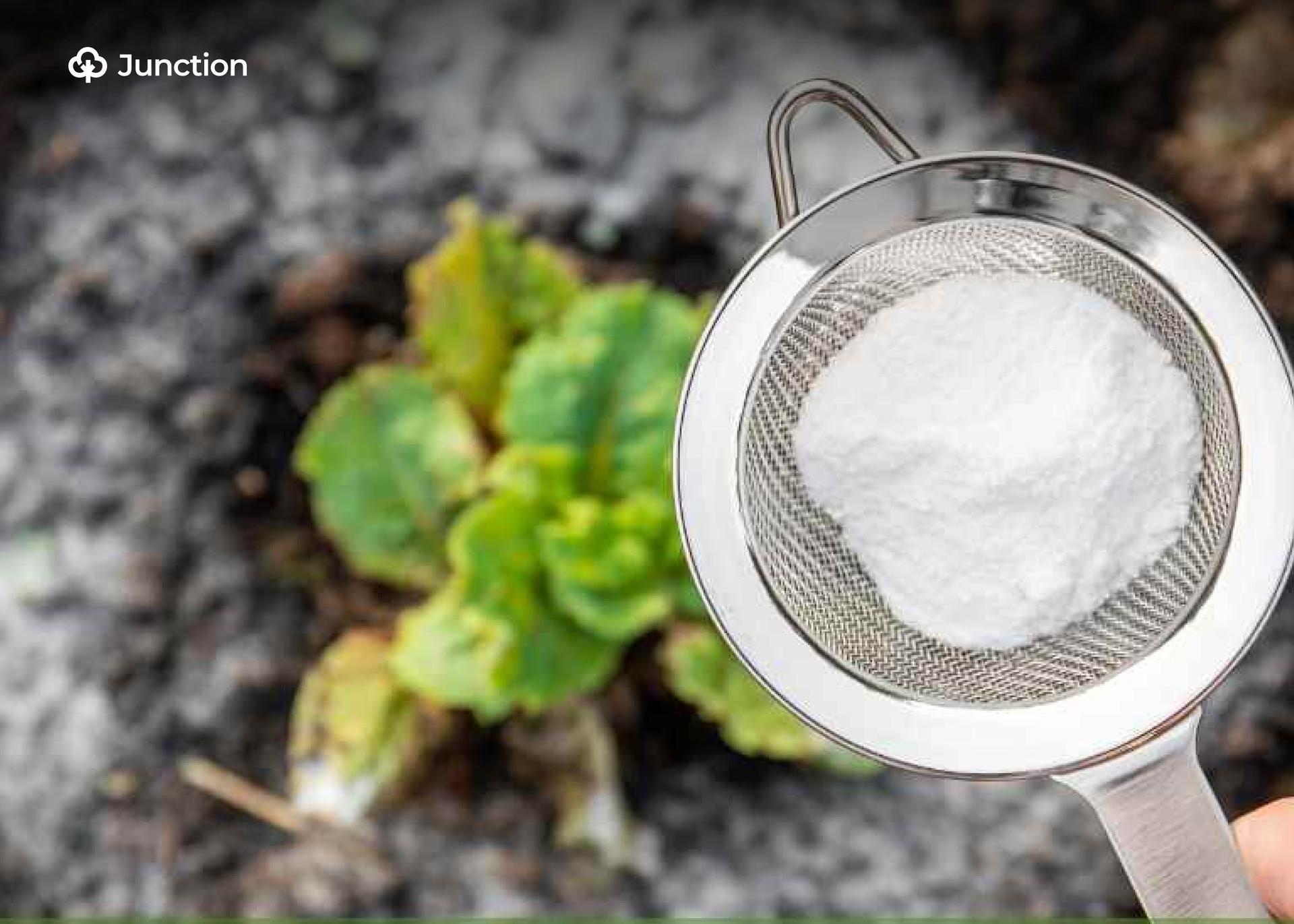
Baking soda is mildly alkaline and slightly abrasive, allowing it to break down and lift pesticide residues from the surface of produce. Studies have shown that a simple baking soda solution can remove up to 80–96 per cent of certain surface-level pesticides, making it more effective than washing with plain water or even some bleach-based solutions.
For farmers, retailers, and households, the process is straightforward. Mixing one teaspoon of baking soda with two cups of water creates an effective wash solution. Fruits and vegetables should be soaked in this mixture for 12 to 15 minutes before being rinsed thoroughly with clean water. This method has been found to help break down common pesticide compounds such as thiabendazole and phosmet.
For tougher residues or stains, a thicker paste made from baking soda and a small amount of water can be applied directly to the surface and gently scrubbed off.
Limits of Surface Cleaning
While baking soda washing is highly effective for surface contaminants, it is important to understand its limitations. Many modern pesticides and herbicides are systemic, meaning they are absorbed into plant tissues through leaves or roots. Once inside the plant, these chemicals cannot be removed by washing.
Similarly, crops grown in contaminated soils may absorb heavy metals such as lead, cadmium, or arsenic. Research shows that washing can remove only a small fraction, often less than 10 per cent, of these internalised contaminants.
Implications for Farmers
For Nigerian farmers, this highlights the importance of good agricultural practices beyond post-harvest cleaning. Observing pre-harvest intervals, allowing time for chemicals to break down before harvesting, is critical for food safety. In addition, careful use of agrochemicals and soil testing can help reduce the risk of contamination.
Other practical steps include peeling fruits, removing outer leaves of vegetables, and sourcing produce from less polluted environments or organic farmers.
A Balanced Approach to Food Safety
While baking soda offers a simple and cost-effective way to improve food safety, it is not a complete solution. Reducing chemical exposure in agriculture requires a combination of responsible chemical use, proper timing, and consumer awareness.
As demand for safer food continues to rise, integrating such low-cost methods with improved farming practices can help farmers deliver cleaner, healthier produce to the market.
Conclusion
Incorporating baking soda washing into post-harvest handling offers a practical and low-cost way to reduce surface pesticide residues and improve consumer confidence. However, true food safety begins on the farm, with responsible chemical use, adherence to safety guidelines, and proper soil management. By combining simple cleaning methods with sustainable farming practices, producers can better protect both public health and the long-term viability of their farms.

Obinna Onwuasoanya
Obinna Onwuasoanya is a Lagos-based tech reporter, editor, and SEO specialist with over seven years of professional writing experience. A versatile storyteller, he also works as a ghostwriter and fiction author, with his works featured in leading online and print publications. In 2018, he was shortlisted for the prestigious Writivism Short Story Prize.
Comments
More Articles Like This


