Latest news, analysis and data in the agriculture sector.
news
Benue to Establish Grain Reserve Systems Across 23 LGAs to Boost Food Security
By Noah Aderoju | Jul 20, 2026 | 0 comments

News in Brief:
— Benue State plans to establish grain reserve facilities in all 23 local government areas to reduce post-harvest losses and improve food security.
— The state also plans to train ginger farmers, protect indigenous ginger varieties and expand Lapia Grass cultivation.
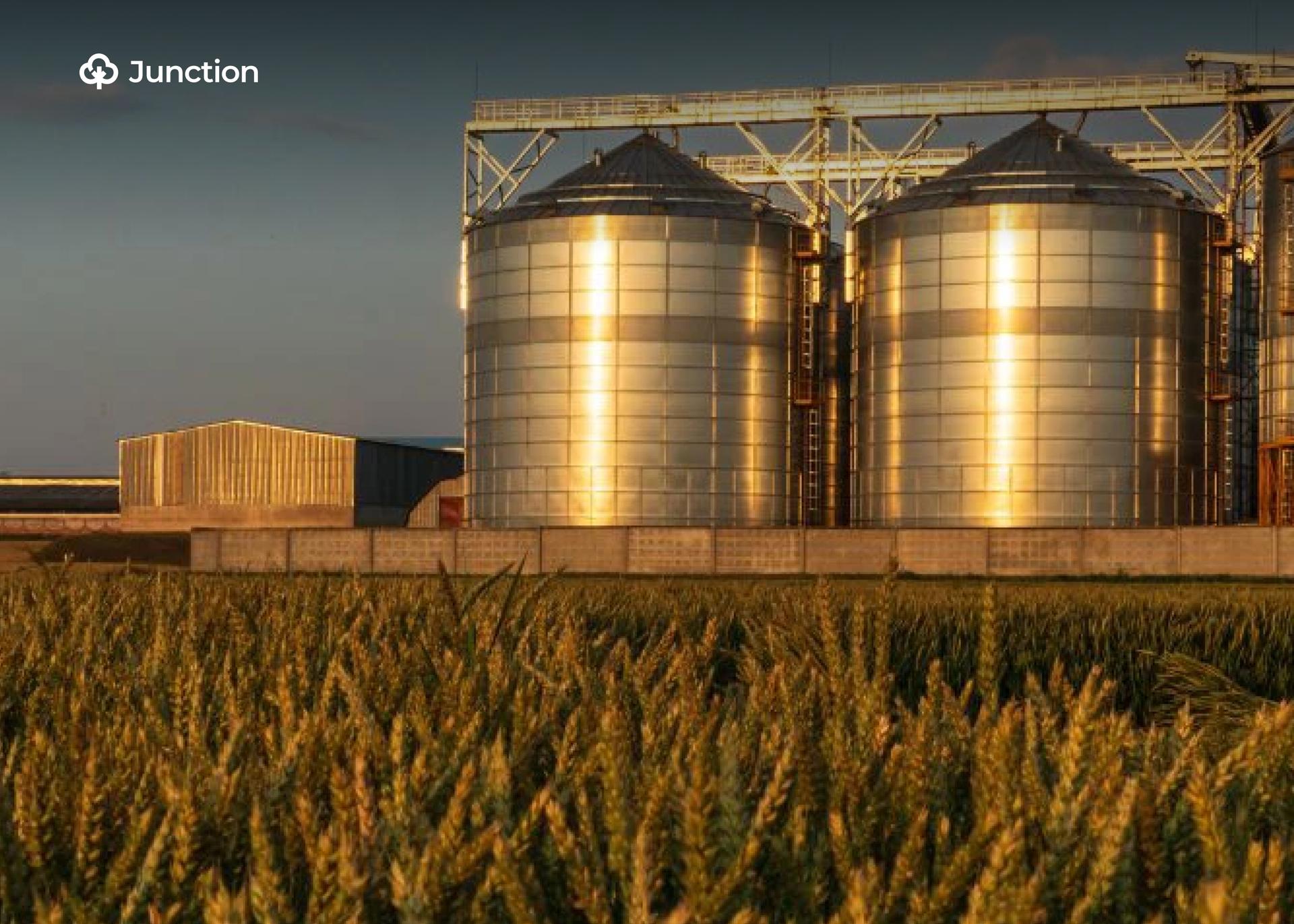
Benue State Government is set to establish a grain reserve system with storage facilities across 23 local government areas (LGAs) to strengthen food security, reduce post-harvest losses and stabilise agricultural produce prices.
The Commissioner for Agriculture and Food Security, Dr Benjamin Ashaver, revealed this during the second-quarter agricultural sector technical coordination meeting held in Makurdi on Tuesday.
Preserving Surplus Food
According to Ashaver, the initiative is part of the Benue State Government’s broader strategy to improve agricultural productivity and ensure sustainable food availability for residents.
The reserve system, he said, will help the state manage seasonal surpluses more effectively, support farmers after harvest and reduce the pressure that often forces producers to sell at very low prices.
He said the ministry would also begin training farmers on ginger production while rolling out measures to preserve Benue’s indigenous ginger varieties through appropriate policies and effective monitoring.
Ashaver added that the ongoing cultivation of Lapia Grass across the state is gathering momentum and is expected to boost livestock production.
Support for Farmers and Investors
The commissioner reaffirmed the ministry’s commitment to inclusive agricultural development, stronger food security and greater agribusiness investment through partnerships with relevant stakeholders and development partners.
He stated that the Governor Hyacinth Alia administration remains committed to transparency and equity in the distribution of agricultural inputs, stressing that government interventions would reach farming communities in all council wards across the state.
For a state with strength in crop production and reputable as the food basket of the nation, the plan signals an effort to move beyond farm output alone and build a more organised storage and market-support system that can protect farmers from losses and improve supply consistency.
What it Means for National Grain Reserves
Since 1987, Nigeria has had a national grain reserve system structured around on-farm storage, buffer stock and the Strategic Grains Reserve, now referred to as the Strategic Food Reserve. Under this system, there are 33 silos with a total capacity of 1.3 million metric tonnes, where about 19 of these silos are concessioned to the private sector.
Despite controversy over the productivity of these grain reserves amid the country’s food scarcity and continued post-harvest losses, this initiative could complement national goals by expanding storage capacity and bringing it closer to farming communities, thereby reducing wastage and creating a stronger pipeline from farm output to reserve systems.
If properly implemented, the state’s network may also ease the burden on central reserves by keeping more produce safe at the local level before it is needed at the federal level.

Noah Aderoju
Noah Aderoju is a multimedia journalist and researcher with a passion for telling stories.
Comments
More Articles Like This


