Latest news, analysis and data in the agriculture sector.
news
Brazilian Farmers Shift Towards Biopesticides
By Obinna Onwuasoanya | Feb 20, 2024 | 0 comments

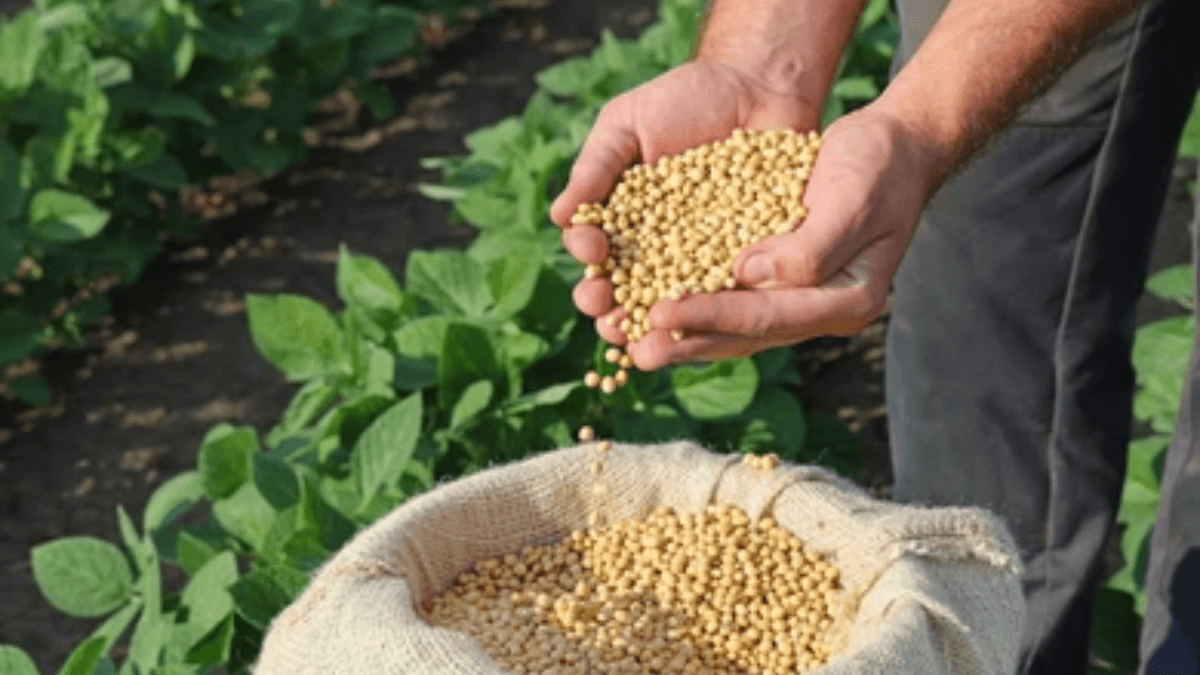
News in brief:- Brazilian farmers are increasingly adopting natural pesticides (biopesticides), reducing chemical inputs, and boosting crop yields.- Despite progress, challenges remain in shifting away from the dominant model of chemical-intensive agriculture, while recent policy changes raise concerns about environmental and health impacts.
Many Brazilian farmers like Adriano Cruvinel, interviewed by a media outlet, are witnessing a transformation on their farms. By embracing natural pesticides, Cruvinel claims to have significantly reduced chemical inputs while enhancing soy production.
"Thanks to the microorganisms we apply to the crop, it's a lot more resistant to pests and disease," he proudly states.
Despite being the global leader in chemical pesticide use, Brazil is experiencing a shift towards biopesticides. In 2021, the country consumed nearly 720,000 metric tons of chemical pesticides, representing a fifth of global sales.
In search of enhanced profits, Cruvinel adopted "regenerative" agriculture in 2016, focusing on soil biodiversity and replacing traditional fertilisers and pesticides with natural alternatives.
[caption id="attachment_6844" align="aligncenter" width="600"]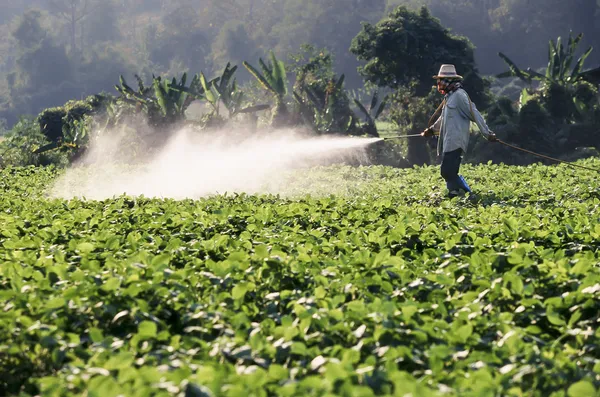 Brazilian farmer spraying natural pesticide on soy plants[/caption]
Adjacent to genetically modified soy fields, Cruvinel established a cutting-edge laboratory and factory. Inside, fungi and bacteria harvested from his farm's forestland are cultivated en masse and then applied to treat the fields. He proudly states that he has replaced 76% of chemical pesticides with natural products, leading to a 61% reduction in production costs and a 13% increase in soy yields.
Challenges and opportunities
While natural pesticides show promise, Marcos Rodrigues de Faria, a researcher at Embrapa, acknowledges that there's a "long way to go." In 2022, natural products accounted for 9% of total pesticide sales in Brazil, growing four times faster than the global average. Challenges persist, with the dominant model of land-intensive mono-crop agriculture hindering broader adoption. The agribusiness sector, a significant contributor to Brazil's economy, faces a politically charged pesticide debate. President Luiz Inacio Lula da Silva recently signed a law softening regulations on agricultural chemicals, drawing criticism from environmentalists. The law raises concerns about the potential harm caused by chemicals, affecting not only Brazil's agriculture but also its international trade relations, notably the EU-Mercosur deal.

Obinna Onwuasoanya
Obinna Onwuasoanya is a Lagos-based tech reporter, editor, and SEO specialist with over seven years of professional writing experience. A versatile storyteller, he also works as a ghostwriter and fiction author, with his works featured in leading online and print publications. In 2018, he was shortlisted for the prestigious Writivism Short Story Prize.
Comments
More Articles Like This


