Latest news, analysis and data in the agriculture sector.
farming
Brucellosis: Prevention, Management of Deadly Livestock Reproductive Disease
By Noah Aderoju | Apr 20, 2026 | 0 comments

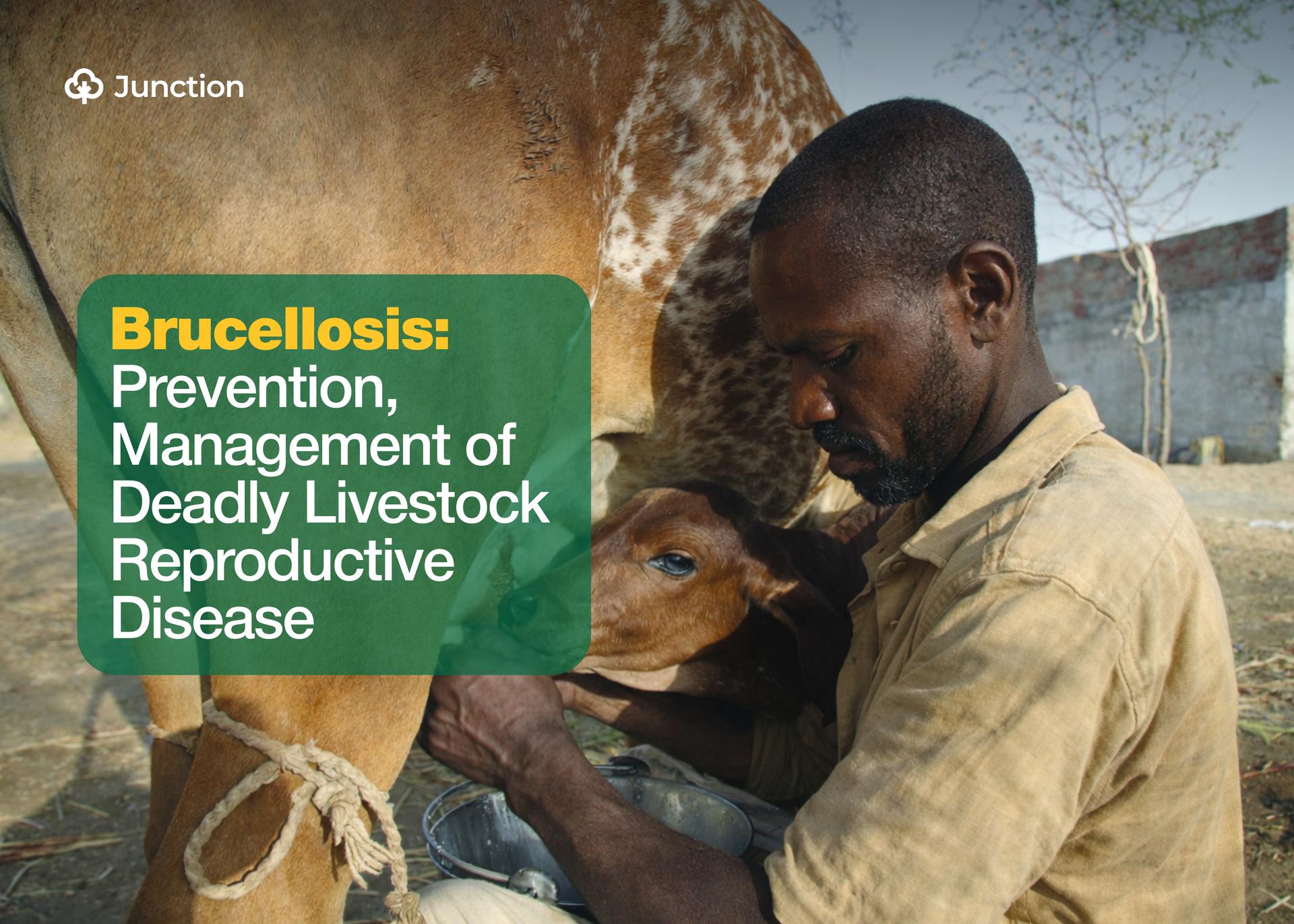
For Livestock farmers, a healthy herd is like money in the bank; it has real value that can be cashed out at any time and would even yield interest if left to grow for a longer period. So the greatest threat to the farmer will be an enemy that can silently empty those accounts overnight.
This is probably the best description one can give Brucellosis, known by many as "Contagious Abortion" or Bang’s Disease.
Brucellosis is a stubborn and heartless bacterial disease that threatens the survival of livestock farms. It doesn't just make animals sick; it attacks the very future of your farm by killing unborn calves and making livestock infertile. If you have ever seen a farm suffering a "storm" of abortions often happening at the late stage of pregnancy of the animals, it is probably brucellosis.
In this article, we will learn about Brucellosis, how this disease works and, more importantly, how you can protect your farm gates against it.
What is Brucellosis?
Brucellosis is a highly infectious bacterial disease caused by a germ called Brucella. It is a "reproductive" disease, meaning it focuses its attack on the womb of female animals and the private parts of males, causing systemic destruction of fetal viability, earning it the reputation of a "baby-killer".
While it is most common in cattle, it also affects sheep, goats, pigs, and even dogs. The scariest part of the disease is its insidious nature, where an infected animal often looks perfectly healthy and strong, even while she is carrying the disease and spreading it to the rest of your herd, until it is too late.
Beyond the immediate loss of calves, the disease causes decreased milk production, weight loss, and long-term infertility, which can erode a farm’s profitability over the years.
How Brucellosis Attacks Animals
The culprit behind this baby-killing disease is a tiny, non-motile, gram-negative bacterium (gibberish for a stubborn type of germ that doesn't move on its own but is very hard to kill with standard medicine). In cattle, the primary agent is Brucella abortus, while sheep and goats are typically plagued by B. melitensis, and pigs by B. suis.
The bacteria are formidable and clever because once they enter an animal, they do not simply circulate in the blood; they invade the animal's own immune cells, carving out a secret hideout for themselves. This "secret hideout" makes it very hard for the body to fight back and almost impossible for common antibiotics to reach the germ.
Then it waits in there silently and causes invisible damage until the animal gets pregnant and reaches the late stage of pregnancy before it makes its visible strikes.
The "Abortion Storm" The disease is famous for causing abortions in the late stages of pregnancy (between the 5th and 7th month). This is because the bacteria love a specific sugar found in the placenta (the "afterbirth") of animal offspring in the womb. They feed on this sugar, multiply rapidly, and cut off the food supply to unborn calves, leading to their death.
Signs to Watch For:
Late-term abortions: Calves are born dead or very weak.
Retained Placenta: The "afterbirth" fails to come out after the cow drops her calf.
Swollen Joints: You may notice cows with "big knees" or lameness.
Male Infertility: Bulls may have swollen testicles and eventually become unable to breed.
Less Milk: Even if the cow survives, her milk production will drop significantly.
Proven Ways to Prevent the Disease
Because brucellosis is virtually impossible to treat effectively in livestock, prevention is the only reliable defence. You must stop it from entering your farm in the first place by doing the following:
Vaccination: The RB51 vaccine is the gold standard. Giving this to your young female calves (4 to 12 months old) is the best way to protect them. It is about 80% effective and prevents the "massive shedding" of germs that infect other cows.
The "Closed Herd" Rule: The safest farm is one that doesn't bring in new animals. If you must buy new stock, quarantine them for at least 30 days and have a vet test them for Brucellosis before they touch your main herd.
Cleanliness: Always clean and disinfect calving areas. Aborted fetuses and fluids are "hot zones" filled with millions of germs, and they must be disposed of properly. It is ideal to burn them in a pit before burying them under the soil, away from other animals, to prevent them from contracting the disease from environmental discharge.
Best Way to Manage an Outbreak
When brucellosis is detected, the strategy shifts from prevention to aggressive containment and elimination. Unfortunately, this involve totaling removing infected animals from the farm. The common protocol for this is the "Test and Slaughter" Protocol. This involves:
Immediate Quarantine: The entire herd is restricted to the premises to prevent further spread.
Repeated Testing: All eligible animals are tested by professionals for the disease.
Removal of Reactors: Any animal that tests positive (a "reactor") is immediately sent to slaughter.
Surveillance: The herd must remain under quarantine and undergo successive negative tests before it can be declared "clean" again.
This process is harsh and financially painful for the individual producer, but it is the only proven method to protect the broader cattle population and national trade interests.
The Human Cost: Preventing Zoonotic Transfer
Brucellosis is also a zoonotic disease, meaning it can be transferred from animals to humans easily. For farmers, veterinarians, and slaughterhouse workers, the risk is an occupational hazard. However, the effect of Brucellosis in humans is different from that in animals. In humans, it causes "Undulant Fever", which is a sickness with recurring fevers, bone-shaking chills, and severe joint pain. If this is left untreated, it can lead to severe complications.
How Humans Get Infected
People generally contract the disease through three routes:
Ingestion: Consuming unpasteurized (raw) milk, cheese, or dairy products from infected animals is the most common route for the general public.
Direct Contact: Handling aborted fetuses, placental membranes, or birthing fluids without protection. The bacteria can enter through cuts, scrapes, or mucous membranes, like the eyes.
Inhalation: Inhaling aerosolised bacteria, which can happen in laboratories or during the cleaning of contaminated calving areas.
How to Prevent Transfers to Humans
To prevent human transfer and maintain overall farm biosecurity, producers must adopt a "One Health" approach:
Stop Raw Milk: Never drink unpasteurized (raw) milk or eat cheese made from it. Boiling milk kills the bacteria.
Personal Protective Equipment (PPE): Always wear sturdy rubber or plastic gloves, eye protection, and a mask when assisting with births or handling aborted materials.
Hand Hygiene: Scrub hands thoroughly with antimicrobial soap for at least 20 seconds after handling animals or tissues.
Disinfection: Brucella is sensitive to common disinfectants. Use 70% ethanol, quaternary ammonium compounds, or a 10% bleach solution on surfaces. Make sure the cleaning solution is left on the surface for at least 10 minutes before scrubbing.
Equipment Care: Never reuse needles between animals without sterilisation. Contaminated surgical instruments, dehorners, and ear taggers are highly effective at spreading the disease from animal to animal via human intervention.
A Call for Vigilance
Brucellosis is an unforgiving enemy that wins when farmers get comfortable. While the losses can be huge, the solutions are simple and non-negotiable: vaccinate, isolate, and clean. Don’t keep a "silent killer" on your farm. By testing your herd and practising good hygiene, you protect your livelihood and your family's health. The "baby-killing disease" can be stopped, but only if we act before the storm hits.

Noah Aderoju
Noah Aderoju is a multimedia journalist and researcher with a passion for telling stories.
Comments
More Articles Like This


