Latest news, analysis and data in the agriculture sector.
news
Cassava Starch Imports Rise 13,293% Causing Low Local Demand
By Chinwendu Ohabughiro | Nov 18, 2026 | 0 comments

News in Brief:
— Nigeria's cassava starch imports surged by 13,293% between 2020 and 2025, rising from 24.1 tonnes to 3,227.7 tonnes, while local processing factories are operating at just 15% capacity.
— Industry stakeholders blame cheaper imports, high production costs, inadequate financing and declining farm acreage for weakening local demand.
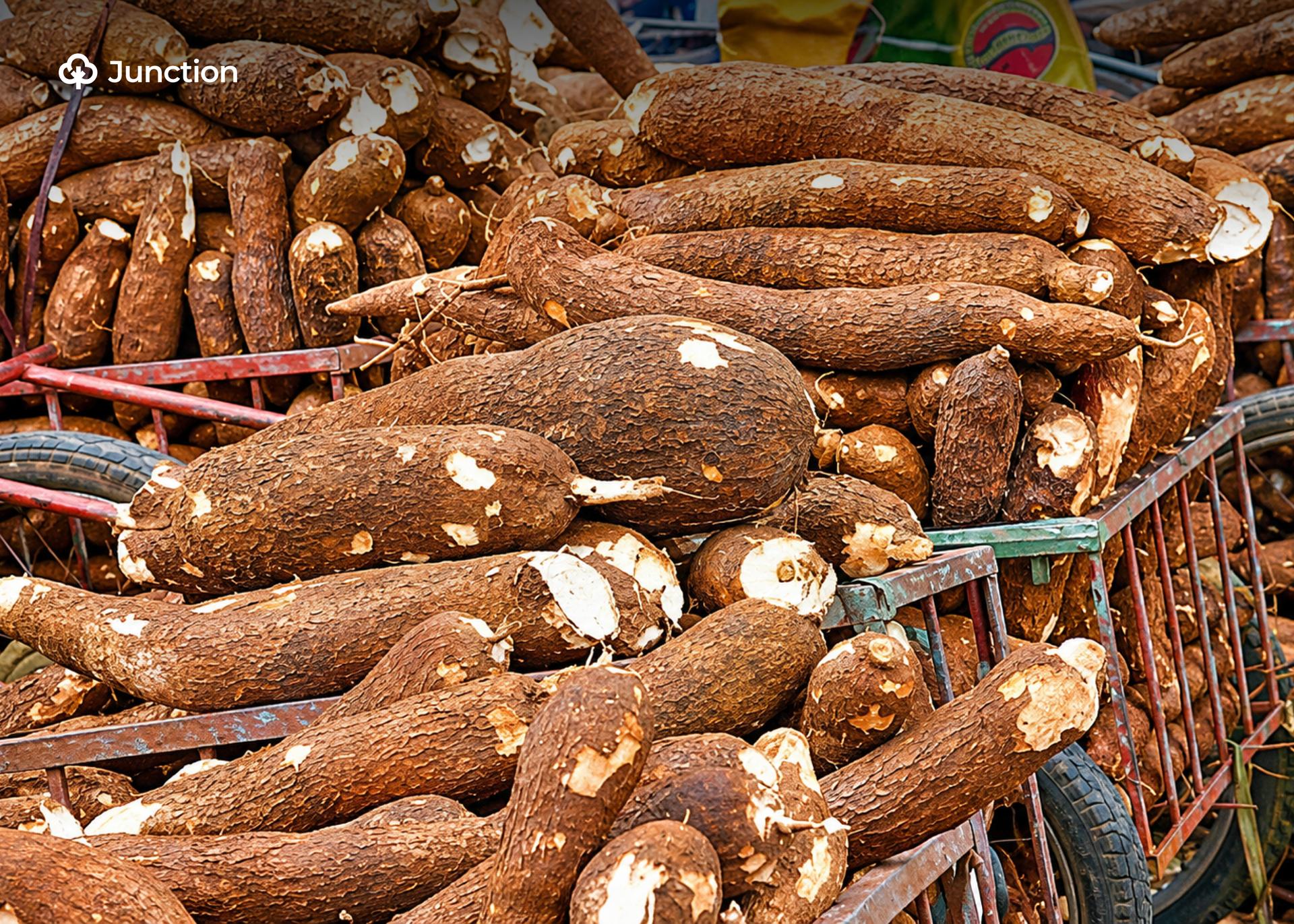
Nigeria's cassava processing industry faces mounting pressure as imports surged by 13,293% between 2020 and 2025, leaving local factories operating at low capacity and farmers struggling with falling prices.
Data from the World Bank's World Integrated Trade Solution, based on UN Comtrade records, showed that imports increased from 24.1 tonnes in 2020 to 3,227.7 tonnes in 2025. The development comes despite Nigeria's position as the world's largest cassava producer, with annual output exceeding 63 million tonnes.
Imports Undercut Local Processors
President of the Large-Scale Starch and Derivatives Producers Association of Nigeria, Oluyemisi Iranloye, said local processors were operating at about 15% of installed capacity because of weak demand and competition from cheaper imported starch.
Iranloye, also the founder of Psaltry International, said farmers could spend about ₦800,000 cultivating a hectare of cassava but earn only about ₦300,000 from selling their harvest at prevailing prices after 8 and 12 months of work.
She attributed the import surge partly to tariff reductions on competing starch products, arguing that lower duties on imported corn and pharmaceutical-grade starch had made local production less competitive.
High Costs Threaten Farmers and Factories
Food security expert Africanfarmer Mogaji warned that processors and farmers who borrowed to expand production were now struggling with mounting debts as manufacturers increasingly sourced imported alternatives.
Kolawole Adeniji, Managing Director of Niji Group, also blamed high machinery, diesel and transportation costs for declining cassava cultivation. He called for longer-term agricultural financing to support farmers and processors.
Despite Nigeria's enormous cassava output, only about 5% is reportedly used by industry, according to Segun Ladele, President of the Industrial Cassava Stakeholders Association of Nigeria.

Chinwendu Ohabughiro
Chinwendu Gift Ohabughiro is a Lagos-based content writer and communications specialist passionate about people-centered stories that inspire change. A lifelong learner, she loves exploring languages, culture, storytelling—and anything involving chocolate.
Comments
More Articles Like This