Latest news, analysis and data in the agriculture sector.
news
Chinese Scientists Develop Simple Plant Gene Editing Tool For Local Farmers
By Obinna Onwuasoanya | Feb 16, 2024 | 0 comments

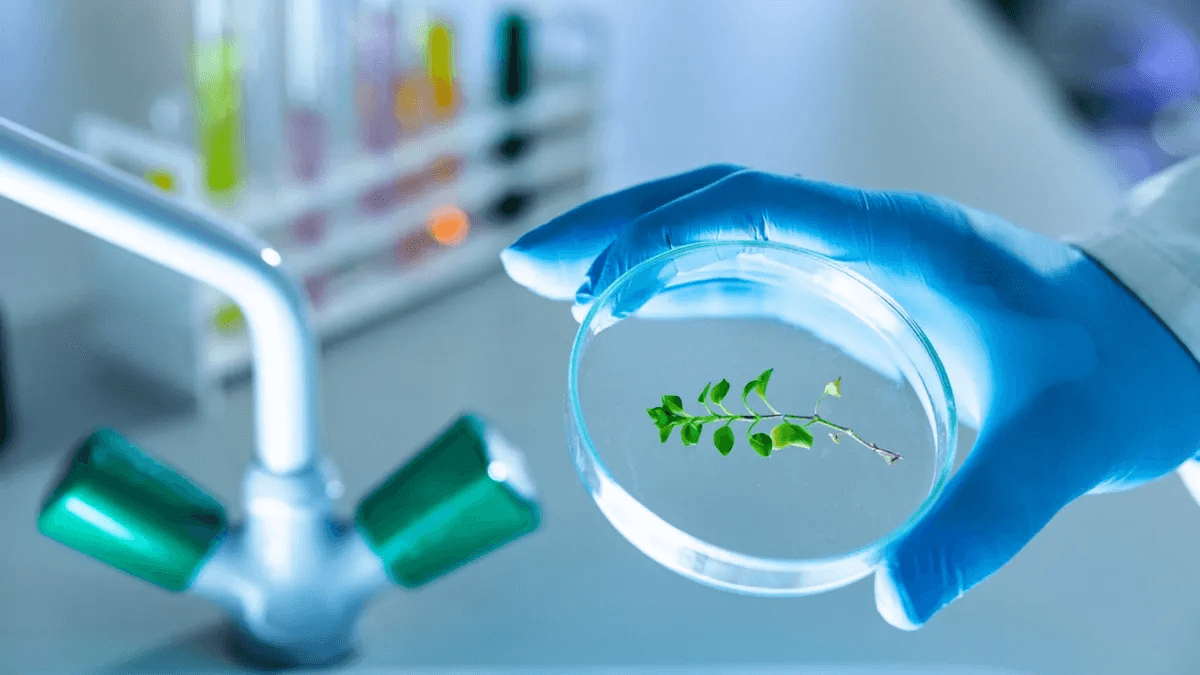
News in brief:- Chinese scientists at SUSTech have developed a simplified gene editing method, making it accessible to students and farmers.- The innovative "cut-dip-budding" approach bypasses traditional tissue culture, offering potential benefits for agriculture by enhancing crop productivity and resilience.
Chinese scientists, led by Zhu Jian-Kang, have developed an innovative method for genetic transformation and gene editing, significantly simplifying the intricate process of editing genes in plants. This breakthrough holds the potential to democratize gene editing, reducing the time-consuming task to a mere two weeks.
Traditional methods of heritable gene editing in plants pose significant challenges, often taking months or even up to a year and requiring sophisticated knowledge. Cao Xuesong, a scientist from the research team, added that it has a high technological barrier.
[caption id="attachment_6736" align="aligncenter" width="1200"]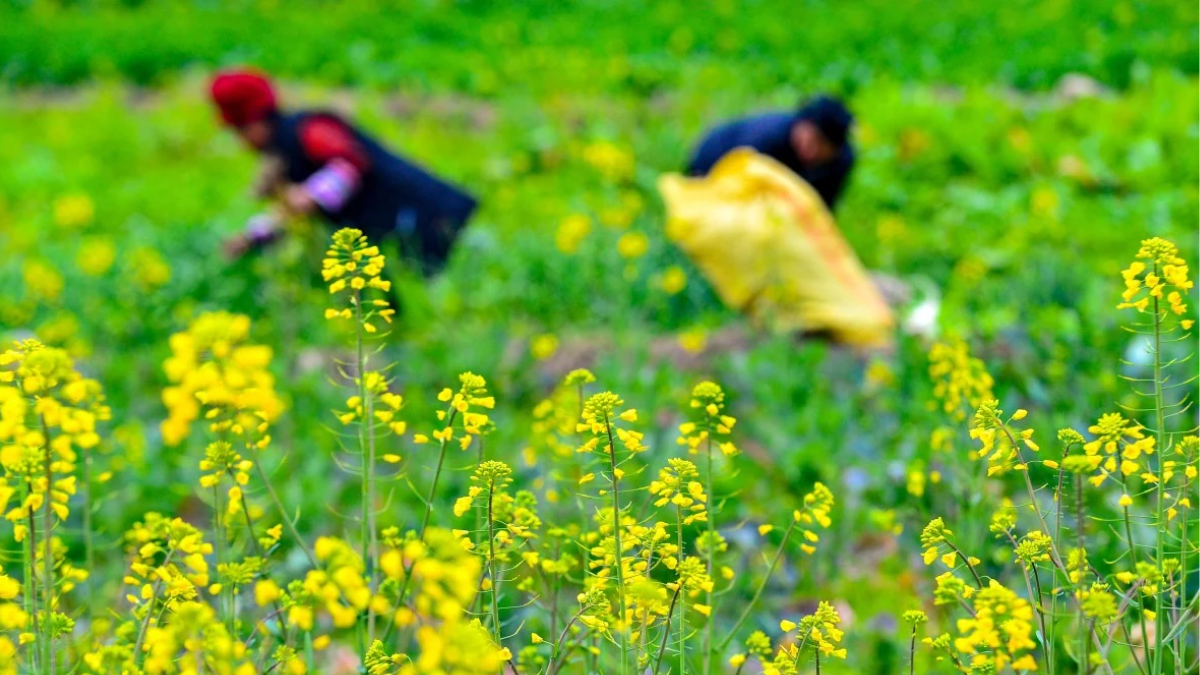 A Chinese team reports an âextremely simplified method for genetic transformation and gene editingâ that they hope will significantly lower the threshold for gene editing and increase its efficiency. Photo: Xinhua[/caption]
CRISPR/Cas and its evolution
The widely used CRISPR/Cas, a third-generation gene-editing tool, has played a transformative role in life sciences. However, its application in plants faces obstacles, including the inefficient delivery of gene-editing tools into plant cells. Zhu's team introduced the CDB method, standing for 'cut-dip-budding,' a revolutionary approach that skips tedious steps like tissue culture. This three-step process involves cutting a regenerative part of the plant, dipping it into a solution containing Agrobacterium, and regenerating the edited cells without the need for extensive tissue culture.
Widespread application and future prospects
The researchers successfully applied the CDB method to Taraxacum kok-saghyz, a species of dandelion notable for its production of high-quality rubber, demonstrating the tech's feasibility. Cao mentioned that the team tested the technology on over 20 plant species, indicating its potential as a general-purpose approach in gene editing. While the initial response from the scientific community has been positive, Cao emphasised the need for further investigation to evaluate the full potential of this method in plant research and agricultural production.

Obinna Onwuasoanya
Obinna Onwuasoanya is a Lagos-based tech reporter, editor, and SEO specialist with over seven years of professional writing experience. A versatile storyteller, he also works as a ghostwriter and fiction author, with his works featured in leading online and print publications. In 2018, he was shortlisted for the prestigious Writivism Short Story Prize.
Comments
More Articles Like This


