Latest news, analysis and data in the agriculture sector.
data
Cocoa Prices See Dramatic Decline Late in 2025
By Obinna Onwuasoanya | Nov 25, 2025 | 0 comments

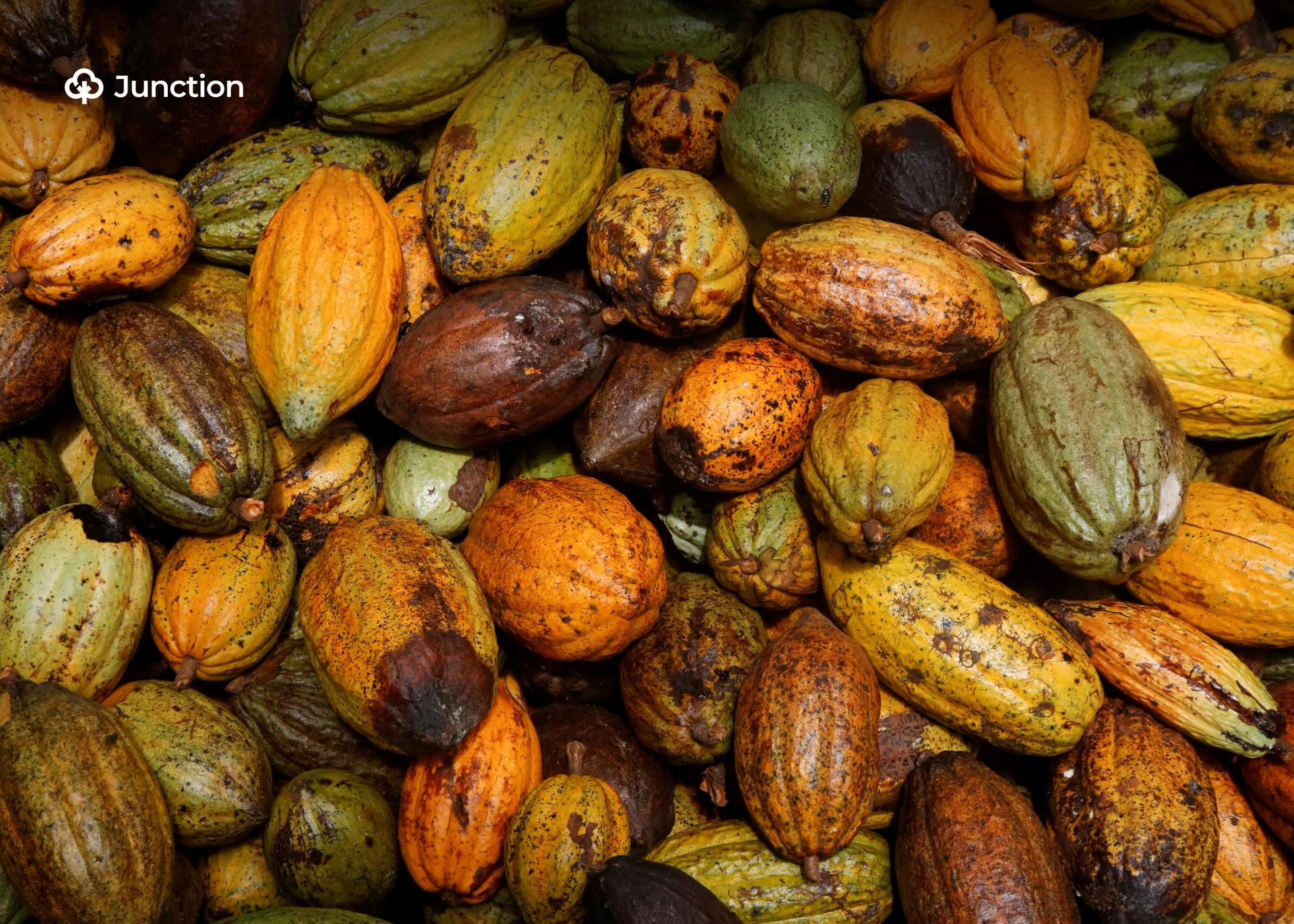
After months of fluctuating prices, cocoa recorded a significant downward slide of 23% in November 2025 compared to June. According to AFEX data, the movements represented market corrections and seasonal factors.
Cocoa opened at ₦11,364.48 in late May and rose to ₦12,384.63 by mid-June before dipping slightly to ₦12,000 at month-end. After falling sharply to ₦11,122 in early July, prices rebounded to ₦12,083 mid-month and remained mostly stable through August (₦11,713). September saw minor fluctuations, closing at ₦11,950, while October experienced a significant drop to ₦10,592 before recovering to ₦11,505. In November, cocoa plunged to ₦8,250 early in the month, ending at ₦8,748 by November 21.
Impact on Stakeholders and Market Stability
The sharp drop in cocoa prices could have significant implications for local food and beverage companies in Nigeria. As a primary raw material for chocolate, confectionery, and beverage products, falling prices may initially reduce production costs for these manufacturers.
For export-focused cocoa producers and agribusinesses, the decline presents both challenges and opportunities. Lower global and domestic prices reduce revenue and profit margins; competitive pricing could make Nigerian cocoa more attractive to international buyers, potentially increasing export volumes.
Smallholder farmers and cooperatives may bear the brunt of reduced income, which can impact livelihoods and the ability to invest in farm inputs for the next planting season. Larger agribusinesses leverage economies of scale to maintain their operations. However, sustained low prices could trigger production cutbacks or shifts to alternative crops, which would affect overall cocoa supply in the medium term.
Consumers in Nigeria may experience mixed effects. On one hand, lower cocoa prices could eventually translate into more affordable chocolate, cocoa-based drinks, and confectionery products, benefiting households and stimulating domestic demand. On the other hand, the broader economic impact of reduced revenue for farmers and agribusinesses could indirectly reduce purchasing power. People may experience job losses, lower wages, and decreased rural incomes.
Additionally, volatility in cocoa prices may ripple through other parts of the supply chain, potentially causing temporary shortages or uneven price adjustments in consumer markets.
To mitigate these challenges, policy and industry measures could play a critical role in stabilising the cocoa sector. The government, in collaboration with cocoa boards and industry associations, could implement support programs such as minimum price guarantees, subsidised inputs, or crop insurance schemes for smallholder farmers.
Export promotion initiatives and strategic financing options for agrobusinesses could help sustain operations during periods of low prices. Additionally, encouraging value addition and local processing of cocoa products would reduce dependency on raw exports and strengthen resilience against global price shocks, ensuring that all stakeholders, from farmers to consumers, benefit from a more stable and competitive market.

Obinna Onwuasoanya
Obinna Onwuasoanya is a Lagos-based tech reporter, editor, and SEO specialist with over seven years of professional writing experience. A versatile storyteller, he also works as a ghostwriter and fiction author, with his works featured in leading online and print publications. In 2018, he was shortlisted for the prestigious Writivism Short Story Prize.
Comments
More Articles Like This


