Latest news, analysis and data in the agriculture sector.
news
CPPE Urges Farm Price Stabilisation Framework to Protect Nigerian Farmers
By Noah Aderoju | Feb 05, 2026 | 0 comments

News in Brief
-The CPPE has called for a National Farm Price Stabilisation Framework on strategic staple crops to protect farmers from market shocks.
-These measures aim to prevent distress sales, sustain investments, and avert future food scarcity by addressing structural weaknesses like poor storage and logistics.
The Centre for the Promotion of Private Enterprise (CPPE), a leading private sector think tank, has called on the Federal Government to introduce a rule-based national farm price stabilisation framework to protect Nigerian farmers from recurring price shocks and income losses.
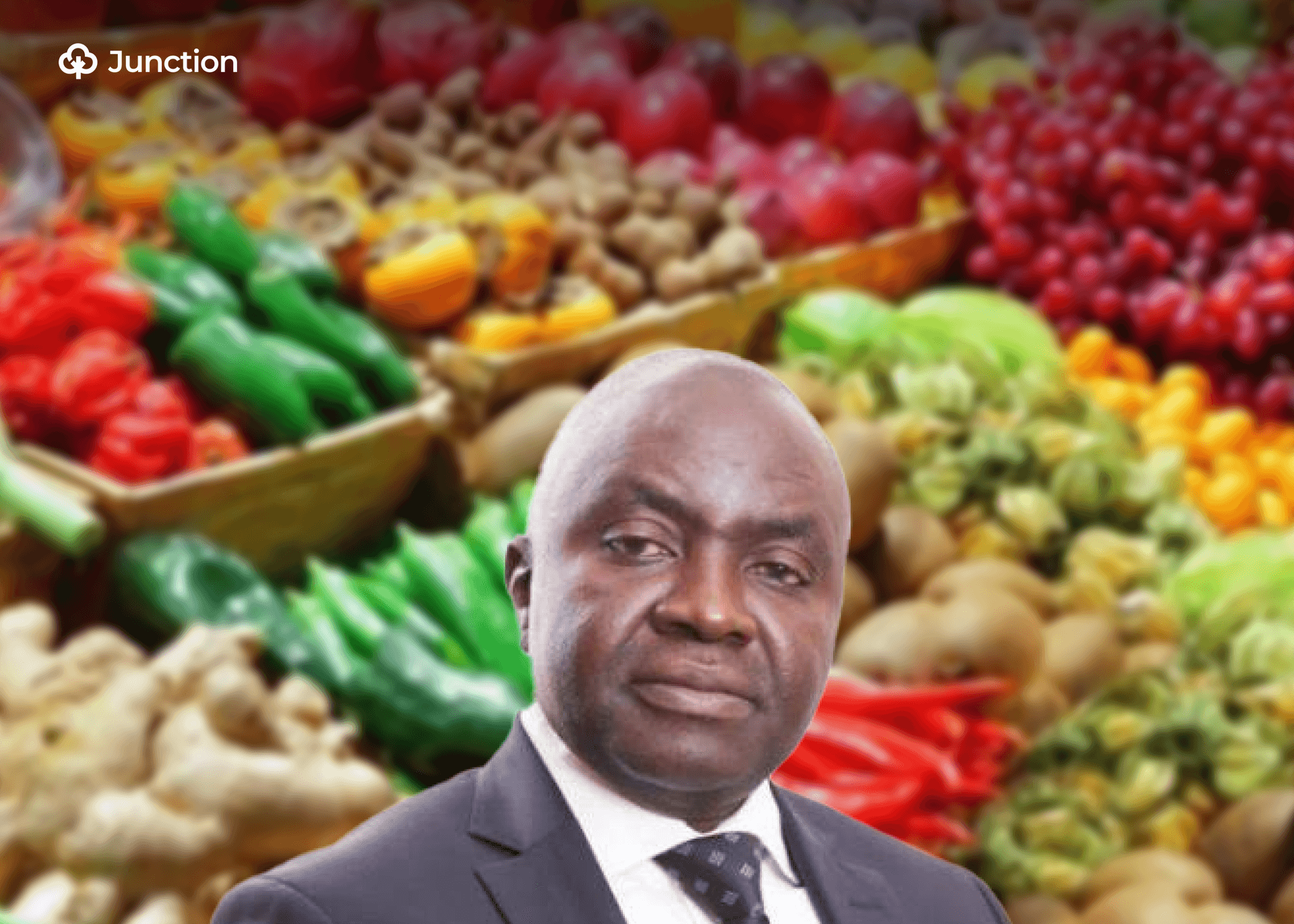
Chief Executive Officer of the enterprise, Dr Muda Yusuf, made the call through a signed statement on Sunday, warning that the survival of local agriculture in Nigeria is at stake if the current trend is left unchecked.
The call comes amid recent sharp declines in staple crop prices, driven by import surges and government food security measures that have lowered inflation but hurt farmers.
Imports Impacting Local Farmers' Livelihoods
Yusuf highlighted how the absence of structured mechanisms exposes farmers to import-induced crashes, seasonal gluts, and distress sales, eroding investment confidence and rural employment.
He noted that while lower food prices offer short-term relief to households, the long-term risks include reduced production, renewed scarcity, and future price spikes.
“The welfare gains from cheaper food have been profound and should be acknowledged. However, the cost to farmers and other investors across the agricultural value chain is equally high and cannot be ignored,” CPPE stated in the brief.
Key Drivers of Price Fall
CPPE identified multiple factors influencing farm price instability in Nigeria, including massive import surges of staples such as rice, maize, and soybeans, which have flooded markets and depressed farm-gate prices. Harvest-time gluts occur due to simultaneous cropping seasons across regions, compounded by limited storage capacity that forces immediate sales.
Weak rural logistics, inadequate processing facilities, insecurity, and high input costs further worsen the crisis, pushing farmers into losses despite high production expenses.
Recent data from markets like Lugbe in Abuja shows local rice bags falling from ₦80,000 last year to ₦52,000 now, and beans have fallen from ₦180,000 to ₦75,000 per 100kg bag, underscoring the scale of the downturn. Without intervention, CPPE warns, these trends could reverse recent food inflation moderation and undermine Nigeria's agricultural transformation goals.
Core Recommendations for Stabilisation
The centre proposes the introduction of a Minimum Guaranteed Prices (MGP) framework for priority crops like maize, rice (paddy), sorghum, and soybeans, acting as a government backstop only when market prices fall below support levels. These prices would be set transparently based on production costs, logistics, and fair margins, backed by storage infrastructure to avoid fiscal risks.
“Support prices should follow a transparent methodology reflecting cost of production, storage and logistics costs, and fair farmer margins,” Dr Yusuf explained.
CPPE also advocates reforming Nigeria’s Strategic Grain Reserves into a modern buffer stock system, buying surplus during harvests and releasing during lean periods to smooth volatility. A nationwide rollout of the Warehouse Receipt System would also allow farmers to store produce in certified facilities, access credit via receipts, and sell at better times, curbing distress sales.
Infrastructure and Support Measures
Beyond pricing tools, the think tank calls for massive public-private investments in storage, cold-chain logistics, and processing hubs to absorb gluts and create jobs. Institutional procurement via school feeding, military supplies, and relief programs should prioritise local harvests transparently.
The organisation recommended additional efforts to expand agricultural insurance for farmers, create a national market information system for transparency, and implement strategic input cost-reduction interventions, especially for fertilisers, seeds and machinery, single-digit loans, and extension services.
Trade safeguards against import dumps and digital tools for transparency would ensure the framework remains market-friendly and fiscally sustainable. CPPE stresses collaboration among federal/state governments, commodity exchanges, development financiers, and private investors to implement these.
Implications for Nigeria's Food Sector
Dr Yusuf concluded that Nigeria’s agricultural transformation and food security objectives cannot be achieved without stabilising farmers' income. He warned that failure to act now risks a production slump, as seen in past cycles, hitting Nigeria's agriculture sector, which is the largest employer of labour, very hard.
The CPPE boss further called on federal and state governments, commodity exchanges, development finance institutions, and private investors to collaborate in establishing a market-friendly, transparent, and fiscally sustainable farm price stabilisation framework.
According to the organisation, a stable agricultural market would not only protect farmers but also strengthen food security, reduce inflationary pressures, expand rural employment, and enhance Nigeria’s overall economic resilience.

Noah Aderoju
Noah Aderoju is a multimedia journalist and researcher with a passion for telling stories.
farm price stabilisationNigeria Farm Price StabilisationCPPENigerian FarmersMinimum Guaranteed PricesAgriculture NigeriaFood SecurityDr Muda Yusuf
Comments
More Articles Like This


