Latest news, analysis and data in the agriculture sector.
news
Ekiti Targets 10 Million Cocoa Seedlings in Decade-Long Revival Push
By Noah Aderoju | Apr 01, 2026 | 0 comments

News in Brief
-Ekiti State launches a 10-year plan to raise 10 million cocoa seedlings annually, partnering with training and research institutions to replace ageing trees and revive production.
-Farmers gain 50% subsidies on seedlings and chemicals, irrigation pumps in a pilot, training for traceability, and SAPZ integration for processing jobs and exports.
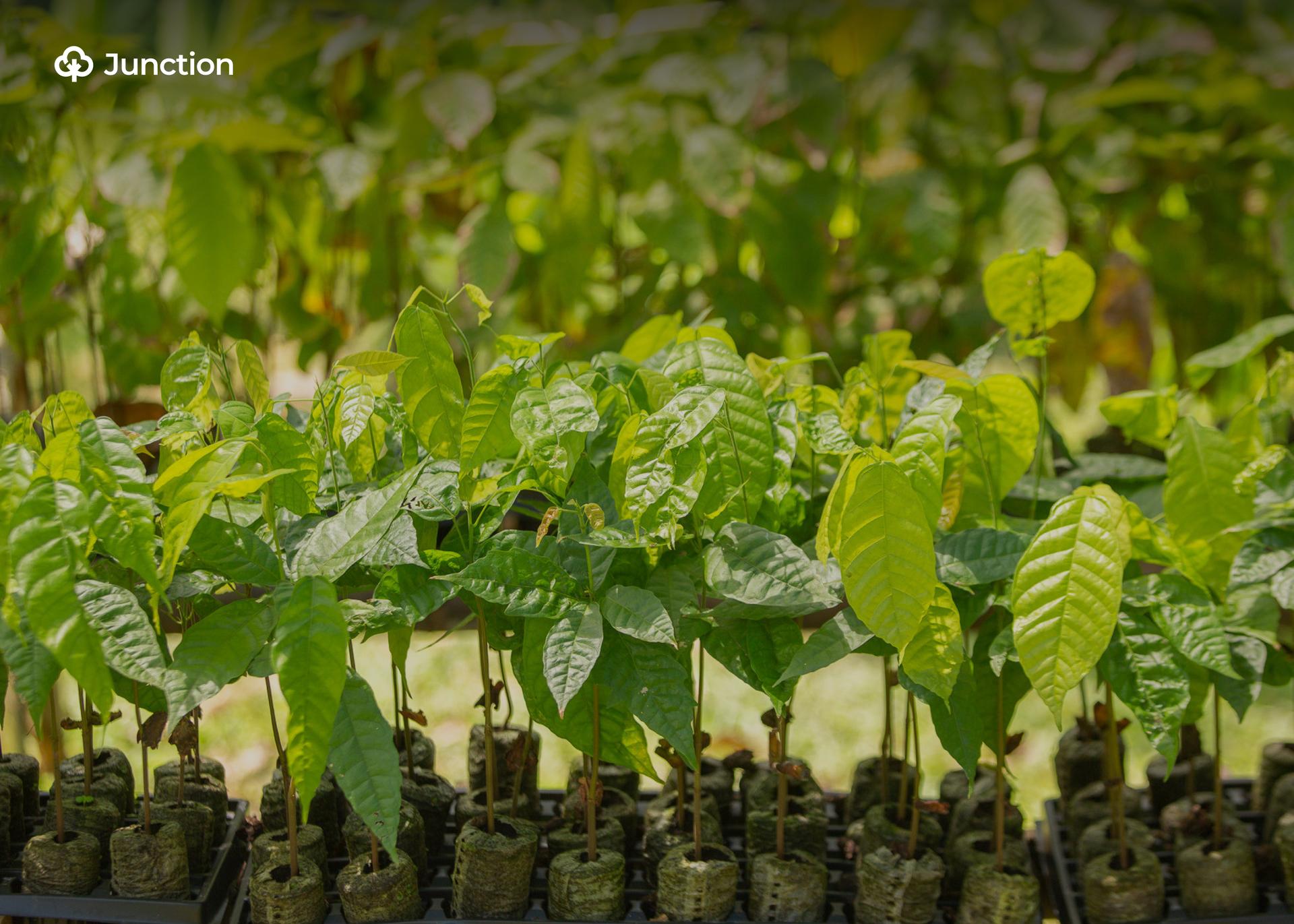
Ekiti State Government has announced a bold 10-year initiative to produce 10 million cocoa seedlings, aiming to revive the state's declining cocoa production and reclaim its historic position in Nigeria's cocoa value chain.
State Commissioner for Agriculture and Food Security, Ebenezer Boluwade, disclosed the plan during a simulcast radio programme, “Ekiti Loni/Ekiti Today,” at the weekend. The government targets one million high-yield seedlings annually to replace ageing plantations that have outlived their productive lifespan, addressing years of output decline.
This move comes amid Nigeria's ongoing push to bolster cocoa output, with the federal government recently approving a National Cocoa Management Board to regulate the sector and enhance exports. Ekiti, once a leading producer in the 1970s, seeks to capitalise on global cocoa price surges, reaching over ₦12 million per tonne in recent years, while tackling challenges like stagnant production around 280,000 metric tons nationally. Boluwade emphasised that improved, climate-resilient varieties from partners will mature in three years, offering farmers quicker returns and boosting sustainability.
Strategic Partnerships Drive Revival
The initiative hinges on collaborations with the TRACE Project, Cocoa Research Institute of Nigeria (CRIN), and International Institute of Tropical Agriculture (IITA), confirmed as active in Ekiti's agriculture ecosystem. The TRACE programme, backed by the US Department of Agriculture (USDA), trains private farmers in modern techniques, sustainable sourcing, quality fermentation, traceability, environmental protection, and ethical practices, barring cocoa from deforested areas or child labour.
In the pilot phase, 28 farmers establishing cocoa nurseries received irrigation pumps worth millions of naira to enable year-round seedling production. High-yield seedlings from CRIN and others will enhance productivity, while the state offers 50% subsidies on seedlings and agrochemicals to cut costs and spur participation, echoing a similar 2024 programme for cocoa, oil palm, and cashew. Distribution will decentralise across Ekiti, with farmers guided on access, supported by the Nigerian Meteorological Agency (NiMet) forecasts expecting full rainfall by mid-April.
Boosting Quality, Value Addition, and Jobs
Prioritising global competitiveness, the government trains farmers in traceability to meet export standards amid soaring international demand. Plans leverage the African Development Bank-supported Special Agro-Industrial Processing Zones (SAPZ) for value addition and job creation in processing. Boluwade expressed optimism: the drive will boost production, generate employment, and fortify Ekiti's economy.
This aligns with national trends where farmers revive old plantations amid 304% export surges in early 2024, though experts urge value addition for long-term gains. Ekiti's commitment builds on prior efforts, like the 2025/26 distribution of 500,000 improved seedlings via USDA TRACE support.

Noah Aderoju
Noah Aderoju is a multimedia journalist and researcher with a passion for telling stories.
Comments
More Articles Like This


