Latest news, analysis and data in the agriculture sector.
news
EU-Mercosur Deal Poses No Immediate Threat to Nigeria’s Agricultural Export Earnings
By Obinna Onwuasoanya | Jan 12, 2026 | 0 comments

News in Brief:
-The EU-Mercosur trade agreement, set to be signed on January 17, 2026, is not expected to pose an immediate threat to Nigeria’s cocoa exports, as Mercosur countries are not major cocoa producers.
-Nigeria could face future risks if stricter EU deforestation and child labour rules continue to disrupt West African agricultural shipments.
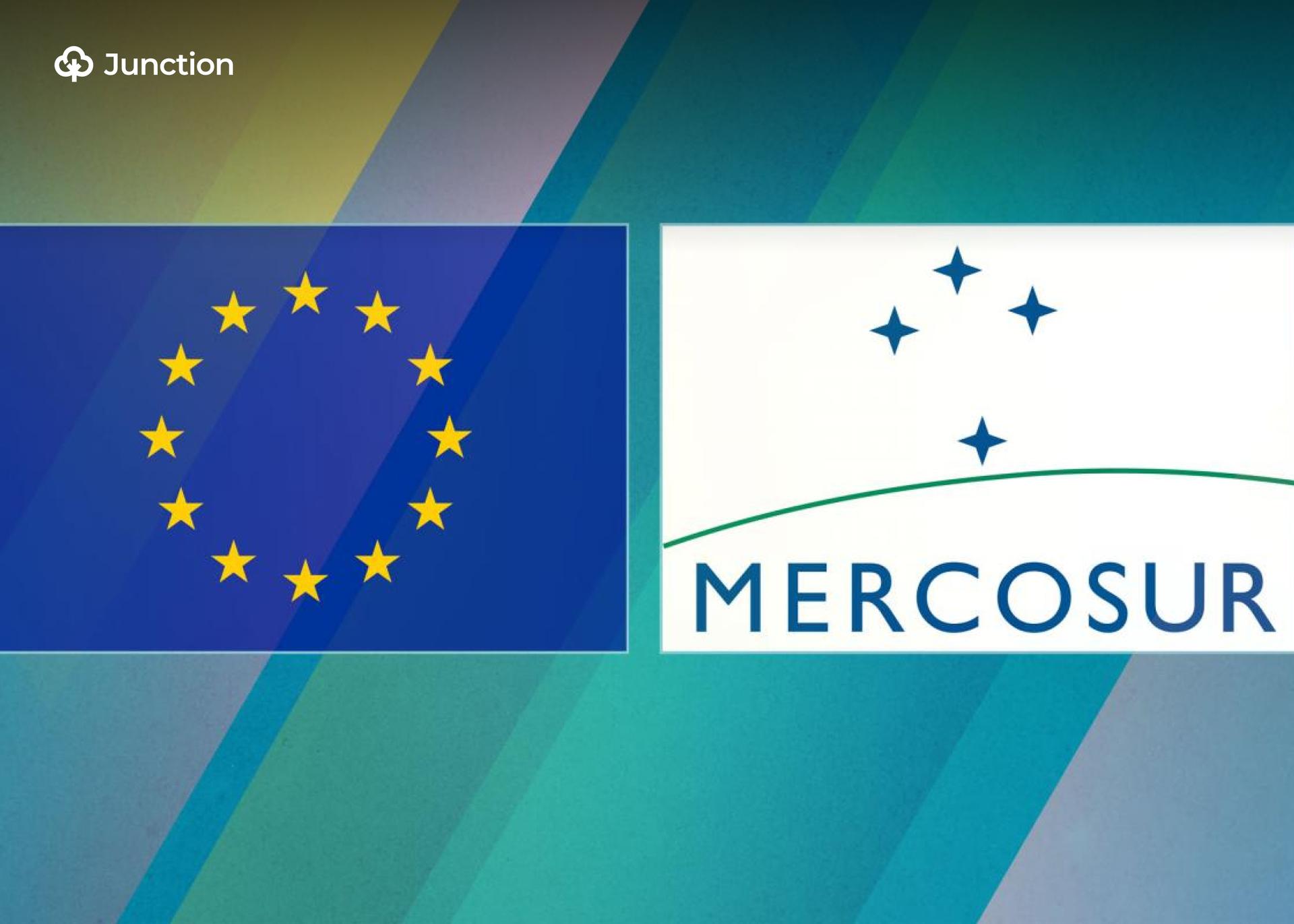
The European Union and the South American countries that make up Mercosur are set to sign a long-awaited trade agreement on January 17, 2026, following approval by a majority of EU member states. While the deal will reshape agricultural trade between Europe and South America, it is not expected to pose an immediate threat to Nigeria’s agricultural exports, particularly its cocoa industry, valued at over ₦2 trillion and largely destined for Belgium and the Netherlands.
The EU-Mercosur agreement will create the world’s largest free-trade area, covering about 700 million people. According to an official European Commission publication, the partnership is designed to significantly expand market access for European farmers and agri-food producers while shielding the EU’s agricultural sector from undue pressure. Mercosur countries—Brazil, Argentina, Uruguay, and Paraguay—are large and fast-growing markets that have historically maintained high trade barriers, which the agreement aims to dismantle in favour of EU exporters.
Limited Cocoa Competition, But Rising Compliance Risks
Beyond benefiting European producers, the deal will also improve access for Mercosur agricultural exports into the EU. Tariffs on products such as beef, poultry, sugar, ethanol, and honey will be reduced or eliminated within agreed quotas, offering South American farmers and agribusinesses improved market access, more stable demand, and incentives to scale up production in line with EU standards.
However, none of the Mercosur member countries is a major exporter of cocoa. Recent World Bank data show that Ecuador and Peru are the only South American countries ranked among the world’s top cocoa exporters, and both lie outside the Mercosur bloc. This limits direct competition with Nigeria’s cocoa exports in the short term.
Still, analysts warn that Nigeria and its West African neighbours could face growing risks if they fail to strengthen compliance and competitiveness. The EU’s tightening requirements on deforestation-free supply chains and child labour standards are already disrupting cocoa shipments from the region, raising concerns that regulatory hurdles, rather than direct competition, could threaten export earnings in the near future.

Obinna Onwuasoanya
Obinna Onwuasoanya is a Lagos-based tech reporter, editor, and SEO specialist with over seven years of professional writing experience. A versatile storyteller, he also works as a ghostwriter and fiction author, with his works featured in leading online and print publications. In 2018, he was shortlisted for the prestigious Writivism Short Story Prize.
Comments
More Articles Like This


