Latest news, analysis and data in the agriculture sector.
news
Farmer Rejects Nigeria’s Tractor Prices, Buys Direct from China
By Obinna Onwuasoanya | Sep 18, 2026 | 0 comments

News in Brief:
— A Nigerian farmer has questioned the high cost of tractors in Nigeria after comparing local prices with cheaper Chinese suppliers.
— The debate comes amid disagreements over Chinese businesses entering direct retail, raising wider concerns about competition and local businesses.
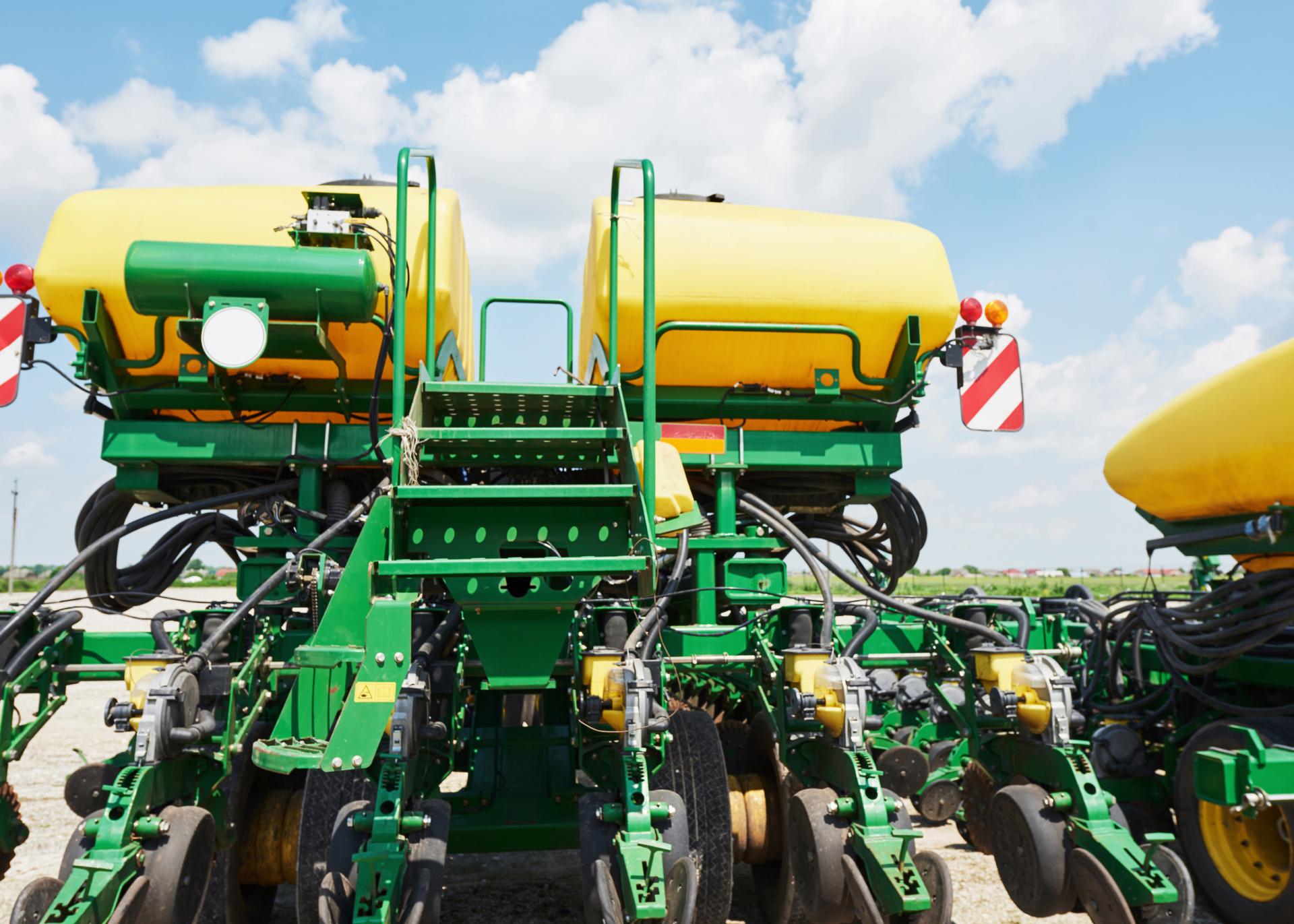
A Nigerian farmer, known simply as Ayomide Toheeb, has sparked debate over tractor prices after questioning the cost of locally sold agricultural machinery and considering dealing directly with a Chinese seller.
The farmer shared alleged screenshots and price comparisons on X after claiming a 40-horsepower (hp) tractor was offered to him for ₦19.5 million in Nigeria. He subsequently compared the local price with online quotations for similar tractors from Chinese suppliers, arguing that direct sourcing could offer substantially lower prices of ₦1.3 million.
Online research, however, showed basic 2WD mini tractors in China selling for about $2,500–$4,000, while 4WD compact tractors were listed at roughly $3,900–$5,500, excluding shipping and other import-related costs. At an exchange rate of about ₦1,331 to the dollar, the figures translate to approximately ₦3.3 million–₦7.3 million before logistics and other charges.
Social media users also challenged the comparison, noting that shipping cost, customs duties, clearing, taxes, dealer margins and after-sales support could significantly increase the final price of imported tractors. One respondent also disputed the farmer's quoted figure, saying a particular tractor cost over ₦7 million before shipping, as quoted earlier.
The farmer said he was following up on a direct purchase and would share an update once the tractor arrives in Nigeria.
Chinese Suppliers Face Growing Retail Backlash
The tractor debate comes amid a wider dispute over the increasing presence of Chinese manufacturers and wholesalers in Nigeria's retail markets.
On September 14, some traders at the Lagos International Trade Fair Complex protested against Chinese merchants operating directly in retail, arguing that the practice could threaten Nigerian businesses. The protest was later suspended after the traders' association, local government officials and the police intervened.
Some traders alleged that Chinese wholesalers were bypassing traditional Nigerian distributors and retailers by selling directly to consumers at lower prices. Critics of the practice say this could squeeze local businesses that rely on imported products for their livelihoods.
On the other hand, some say that Chinese businesses should be allowed to operate provided they comply with Nigerian laws and regulations. Some commentators have also urged local traders to consider partnerships, manufacturing and greater participation in the value chain rather than relying solely on protests.
Government Faces Balancing Act
The developments highlight a broader challenge for policymakers: balancing consumer access to cheaper goods and machinery with the interests of Nigerian businesses and traders.
For agriculture, direct access to more affordable tractors could lower mechanisation costs if import, logistics and maintenance expenses remain manageable. At the same time, the controversy underscores questions about pricing transparency, local distribution, after-sales services and the role of Nigerian dealers in agricultural machinery supply.
As Chinese suppliers expand their presence across Nigeria's economy, the discussion is shifting from whether they should participate in the market to regulation.

Obinna Onwuasoanya
Obinna Onwuasoanya is a Lagos-based tech reporter, editor, and SEO specialist with over seven years of professional writing experience. A versatile storyteller, he also works as a ghostwriter and fiction author, with his works featured in leading online and print publications. In 2018, he was shortlisted for the prestigious Writivism Short Story Prize.
Comments
More Articles Like This


