Latest news, analysis and data in the agriculture sector.
news
FG Inaugurates Technical Group to Boost Vaccination, Eradicate Cattle Disease
By Noah Aderoju | Apr 15, 2026 | 0 comments

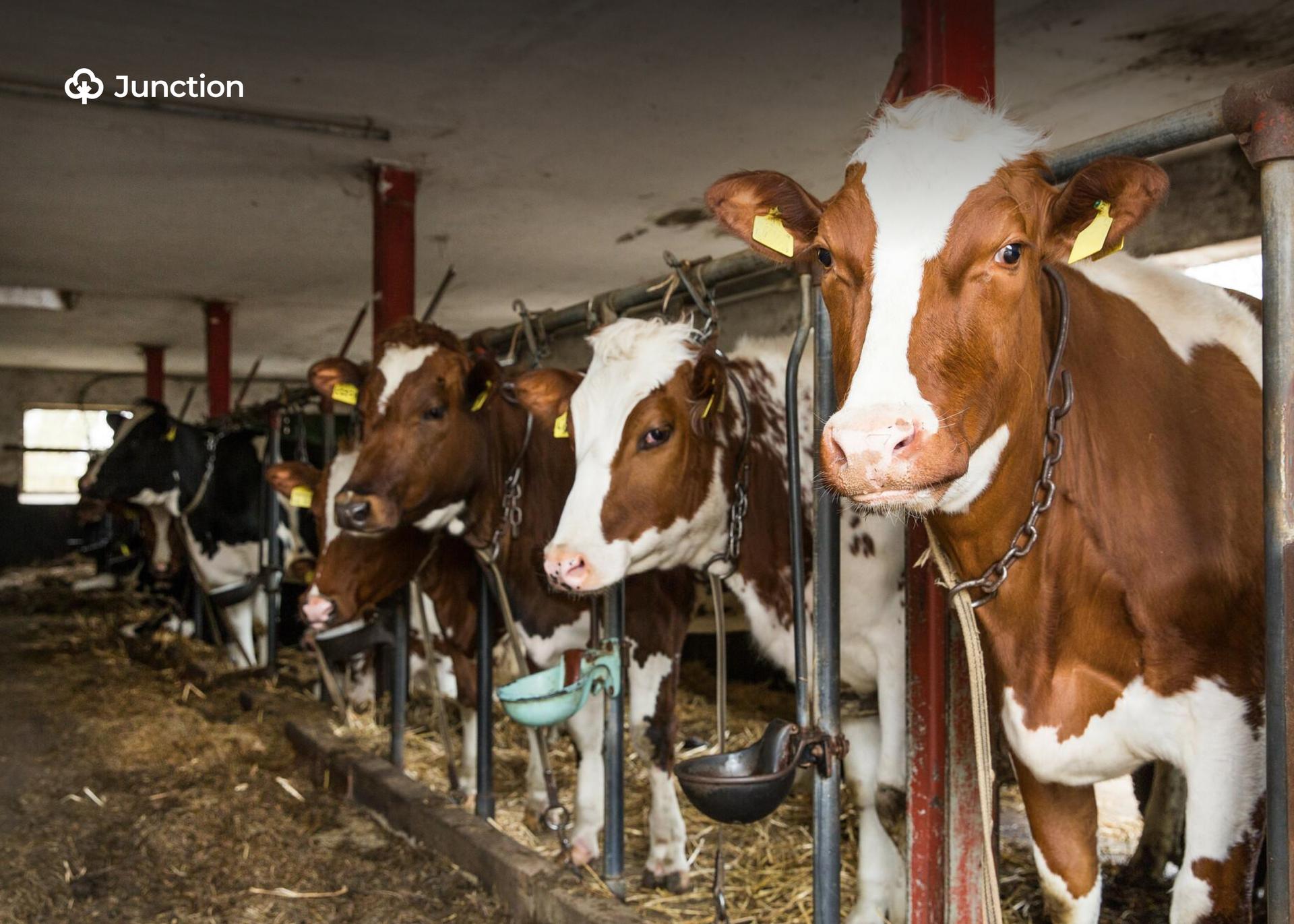
News in Brief:
-Nigeria has inaugurated a Technical Working Group to intensify nationwide vaccination to tackle the Contagious Bovine Pleuro-Pneumonia (CBPP) outbreak.
-This move comes as CBPP threatens herds with up to 50 per cent mortality, demanding federal-state-private sector collaboration.
The Federal Government has charged the Technical Working Group on Contagious Bovine Pleuro-Pneumonia (CBPP) to increase its nationwide vaccination efforts to achieve the total eradication of the disease across Nigeria.
The Minister of Livestock Development, Dr Idi Maiha, made the call during the inauguration of the Technical Working Group on CBPP in Abuja. He decried that CBPP, an often fatal bacterial disease, remained endemic in Nigeria and continued to challenge the country’s aspirations for a productive, resilient and globally competitive livestock sector.
This bacterial disease of cattle causes severe pneumonia, which is often fatal, and can lead to significant livestock production losses in affected regions globally. Its outbreaks result in considerable economic losses, threaten food security, safe trade, and present major challenges to cattle production in endemic countries across Africa.
Nigeria's Massive Cattle Herds at Risk
Maiha noted the significant responsibility of Nigeria to address this issue by referencing the population of cattle in Nigeria, which is estimated to be more than 50 million herds, one of the largest herds of cattle on the African continent.
“This places a significant responsibility on us to ensure that animal health risks are effectively managed,” he stated
“The epidemiological situation in 2025 clearly underscores the urgency of this task. At least some states have reported outbreaks of CBPP, with the disease now cutting across all geopolitical zones. A total of 131 outbreaks have been officially documented outside those that were reported,” he added. Independent reports confirm the figure, noting impacts in at least 17 states amid surveillance limitations. Every year, Nigeria's cattle industry loses billions of naira to this highly infectious respiratory disease, which spreads through inhalation of droplets from infected animals and boasts mortality rates up to 50 per cent. According to a 2024 situation report, the economic loss suffered due to CBPP in Nigeria is estimated at ₦19 billion ($12.3 million) annually.
Strategic Roadmap for Eradication
The minister reaffirmed the collective resolve of stakeholders to confront CBPP, describing it as one of the most persistent and economically damaging diseases affecting the national economy. The minister described the committee as a focused, high-level technical platform that would provide strategic direction for changing the trajectory of CBPP control in Nigeria.
“We make measurable progress in protecting our national herds, advancing the broader goals of national food security and economic development. The body is expected to guide development of a coherent national control framework, strengthen surveillance architecture, and improve effectiveness of vaccination programmes nationwide,” Maiha added
According to him, the group would also support modernisation of emergency response systems to ensure rapid containment of outbreaks in affected areas. Maiha, who identified the group as the country’s World Council on CBPP, added that members would develop a comprehensive national response strategy for sustainable disease control.
“There is a need to enhance engagement with livestock owners and other stakeholders, whose cooperation is essential for any control measure to succeed. Beyond looking at internal step projects, you must also look at a thorough country case study review. Botswana, Zimbabwe, and Namibia are World Organisation for Animal Health-certified CBPP-free. We must find out strategies or measures they adopted and learn lessons from those African countries and countries across the globe that have been able to control CBPP,” he emphasised.
“We need to recognise that sustainable progress will depend on stronger coordination across Federal and State structures, collaboration with the private sector, and deeper engagement with international partners. Government action alone will not be sufficient. The scale and complexity of CBPP require a shared commitment from all actors within the livestock sector,” he added.
This multi-stakeholder approach aligns with ongoing national strategies, including mass compulsory annual vaccinations targeting 90 per cent coverage and movement controls, as outlined in prior GF-TADs plans.

Noah Aderoju
Noah Aderoju is a multimedia journalist and researcher with a passion for telling stories.
Comments
More Articles Like This


