Latest news, analysis and data in the agriculture sector.
news
FG Reduces Import Tariffs on Palm Oil, Rice, Sugar and Other Food Items
By Noah Aderoju | Apr 15, 2026 | 0 comments

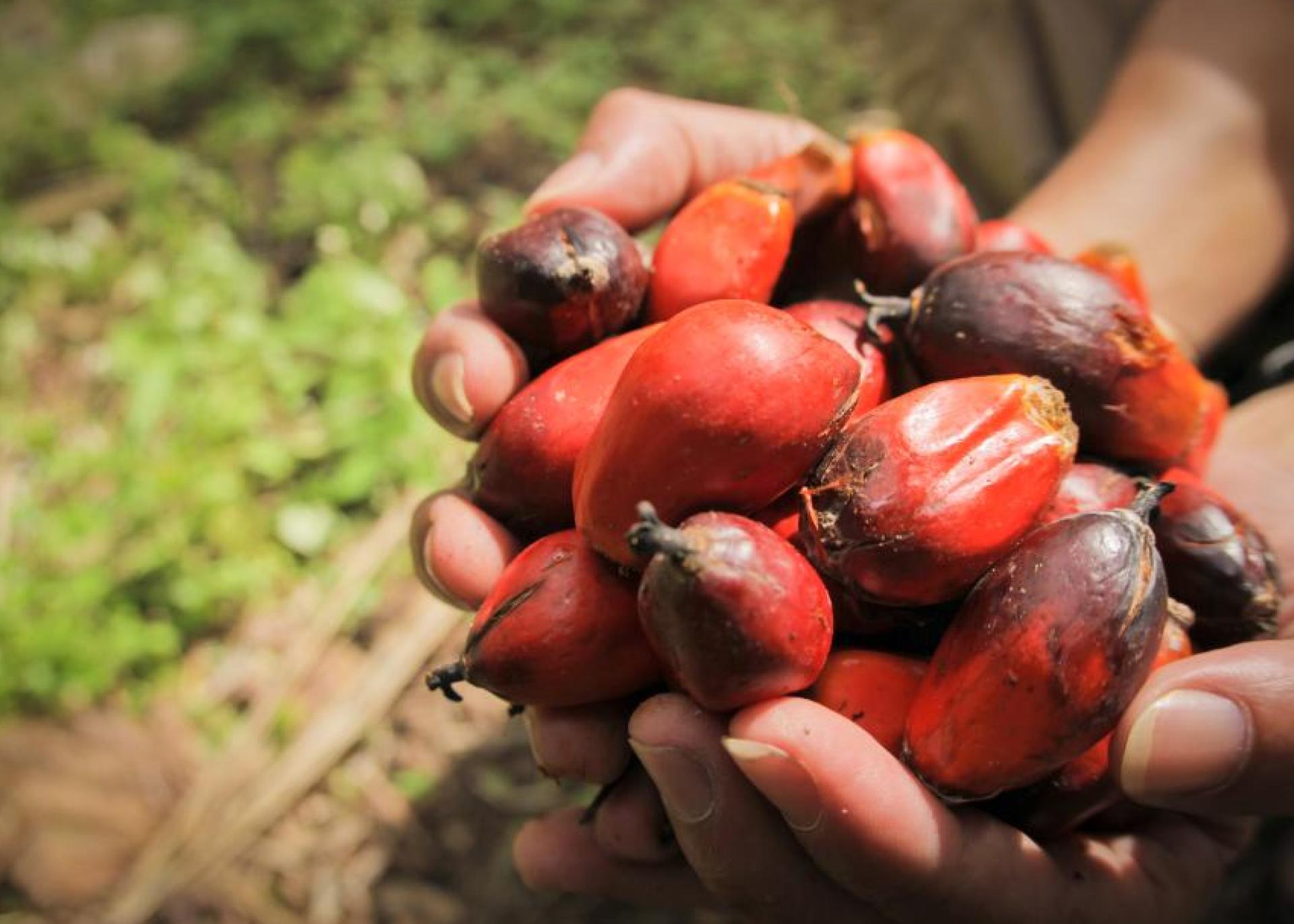
News In Brief -The Nigerian government has reduced import tariffs on crude palm oil, rice, sugar, and other staple foods to combat inflation and support food security.
-A 90-day grace period aids importers, with new taxes set for July 2026, aiming to align with ECOWAS tariffs while boosting agro-economic growth.
The Federal Government of Nigeria has reduced import tariffs on some staple foods and other items as part of the newly approved 2026 Fiscal Policy Measures (FPM). This policy lowers duties on essential imports like palm oil, bulk rice, broken rice, raw cane sugar, and refined salt, aiming to ease inflationary pressures and boost economic growth amid ongoing food security challenges
The announcement of the new fiscal policy direction was contained in a circular, dated April 1, 2026, and signed by Wale Edun, Minister of Finance and Coordinating Minister of the Economy. Nigeria's 2026 FPM effectively overrides the 2023 FPM, introducing reduced rates across 127 tariff lines to stimulate critical sectors which cut across the food, automobile and other industries.
Key Tariff Reductions on Staples
According to the document, the import adjustment tax (IAT) on items such as crude palm oil has been revised downward as part of a broader effort to align with the ECOWAS Common External Tariff framework. These changes target the affordability of key inputs for Nigeria's food processing and consumer markets, where palm oil and rice remain vital despite local production pushes.
The government also granted a 90-day grace period for importers who opened Form ‘M’ before 1 April to clear goods at the old rates, while signalling new excise duties and a green tax surcharge effective from 1 July 2026.
Implications for Agriculture and Economy
The tariff cuts come as Nigeria grapples with a palm oil deficit and an increasing effort to improve production rate and achieve palm oil self-sufficiency. Nigeria currently consumes over 3 million metric tonnes annually, but produces far less, at about 1.5 million metric tonnes, causing a significant supply gap.
However, recent commitment by the government and the stakeholders to a National Oil Palm Development Strategy has promised improved supply in a short time, targeting 10 million metric tonnes annual production by 2050.

Noah Aderoju
Noah Aderoju is a multimedia journalist and researcher with a passion for telling stories.
Comments
More Articles Like This


