Latest news, analysis and data in the agriculture sector.
farming
Five Practical Reasons Nigerian Farmers Should Grow Hybrid Maize Seeds
By Obinna Onwuasoanya | Mar 18, 2026 | 0 comments

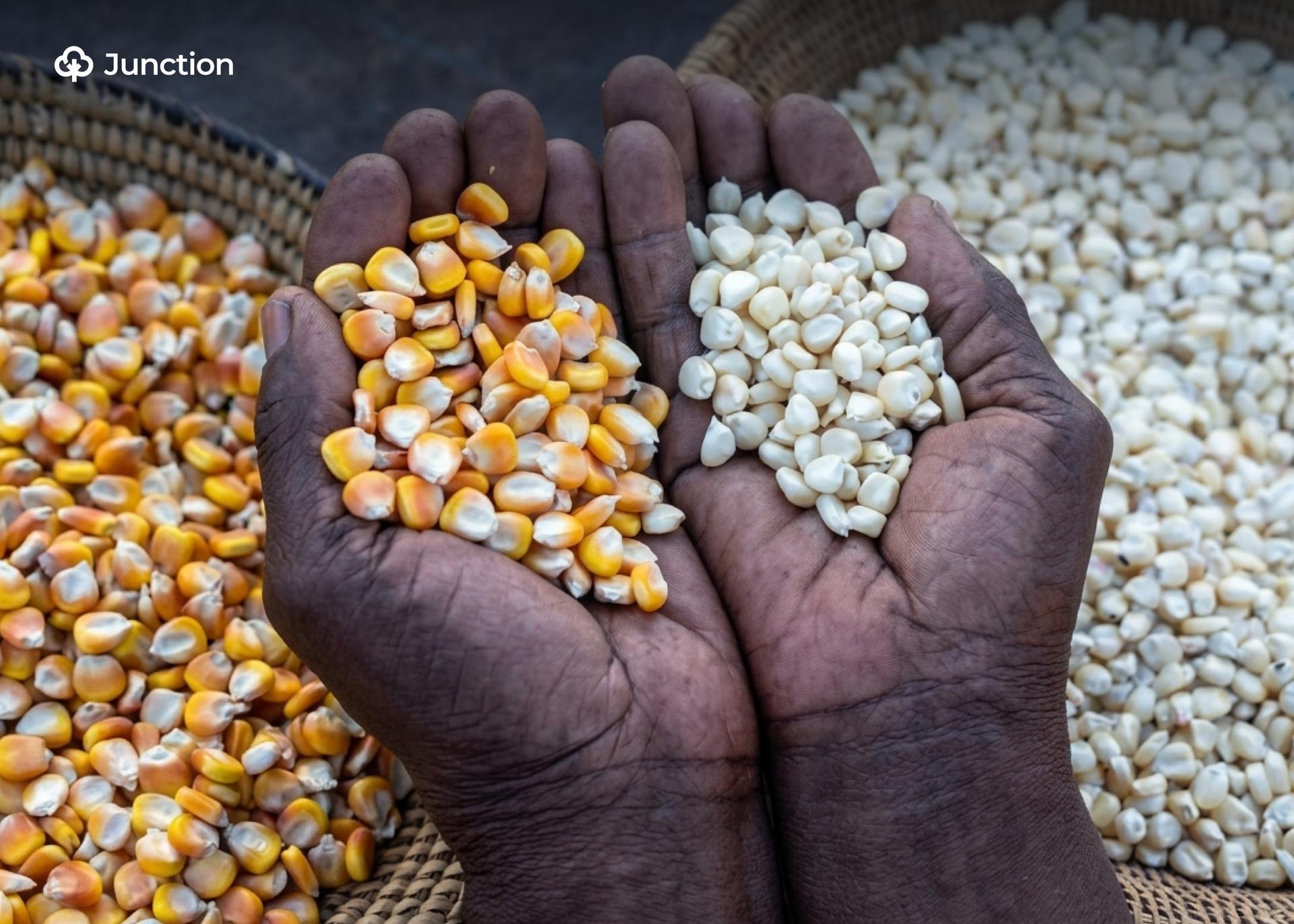
As climate change, rising input costs, and food demand continue to shape agriculture in Nigeria, maize farmers are under increasing pressure to produce more with fewer resources. One of the most effective ways to improve productivity and reduce risk is by adopting hybrid maize seeds—especially drought-tolerant varieties developed through initiatives like the International Institute of Tropical Agriculture (IITA).
Programmes such as Drought Tolerant Maize for Africa (DTMA) and Water Efficient Maize for Africa (WEMA) have introduced improved, non-GMO hybrid maize seeds tailored for African farming conditions. Here are five practical reasons why Nigerian farmers should consider growing them.
1. Higher Yields, Even in Difficult Conditions
One of the biggest advantages of hybrid maize seeds is their ability to produce significantly higher yields compared to traditional varieties. These seeds can increase productivity by 20–30%, even under drought conditions.
For farmers in northern Nigeria and other semi-arid regions, this is a game-changer. Instead of experiencing total crop failure during dry spells, farmers can still harvest reasonable yields. Varieties like Sammaz 22, Sammaz 23, and Oba Super 7 have been specifically bred to maintain stable performance in unpredictable weather.
Higher yields translate directly into increased income, making hybrid seeds a smart investment despite their slightly higher upfront cost.
2. Strong Drought Tolerance and Climate Resilience
Rainfall patterns in Nigeria are becoming more erratic, with longer dry spells and shorter rainy seasons. Hybrid maize varieties developed under DTMA and WEMA are designed to withstand low moisture conditions and perform well in water-scarce environments.
These seeds are bred to tolerate soil moisture stress, allowing crops to survive periods without rain. For farmers without access to irrigation, this resilience is critical.
By planting drought-tolerant hybrids, farmers can reduce their dependence on unpredictable rainfall and improve food security for their households and communities.
3. Better Resistance to Pests and Reduced Input Costs
Hybrid maize seeds under WEMA also offer improved resistance to common pests such as stem borers, which are a major cause of yield losses in Nigeria.
This built-in resistance means farmers can reduce their reliance on pesticides, lowering production costs and minimising environmental impact. In addition, healthier crops require less intervention, saving both time and labour.
For smallholder farmers, this is especially important, as input costs continue to rise alongside inflation and fuel prices.
4. Efficient Use of Water and Inputs
Water-efficient hybrid maize varieties are specifically designed to make better use of available moisture. This means farmers can achieve good yields even with limited rainfall or minimal irrigation.
In practical terms, this efficiency extends beyond water. Hybrid seeds respond better to improved farming practices such as proper fertiliser application, intercropping, and timely weeding.
When combined with good agronomic practices, these seeds help farmers maximise returns per hectare. This is particularly valuable in areas where land is limited or soil fertility is declining.
5. Easy Access to Improved Seed Varieties in Nigeria
Another major advantage is that these hybrid seeds are now widely available across Nigeria. Farmers can access DTMA and WEMA varieties through seed companies, agro-dealers, and online platforms.
Popular distributors include Maslaha Seeds, Premier Seeds, Savannah Seeds, and other partners linked to the International Institute of Tropical Agriculture. Farmers can also purchase seeds through agro-input shops or platforms.
Common varieties to look out for include Sammaz 24, Sammaz 25, Sammaz 52Tela, Sammaz 74, and Oba Super 9. These seeds are typically sold in 2kg, 5kg, and 50kg bags, making them accessible for both smallholder and commercial farmers.
To get the best results, farmers are advised to:
Ask specifically for drought-tolerant or “Sammaz” varieties
Buy from certified dealers to avoid fake seeds
Consult local Agricultural Development Programmes (ADPs) for guidance.
Conclusion
Hybrid maize seeds offer Nigerian farmers a practical pathway to higher productivity, improved resilience, and better profitability. In a time when climate change and rising costs are reshaping agriculture, adopting improved seed varieties is no longer optional; it is essential.
By leveraging innovations from programmes such as these, farmers can secure more stable harvests, reduce risks, and contribute to national food security.
For maize farmers looking to scale up production or protect their yields, hybrid seeds are one of the smartest investments for the future of farming in Nigeria.

Obinna Onwuasoanya
Obinna Onwuasoanya is a Lagos-based tech reporter, editor, and SEO specialist with over seven years of professional writing experience. A versatile storyteller, he also works as a ghostwriter and fiction author, with his works featured in leading online and print publications. In 2018, he was shortlisted for the prestigious Writivism Short Story Prize.
Comments
More Articles Like This


