Latest news, analysis and data in the agriculture sector.
farming
Five Ways Poultry Farmers Can Prevent Antimicrobial Resistance
By Obinna Onwuasoanya | Oct 24, 2025 | 0 comments

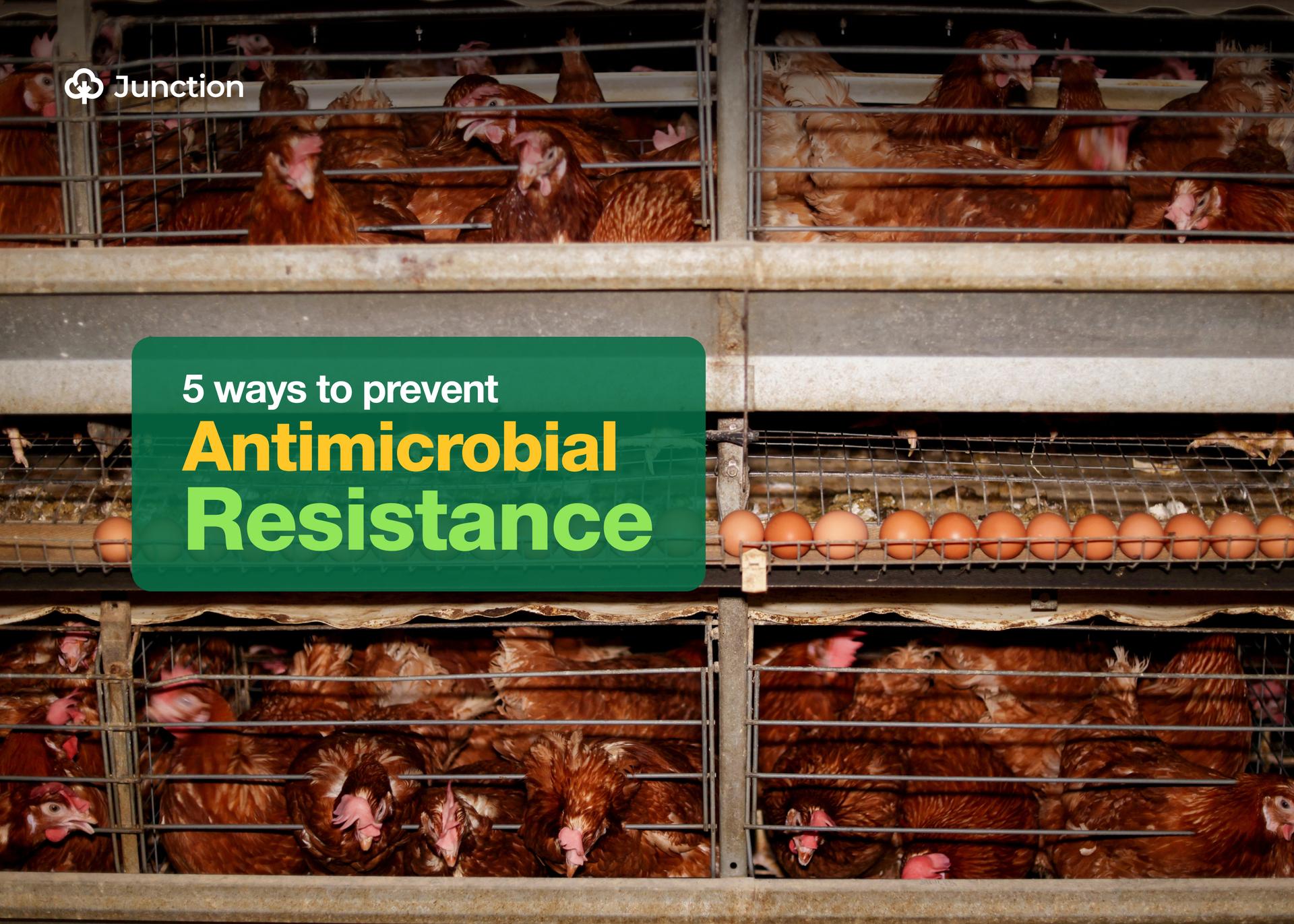
Antibiotics have long been a lifeline in livestock farming, helping poultry farmers treat bacterial infections and reduce bird mortality. However, growing evidence suggests that many Nigerian poultry farmers are unintentionally contributing to a serious health crisis: the rise of antimicrobial resistance (AMR).
Across the country, antibiotics are often used in poultry farms, sometimes indiscriminately, mostly to treat sick birds and also boost growth and prevent infections in poultries before they occur. Research has found that in developing countries like Nigeria, antibiotic residues, which are traces of these drugs, can remain in chickens and even in the eggs they lay. This is the leading cause of antimicrobial resistance (AMR) in livestock like poultry birds.
This puts humans who consume these protein sources at varying levels of risk. The antibiotic residues in meat and eggs can be a food safety issue due to their toxicity and allergy concerns. The primary AMR risk is the ingestion of these drug-defying microbes because when humans consume poultry products contaminated with resistant bacteria, these bacteria can transfer to the human gut, making subsequent infections difficult to treat.
The World Health Organisation (WHO) warns that AMR could cause up to 10 million deaths globally each year by 2050 if urgent action is not taken. Nigeria, where poultry production is one of the fastest-growing agricultural sectors, is not exempt from this looming threat. For farmers, consumers, and the nation’s public health system, this is a wake-up call.
Below are five practical ways poultry farmers can help prevent antimicrobial resistance in Nigeria while maintaining their flocks' health and keeping their farms profitable.
1— Use Antibiotics Responsibly and Only When Prescribed
Many farmers purchase antibiotics over the counter without veterinary supervision, using them for growth promotion or preventive purposes. This practice contributes significantly to AMR. Farmers must understand that antibiotics are not supplements; they are medicines designed to treat specific infections.
Before administering any drug, farmers should consult a qualified veterinarian for a proper diagnosis and prescription. This ensures that the right antibiotic, at the right dosage, is used for the right duration. Responsible use prevents drug-resistant bacteria from spreading within poultry flocks.
2— Observe Withdrawal Periods Before Selling Eggs or Chicken
When antibiotics are given to chickens, small residues of the drugs remain in their tissues and eggs. The withdrawal period (a specified number of days after treatment) allows time for these residues to leave the animal’s system.
Unfortunately, many farmers in Nigeria ignore this rule in a bid to meet market demand. The result is that drug residues end up in the food supply chain to be consumed by humans.
To stay safe and maintain credibility, farmers should strictly follow the withdrawal periods stated on drug labels or advised by their vets. This practice protects consumers and can even open access to premium markets where food safety standards are enforced.
3— Improve Farm Hygiene and Biosecurity
One of the most effective ways to reduce dependence on antibiotics is to prevent diseases from occurring in the first place. Simple, consistent hygiene practices like regular cleaning of poultry houses, disinfecting equipment, controlling rodents, and limiting visitors can drastically reduce infection risks.
Maintaining good biosecurity (measures that prevent disease from entering or spreading on a farm) saves money in the long run. According to the Food and Agriculture Organisation (FAO), farms that implement strong biosecurity measures can cut antibiotic use by up to 30%.
4— Adopt Vaccination and Natural Health Alternatives
Vaccines help birds build immunity against common infections, reducing the need for antibiotics. Nigerian farmers should work closely with animal health experts to develop a vaccination calendar suitable for their flock size and location.
Additionally, farmers can explore probiotics, herbal feed additives, and organic acids, natural alternatives that promote gut health and improve growth without relying on antibiotics. These options are increasingly affordable and effective, particularly for small and medium-scale poultry operations.
5— Engage in Farmer Education and Record Keeping
The lack of awareness among farmers remains one of the biggest barriers to combating AMR. Training sessions, cooperative meetings, and extension services provide valuable opportunities for learning proper drug use, vaccination schedules, and hygiene practices.
Farmers should also keep detailed records of every antibiotic administered, the date, type, and dosage. This practice not only supports traceability but also helps vets monitor potential resistance patterns and recommend alternatives when necessary.
When farmers document their practices, they contribute to a national effort that keeps the poultry sector safe, profitable, and sustainable.
A Shared Responsibility for a Safer Food System
Preventing antimicrobial resistance is not just the government’s job; it is a collective responsibility that involves even poultry farmers. As Nigeria continues to push for food security and agricultural transformation, farmers must see antibiotic stewardship as both a moral and economic duty.
By using antibiotics responsibly, maintaining hygiene, and investing in knowledge, farmers protect not just their birds but also the millions of Nigerians who depend on poultry as a major source of protein.

Obinna Onwuasoanya
Obinna Onwuasoanya is a Lagos-based tech reporter, editor, and SEO specialist with over seven years of professional writing experience. A versatile storyteller, he also works as a ghostwriter and fiction author, with his works featured in leading online and print publications. In 2018, he was shortlisted for the prestigious Writivism Short Story Prize.
Comments
More Articles Like This


