Latest news, analysis and data in the agriculture sector.
news
Foreign Investments in Nigeria’s Agriculture Remain Low
By Obinna Onwuasoanya | Feb 16, 2026 | 0 comments

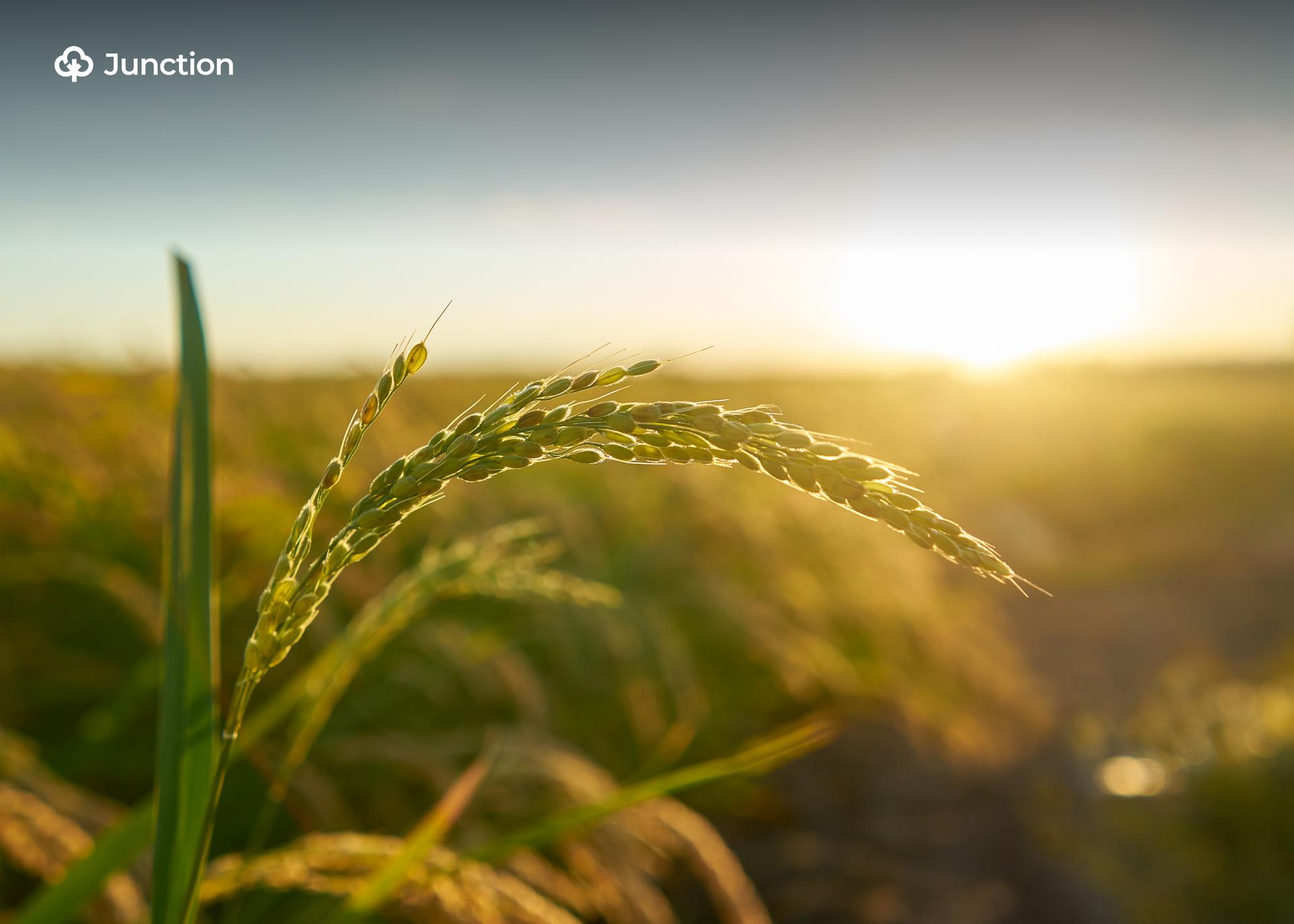
News in Brief:
-Nigeria’s agriculture sector attracted just 0.4% of total foreign capital in Q3 2025, remaining below 1% despite broader growth in capital importation.
-Although the Tinubu administration has introduced reforms, sectors like banking and finance continue to dominate foreign inflows while agriculture lags.
Nigeria’s agriculture sector attracted just 0.4% ($24.67 million) of the country’s total foreign capital in the third quarter of 2025, according to the National Bureau of Statistics (NBS).
The figure marks a decline from the preceding quarter and reinforces concerns that the sector remains largely unattractive to foreign investors.
On average, agriculture accounted for about 0.71% of total capital importation in 2025. Although this represents a slight improvement from its 0.54% share in 2023, it remains marginal and significantly below the levels required to transform the sector at scale.
A Look Back: Gains and Trade-Offs Under Buhari
During the administration of former President Muhammadu Buhari, foreign capital inflows into the agricultural sector showed some improvement. From capturing less than 0.5% of total foreign investments, the sector gained renewed attention through protectionist trade policies and a strong push for local production.
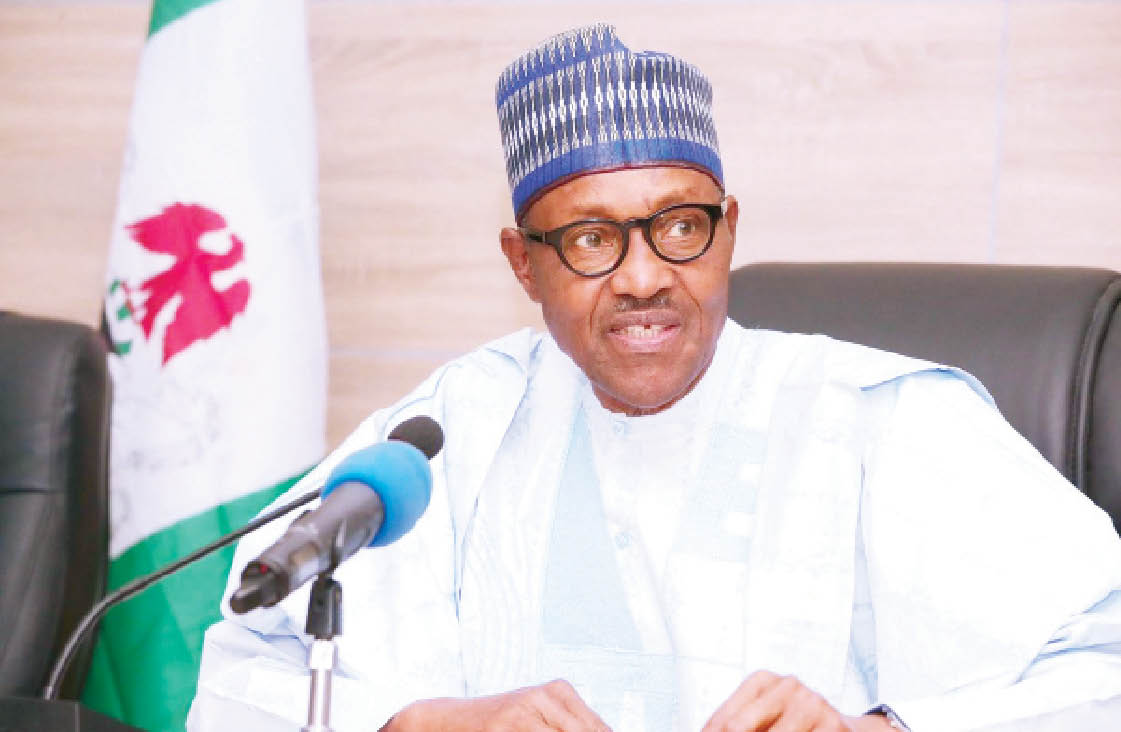
Rice production, for instance, reportedly rose to an average of 9.6 million metric tons five years into Buhari’s tenure, compared to an average of 5.2 million tonnes in the preceding five years. Millions of farmers also benefited from interventions such as the Anchor Borrowers’ Programme.
However, the strategy had mixed outcomes. Restrictions on rice imports contributed to supply shortages, driving up food prices and worsening affordability for many Nigerians.
Tinubu’s Reform Drive and Investment Push
Under President Bola Ahmed Tinubu, the focus has shifted toward broader economic reforms and aggressive foreign investment drives. Key reforms include foreign exchange market adjustments aimed at restoring investor confidence, alongside international diplomacy efforts that reportedly yielded over $50 billion in proposed investments from 30 foreign trips as of December 2024.
Agriculture-specific initiatives include a proposed $1 billion partnership with Brazil to provide mechanised farming equipment, establish service centres, and train youths in modern agricultural practices. The President also approved a ₦1.5 trillion recapitalisation of the Bank of Agriculture to improve credit access, particularly for women and young farmers.
In addition, 2,000 tractors have been acquired (but not deployed yet) to support mechanisation, while Nigeria continues collaboration with the Food and Agriculture Organisation (FAO) of the United Nations to promote agricultural investment.
Policy Reforms and the Investment Reality
Several structural reforms are underway. The government is expanding Special Agro-Industrial Processing Zones (SAPZs) in states such as Kano, Ogun, Kaduna and Calabar to boost value addition. Livestock reforms aimed at promoting ranching and scaling dairy production are also in progress, alongside new private-sector incentives targeting $100 billion in annual agribusiness investments.`
Through the Renewed Hope Infrastructure Development Fund, the administration is supporting irrigation, storage and cold chain projects. NIRSAL Plc has guaranteed over ₦100 billion in agricultural loans in 2025 and is training value chain actors to participate in a $2.5 billion livestock investment deal involving JBS.
Vice President Kashim Shettima has emphasised land registration reforms, expanded irrigation and mechanisation as central to boosting productivity. He noted that Nigeria has the potential to irrigate over three million hectares but currently utilises less than 10%, arguing that strategic irrigation investments could triple yields and strengthen resilience to climate shocks.
Despite these reforms and ambitious targets under the National Development Plan (2021–2025), agriculture continues to attract less than 1% of capital inflows. In the first nine months of 2025 alone, Nigeria’s total capital importation rose by $4.45 billion, yet sectors such as banking and finance captured nearly 80% of these investments.
For now, agriculture remains on the margins of foreign capital flows, a critical paradox for a country seeking food security, rural job creation, and long-term economic diversification.

Obinna Onwuasoanya
Obinna Onwuasoanya is a Lagos-based tech reporter, editor, and SEO specialist with over seven years of professional writing experience. A versatile storyteller, he also works as a ghostwriter and fiction author, with his works featured in leading online and print publications. In 2018, he was shortlisted for the prestigious Writivism Short Story Prize.
Comments
More Articles Like This


