Latest news, analysis and data in the agriculture sector.
news
Hazardous Child Labour Exposed In Brazil's Acai Berry Harvesting
By Obinna Onwuasoanya | Apr 01, 2024 | 0 comments

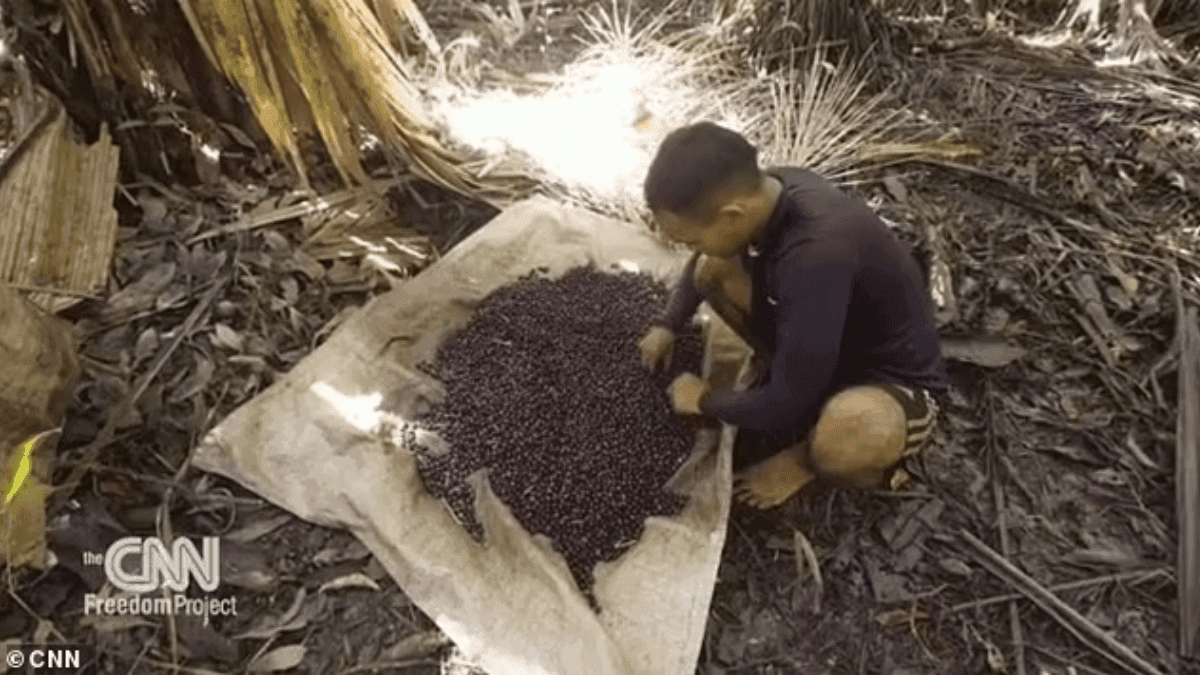
News In Brief:- A new documentary exposes hazardous child labour in Brazil's acai berry industry, where young boys risk their lives climbing 70-foot trees for meager wages. - Despite global demand and lucrative profits, local farmers receive only a fraction of the earnings, prompting calls for ethical sourcing and accountability in the industry. In a gripping documentary commissioned by the CNN Freedom Project, the harsh reality of child labour in the Brazilian Amazon's acai berry industry is vividly portrayed. Young boys, some as young as 13, embark on perilous journeys each day to harvest these small, black-purple fruits that fetch high prices in Western markets. Traversing through dense jungles before dawn, these children ascend 70-foot tall palm trees to collect acai berries. Despite the treacherous conditions and the risk of fatal falls, they earn a meager $6 to $16 per day, according to research by Dr. Monique Vanni. This exploitative labour practice persists due to the inability of these towering palms to support adult weight, necessitating the recruitment of youngsters.
Global demand, local exploitation
For local farmers like Lucas Oliveira, aged 13, acai picking becomes a means of supplementing family income, often at the expense of education. Lucas, from a small village near Macapá, uses his earnings to buy school supplies, echoing a tradition spanning generations.
[caption id="attachment_8386" align="aligncenter" width="1200"]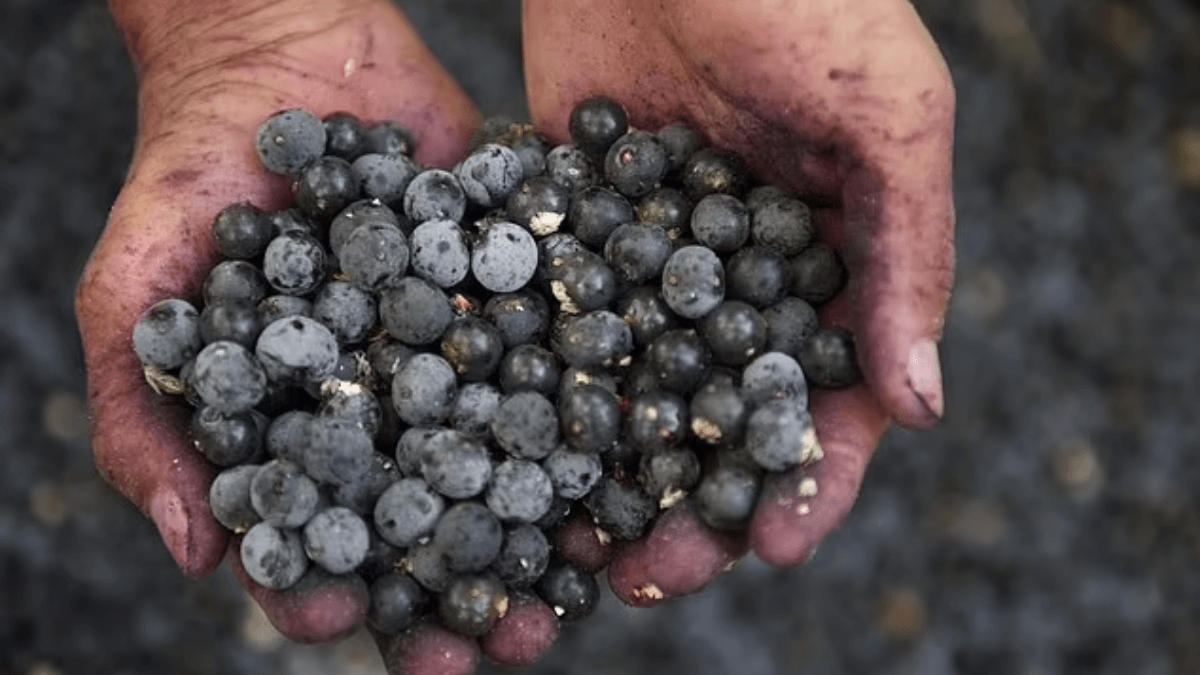 Acai berry fruits.[/caption]
While acai's popularity surges in the West, with outlets in cities like New York selling bowls for over $10, the human cost remains hidden. More than 8,000 tons of acai berries were exported from Brazil in 2022, worth millions of dollars, yet the labourers receive only a fraction of these profits.
Organisations like the Corporate Accountability Lab (CAL) are taking action against companies accused of turning a blind eye to human rights abuses in their supply chains. CAL's recent lawsuit against Sambazon highlights the urgent need for transparency and ethical sourcing practices in the acai industry.
As consumers become more aware of the ethical implications behind their purchases, pressure mounts on companies to prioritise human rights over profit margins. Sustainable sourcing practices and community empowerment initiatives offer hope for a future where the acai industry benefits local farmers rather than exploits them.

Obinna Onwuasoanya
Obinna Onwuasoanya is a Lagos-based tech reporter, editor, and SEO specialist with over seven years of professional writing experience. A versatile storyteller, he also works as a ghostwriter and fiction author, with his works featured in leading online and print publications. In 2018, he was shortlisted for the prestigious Writivism Short Story Prize.
Comments
More Articles Like This


