Latest news, analysis and data in the agriculture sector.
news
How Africa Can Unlock $17bn, Create 3 Million Jobs in Fish Sector —WEF
By Noah Aderoju | Feb 10, 2026 | 0 comments

News in Brief
-A new report declares that strategic investments could double Africa's blue foods output, unlocking $17 billion in GDP and 3.3 million jobs while closing the 25% protein gap.
-The report highlighted five innovation hotspots to ignite productivity, sustainability, and value across the blue foods chain in the continent.
A new report from the World Economic Forum (WEF), in partnership with Boston Consulting Group (BCG), has highlighted Africa's untapped blue economy sector as a powerhouse for economic transformation.
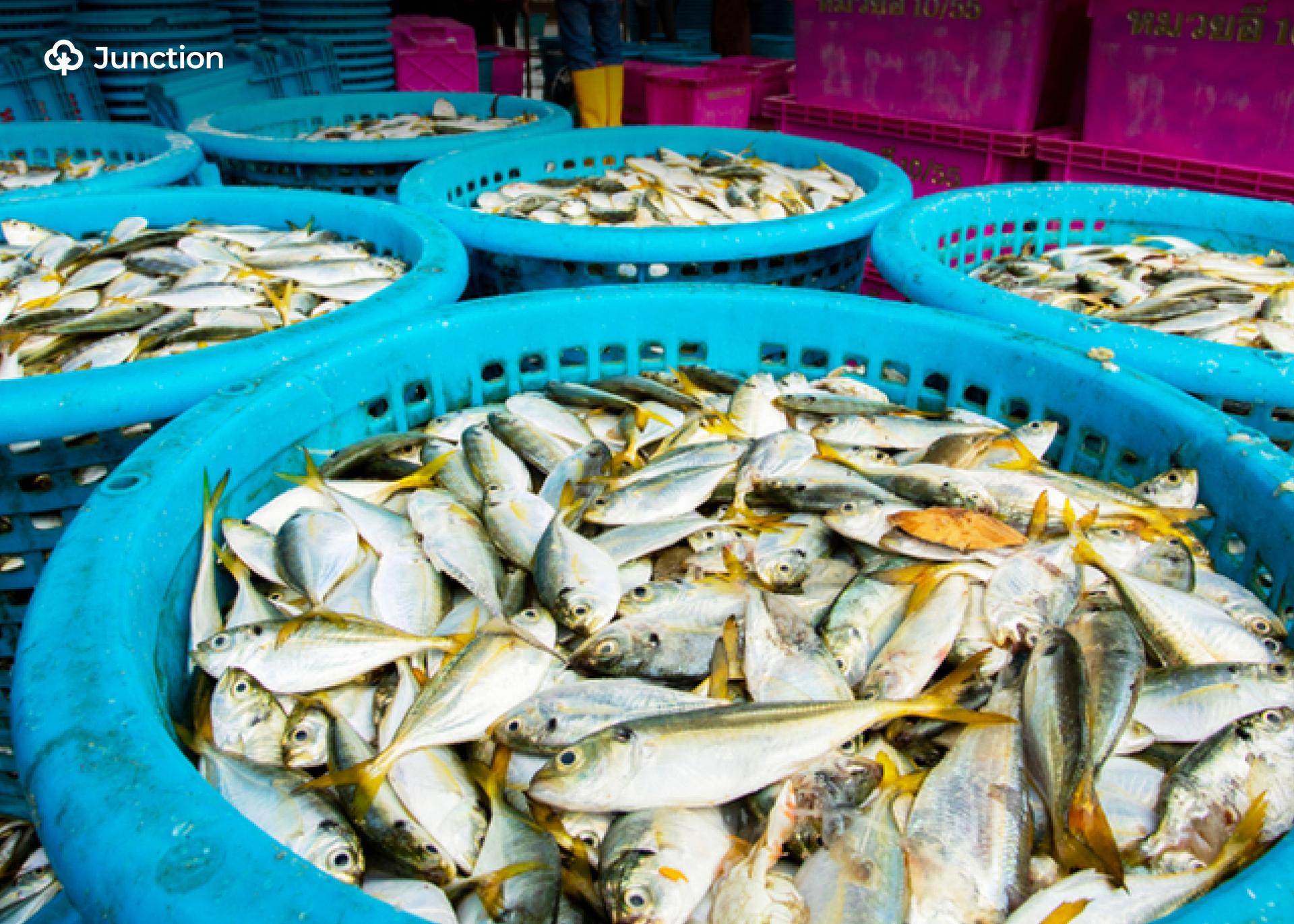
The report titled Investing in Blue Foods: Innovation and Partnerships for Impact, published in January 2026, projects that doubling the production of fish, shellfish, crustaceans, and aquatic plants could add $17 billion to the continent's GDP, create up to 3.3 million jobs, and slash the per capita protein gap by 25%.
Africa's Blue Food Industry
Africa already produces 13.1 million tonnes of blue foods annually, supplying 18% of animal protein at lower costs than meat or poultry. Yet, the sector still struggles with many hurdles. For example, nearly one-third of harvests are lost. Feed costs eat 70-80% of expenses (versus 60% globally), and devastating disease outbreaks are also key issues.
According to the report, without bold moves, Africa could become the only continent where per capita blue food consumption drops by 2032, as population surges outpace supply growth.
The Managing Director and partner at BCG and head of BCG West Africa, Tolu Oyekan, noted in the report that the resources exist, but systems must be built to harness them.
“Africa has the resources, talent and demand to build a world-class blue foods sector, but fragmented value chains and underinvestment continue to constrain growth,” he stated.
The report outlines a practical, investible roadmap to unlock productivity, scale and competitiveness through innovation and coordinated action across public and private sectors.
Innovation Roadmap for Five Key Areas
The report pinpoints five innovation hotspots to ignite productivity, sustainability, and value across the blue foods chain. They spotlight homegrown African solutions that empower smallholders, women processors, and rural youth.
Inputs: By replacing expensive imported feed with local alternatives, such as black soldier fly larvae and methane-fermented proteins, the industry can reduce costs and dependence on imports.
Production: AI tools for real-time fish monitoring and precision feeding cut waste and increase survival rates for smallholder farmers.
Processing: Uganda's affordable solar dryers and AI grading in Morocco and Nigeria extend shelf life and quality, helping women-led operations to scale faster.
Supply Chain: Nigeria's ColdHubs solar-powered cold rooms slash spoilage, while East Africa's digital control towers link smallholders to premium markets.
Circularity and Waste: Ghana's insect-based waste conversion and West Africa's smart gear recovery turn trash into treasure, curbing pollution.
The report noted that these fixes aren't abstract but solutions that are ready to scale. And with lessons from Indonesia, China, and New Zealand, it shows that large-scale transformation is possible with the right alignment of policy, finance and innovation ecosystems.
The report further highlighted how the WEF's Food Innovation Hubs, including Ghana's new Blue Food Innovation Hub, are rallying governments, private players, academia, and communities to derisk investments and pull in long-term capital.
Policy and Partnership Push Needed
Success demands regulators, financiers, and developers syncing up on derisking tools to lure patient capital.
“To realise the full potential of Africa’s blue food economy, we must treat it as core infrastructure, not a niche,” Oyekan stressed. “This means embedding blue foods into national food strategies, investing in cold chains and rural logistics, and partnering with the private sector to scale what works.”

Noah Aderoju
Noah Aderoju is a multimedia journalist and researcher with a passion for telling stories.
Comments
More Articles Like This


