Latest news, analysis and data in the agriculture sector.
news
How Nigeria Broke 12-Year Tomato Scarcity Jinx
By Chinwendu Ohabughiro | Jan 15, 2026 | 1 comment

News in brief:
-Nigeria breaks 12-year cycle of tomato scarcity and extreme price volatility.
-Stable production attributed to coordinated efforts to address pests and post-harvest losses.
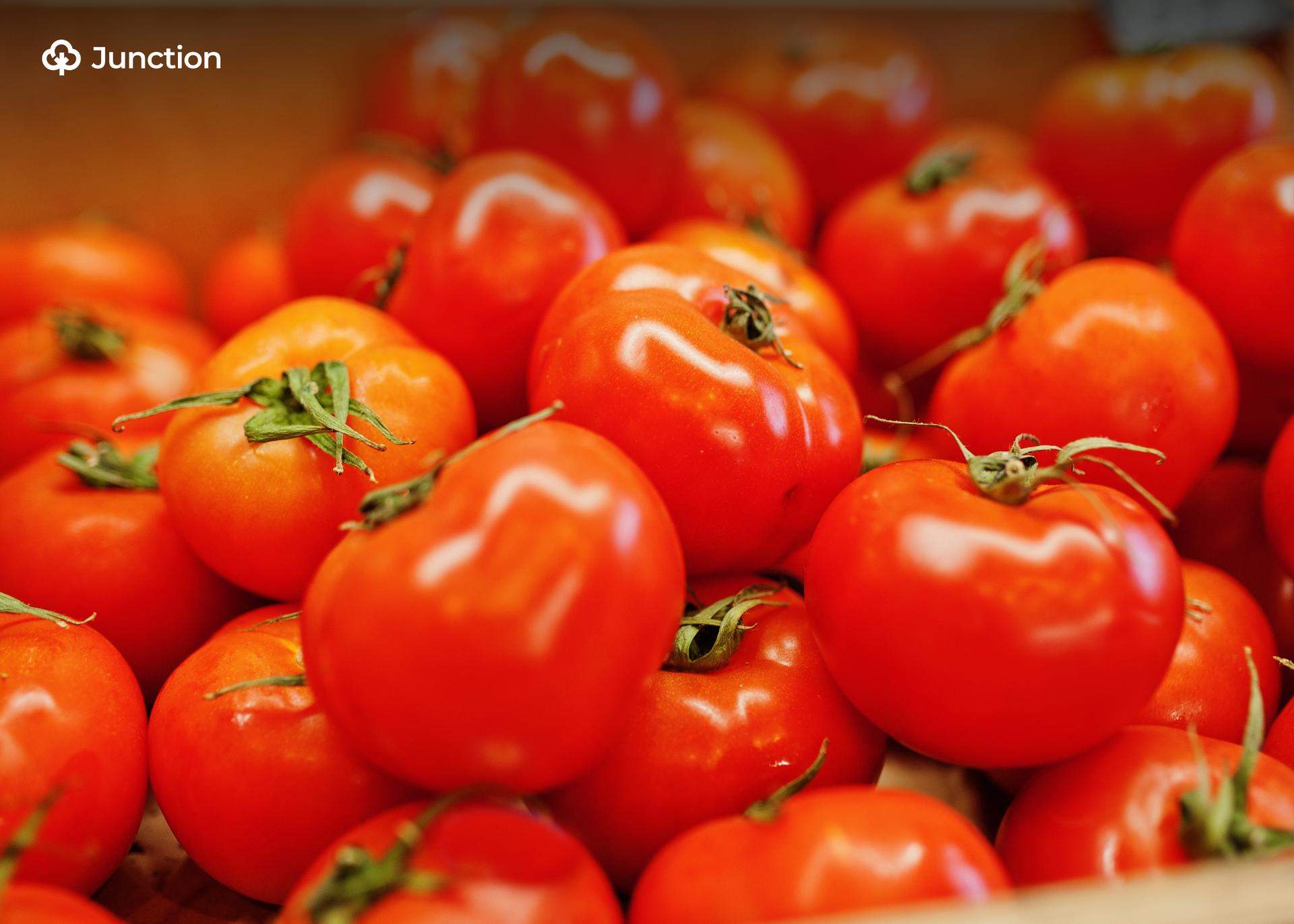
Nigeria has, for the first time in more than a decade, avoided its recurrent annual tomato price shock, bringing long-awaited relief to households and food manufacturers after 12 years of persistent shortages.
The turn in fortunes in 2025 marked the end of a long cycle in which tomato prices would repeatedly surge, often due to shortages linked to pests, post-harvest losses and structural weaknesses in production and distribution systems.
Collaborative Efforts Boost Local Production
Experts attribute the improved stability to years of collaborative efforts aimed at boosting local tomato production, reducing post-harvest losses and mitigating the impact of the pest known as Tuta Absoluta, which has been a significant factor in past scarcity episodes.
Since 2013, Nigeria’s tomato sector has been characterised by chronic shortfalls that triggered sharp price increases, squeezing consumers and complicating supply for processors dependent on raw materials.
Relief for Consumers and Food Processors
The stable supply in 2025 translated into more predictable and moderate prices in key markets, easing pressure on households for whom tomato is a staple ingredient and on domestic food processors that previously struggled to secure affordable fresh inputs.
In contrast with earlier years, when fresh tomato shortages forced manufacturers to pause or reduce operations and import processed products, the steadier 2025 season allowed better planning and utilisation of local produce.
Remaining Challenges and Industry Outlook
Despite the marked improvement, structural challenges persist. It is estimated that about half of Nigeria’s tomato harvest is still lost each year to factors such as inadequate storage, poor transportation and limited processing capacity, which continue to undermine the sector’s potential.
Stakeholders remain optimistic that the stability experienced in 2025 can be sustained into 2026 and beyond, but they emphasise the need for sustained investment in storage infrastructure, market linkages and producer support to move closer to self-sufficiency and reduce reliance on imported processed tomato products.

Chinwendu Ohabughiro
Chinwendu Gift Ohabughiro is a Lagos-based content writer and communications specialist passionate about people-centered stories that inspire change. A lifelong learner, she loves exploring languages, culture, storytelling—and anything involving chocolate.
Comments
More Articles Like This


