Latest news, analysis and data in the agriculture sector.
news
Jigawa Wheat Farmers Abandon Farms as Market Prices Crash
By Obinna Onwuasoanya | Jan 05, 2026 | 0 comments

News in Brief:
-Wheat farmers in Jigawa State are abandoning production after wheat prices fell by over 66%, pushing many to switch to more profitable crops like onion and watermelon.
-The trend threatens Nigeria’s wheat self-sufficiency drive and puts the National Wheat Development Programme at risk unless market conditions improve.
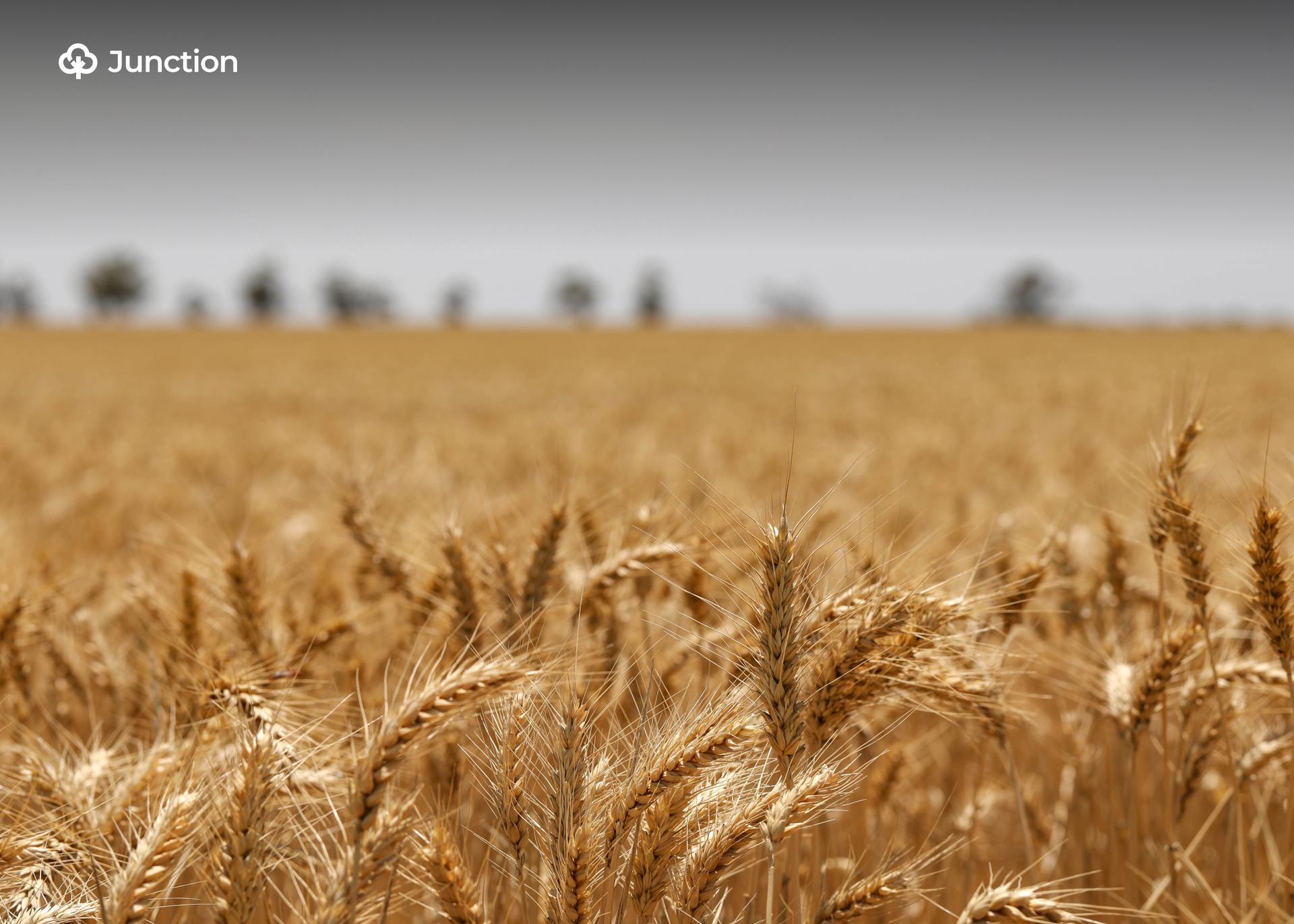
Wheat farmers in Jigawa State are increasingly shifting away from wheat production as falling market prices make the crop unprofitable. According to reports, many farmers are now opting for alternative crops such as onion and watermelon, which offer quicker returns and more stable pricing. A 100kg bag of wheat reportedly dropped by over 66% following the 2024–2025 harvest season, significantly eroding farmers’ incomes.
One farmer disclosed that an estimated 80% of wheat farmers in the state have either reduced cultivation or abandoned wheat entirely, pending an improvement in market conditions. There are growing concerns that this trend could spread to other wheat-producing areas across northern Nigeria, further weakening the country’s quest for wheat self-sufficiency.
Price Crash and Farmer Exit
The sharp decline in wheat prices has been a major disincentive for producers, despite years of policy attention on boosting local output. While some farmers acknowledged receiving government-backed input support, including improved seeds and fertiliser, many say these interventions are insufficient without a guaranteed or profitable market. Rising production costs, combined with low farm-gate prices, have left wheat cultivation financially unsustainable for smallholder farmers.
As a result, crop substitution is accelerating, with onions and watermelons viewed as safer commercial options due to stronger demand and better pricing. This shift, however, poses long-term risks to Nigeria’s cereal production balance and food security goals.
Implications for National Wheat Policy
Wheat remains one of the most widely consumed cereals in Nigeria, serving as a critical input for bread, noodles, pasta, biscuits, semolina, and other flour-based foods. Demand continues to rise due to population growth, urbanisation, and changing dietary habits, supporting a broad agro-processing value chain that includes milling, baking, logistics, and retail.
President Bola Tinubu’s National Wheat Development Programme, which targets the production of ₦160 billion worth of wheat by supporting 80,000 farmers, now faces significant headwinds. Jigawa State is a key focus of the initiative, and the growing loss of confidence among farmers threatens its success. Analysts warn that unless market pricing, off-take guarantees, and value-chain linkages are improved, Nigeria’s heavy dependence on wheat imports and its exposure to foreign exchange pressure and global price volatility will persist.

Obinna Onwuasoanya
Obinna Onwuasoanya is a Lagos-based tech reporter, editor, and SEO specialist with over seven years of professional writing experience. A versatile storyteller, he also works as a ghostwriter and fiction author, with his works featured in leading online and print publications. In 2018, he was shortlisted for the prestigious Writivism Short Story Prize.
Comments
More Articles Like This


