Latest news, analysis and data in the agriculture sector.
news
Johnvents Seeks $72 Million IFC Loan for Sesame, Cashew Factories in West Africa
By Chinwendu Ohabughiro | Oct 29, 2026 | 0 comments

News in Brief:
— Johnvents Industries seeks up to $72 million in IFC financing to develop a 50,000-tonne sesame-processing plant in Nigeria and a 30,000-tonne cashew factory in Côte d’Ivoire.
— The proposed loan remains subject to approval and could support farmer training, job creation and stronger agricultural supply chains.
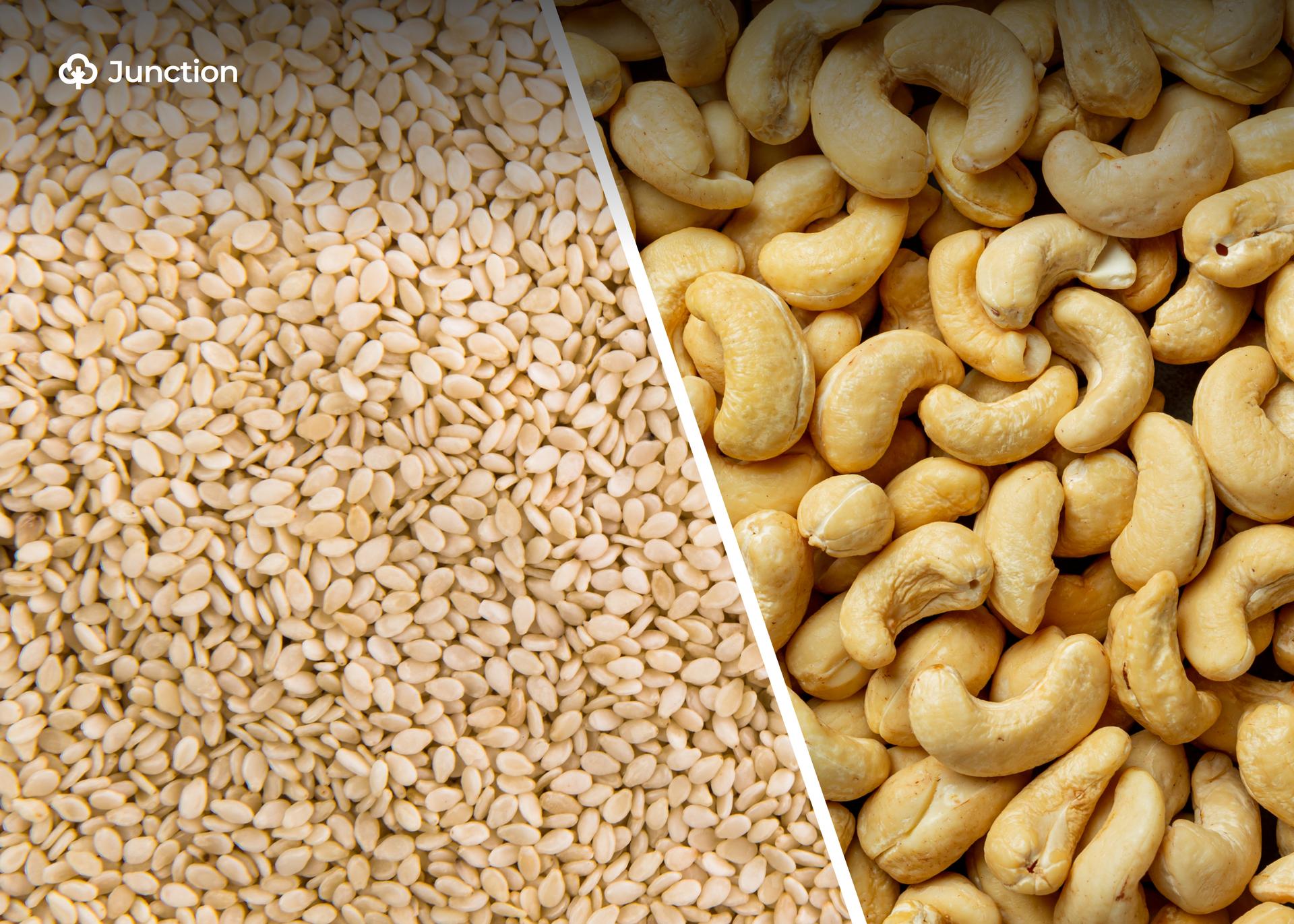
Nigerian agribusiness group Johnvents Industries is seeking up to $72 million in financing from the International Finance Corporation (IFC) to expand into sesame and cashew processing across West Africa. The proposed investment would fund a sesame-processing plant in Nigeria with an annual capacity of 50,000 tonnes and a cashew factory in Côte d’Ivoire capable of processing 30,000 tonnes yearly.
Financing and Expansion Plans
The proposed eight-year loan package includes a two-year grace period on principal repayments. About $53.6 million would fund factory construction, vehicles and other capital expenditure, while $18.4 million would provide working capital. The plan also includes acquiring 30 trucks to strengthen distribution.
Founded by John Alamu, who holds an effective ownership interest of about 95%, Johnvents has previously secured financing to expand its cocoa-processing operations in Ondo State.
In June 2024, IFC provided a $23.3 million financing package to expand its cocoa-processing operations. British International Investment subsequently committed $40.5 million in long-term financing in February 2025.
The latest proposal would diversify the group’s processing operations and extend its physical presence into Côte d’Ivoire, a major global cashew-producing country.
Environmental and Social Safeguards
IFC expects the investment to improve market access for farmers, create jobs and retain more value within African agricultural supply chains. An associated advisory programme could provide climate-smart agriculture training to about 40,000 farmers.
However, IFC has classified the proposed investment as Category A, indicating potentially significant environmental and social risks. These include possible child and forced labour, unsafe working conditions, pesticide exposure and habitat conversion. IFC also identified governance risks linked to Alamu’s concentrated ownership, while noting steps towards professional management and stronger board oversight.

Chinwendu Ohabughiro
Chinwendu Gift Ohabughiro is a Lagos-based content writer and communications specialist passionate about people-centered stories that inspire change. A lifelong learner, she loves exploring languages, culture, storytelling—and anything involving chocolate.
Comments
More Articles Like This


