Latest news, analysis and data in the agriculture sector.
news
Kano Irrigation Projects Raise Prospects for Dry-Season Farming
By Chinwendu Ohabughiro | Nov 05, 2026 | 0 comments

News in Brief:
— Improved irrigation systems around dams in Kano help farmers extend cultivation beyond the rainy season, reduce reliance on generators and consider growing more crops.
— Experts say lasting gains will depend on training, soil management, reliable water distribution, infrastructure maintenance, better roads and access to profitable markets.
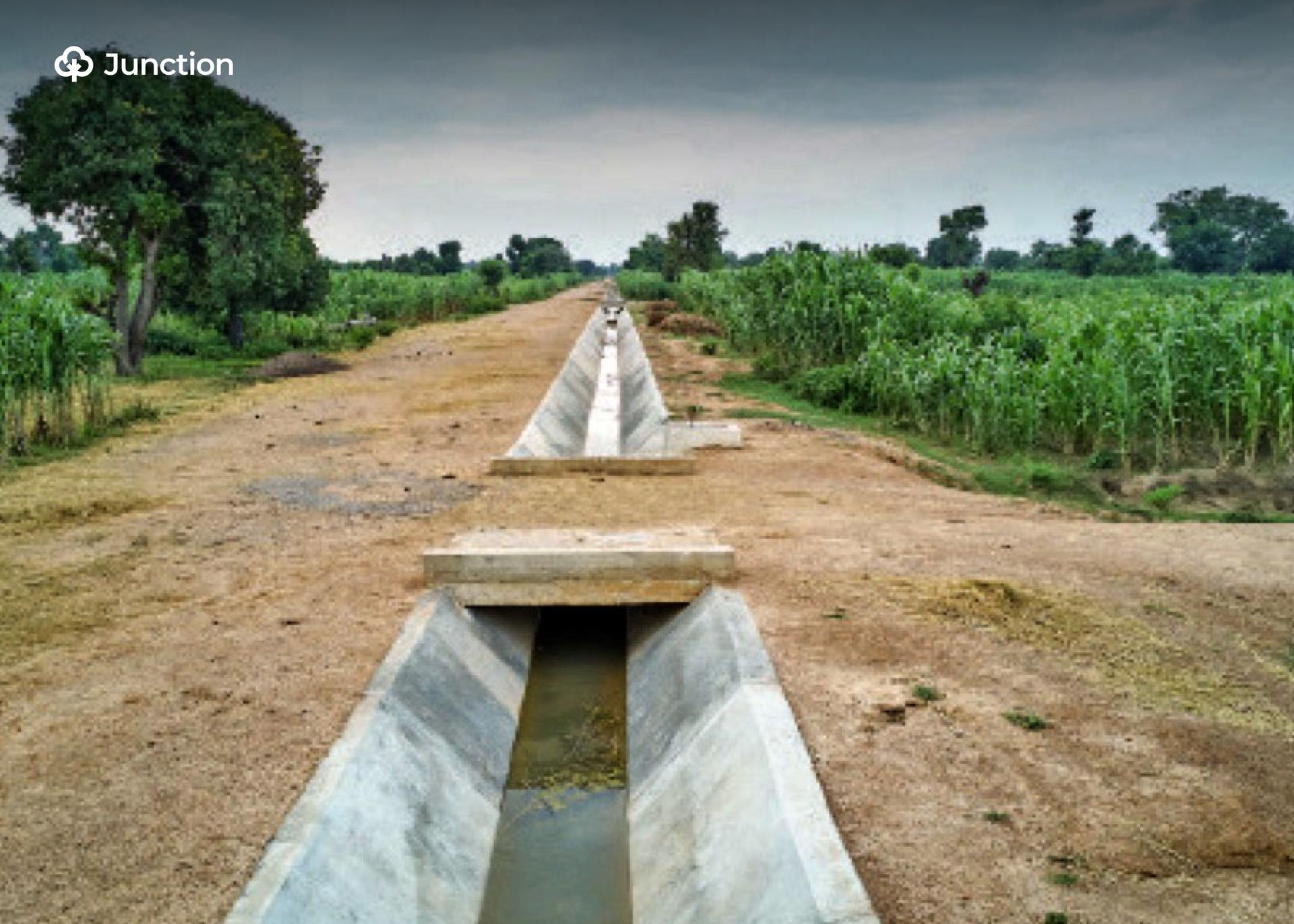
Improved irrigation and road infrastructure are creating new opportunities for farming communities in Kano State, allowing some farmers to extend cultivation beyond the rainy season. Faruku Musa Haruna, a farmer in Kumfada, said he used to rely on plastic sheets to collect water for small plots during the dry season. The improved supply has changed his experience.
“You just turn the valve, and water flows right into your field,” Haruna said.
He now grows carrots, onions, tomatoes and peppers, and hopes to add rice and wheat.
Irrigation Needs Support Systems
The federal government's intervention around Tiga, Challawa Gorge and Kafin Chiri dams combines irrigation rehabilitation, erosion control, road improvements and agricultural support. The Ecological Project Office oversees the programme, while the International Institute of Tropical Agriculture (IITA) provides technical assistance.
Professor Lucky Osabuohien Omoigui, a plant breeding and genetics specialist at IITA's Kano station, said farmers must be trained to use water efficiently and adopt sustainable production practices.
IITA reports 1,890 beneficiaries across 16 local government areas, including 501 smallholder farmers who received training. Its activities include eight farmer field schools and 86 demonstration plots.
Omoigui also warned that repeated cereal cultivation can deplete soil fertility, recommending cereal-legume rotation and appropriate fertiliser management. He said that it could take two to three years to assess the intervention's wider impact.
Roads and Maintenance Remain Critical
Improved roads are also helping farmers transport produce. Abdullahi Hamza, a farmer in Gana, said poor road conditions previously caused onions to be damaged or spoiled before reaching markets. Repairs have made transportation easier.
At Kafin Chiri, a project engineer reported that rehabilitation of the embankment section was 80 per cent complete, while work continued on distribution and field channels. The figure does not represent completion of the entire intervention.
Water user associations and dam managers are being engaged on operations and maintenance, with fair distribution also essential to ensuring farmers receive reliable supplies. IITA reports that women account for 20 per cent of its beneficiaries and 97 of the 501 trained farmers, although questions remain about their access to irrigated land and control over agricultural income.

Chinwendu Ohabughiro
Chinwendu Gift Ohabughiro is a Lagos-based content writer and communications specialist passionate about people-centered stories that inspire change. A lifelong learner, she loves exploring languages, culture, storytelling—and anything involving chocolate.
Comments
More Articles Like This


