Latest news, analysis and data in the agriculture sector.
news
Lagos Airport Adopts New Tariff as Agro-Exporters Monitor Cost Impact
By Chinwendu Ohabughiro | Feb 11, 2026 | 0 comments

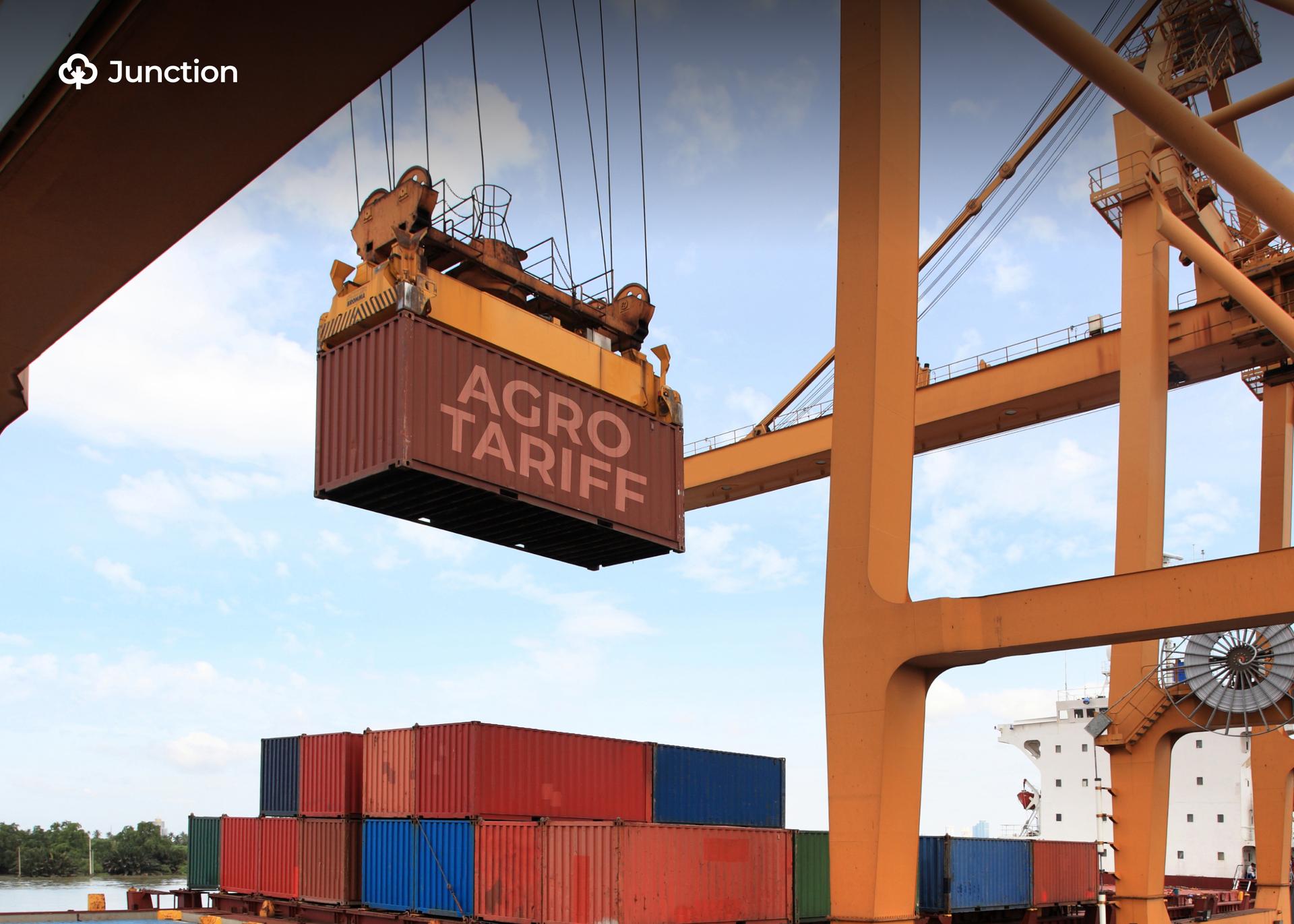
News in brief:
-FAAN and cargo agents agreed on a ₦15/kg cargo port charge at MMIA, down from the earlier proposed ₦20/kg.
-The decision is significant for agricultural exporters relying on air freight for perishable produce.
The Federal Airports Authority of Nigeria 9FAAN) has reached an agreement with cargo agents at the Murtala Muhammed International Airport (MMIA) in Lagos, on a revised cargo port charge of ₦15 per kilogram. This development is expected to have direct implications for Nigeria’s agricultural export value chain.
The decision was finalised at a stakeholders’ meeting held recently, at the MMIA Terminal 2 Conference Room, chaired by the Director of Cargo Development and Services, Mr Lekan Thomas.
Compromise Rate Offers Partial Relief to Exporters
The new rate represents a compromise between the earlier proposed pricing and the existing ₦7 per kilogram charge.
For agricultural exporters, particularly those dealing in perishables such as vegetables, fruits, spices and other fresh produce, cargo charges form a critical component of overall export costs. Any upward review directly impacts pricing competitiveness in international markets, where Nigerian produce already faces stiff competition from countries with lower logistics costs.
While the new rate is higher than the previous ₦7 per kilogram, stakeholders may view the compromise as a moderated adjustment rather than a full-scale tariff escalation.
Implications for Nigeria’s Perishable Export Market
Air freight remains the primary channel for exporting high-value, time-sensitive agricultural products. Increased cargo handling costs can translate into higher landed prices abroad, potentially reducing demand and affecting foreign exchange earnings from non-oil exports.
Nigeria’s push towards agricultural diversification depends heavily on efficient and cost-effective logistics infrastructure. Industry players have consistently argued that cumulative airport levies, handling charges and regulatory fees erode the competitiveness of Nigerian agro-exports.
The revised charge therefore carries significance beyond airport operations, touching directly on export margins, farmer incomes and supply chain viability.
FAAN Reaffirms Commitment to Cargo Infrastructure Development
The airport regulator stated that the resolution reflects dialogue, partnership and shared responsibility among stakeholders. It added that the agreement is expected to enhance the ease of doing business at the airport while supporting sustainable airport and cargo infrastructure development.
It reiterated its commitment to stakeholder engagement and adherence to its SEDI principles of Safety, Efficiency, Development and Innovation, alongside continued modernisation of cargo terminal facilities.
FAAN expressed appreciation to the Customs Licensed Cargo Agents for their cooperation and signalled readiness for sustained collaboration in strengthening Nigeria’s air cargo ecosystem.
For the agricultural sector, continued engagement between airport authorities, freight operators, and exporters will remain essential to balancing infrastructure funding needs with the imperative of maintaining globally competitive export pricing.

Chinwendu Ohabughiro
Chinwendu Gift Ohabughiro is a Lagos-based content writer and communications specialist passionate about people-centered stories that inspire change. A lifelong learner, she loves exploring languages, culture, storytelling—and anything involving chocolate.
agricultural air freight Nigeriaperishable export costs NigeriaMMIA port tariffFAAN cargo chargeNigeria agro exports
Comments
More Articles Like This


