Latest news, analysis and data in the agriculture sector.
news
Lagos Catfish Farmers Blame Middlemen Monopoly for Profit Loss
By Noah Aderoju | Mar 06, 2026 | 0 comments

News in Brief
-Lagos State catfish farmers decried the monopoly by middlemen who control catfish sales, barring farmers from direct market access
-The association have called for government intervention to level the playing field and save their livelihoods.
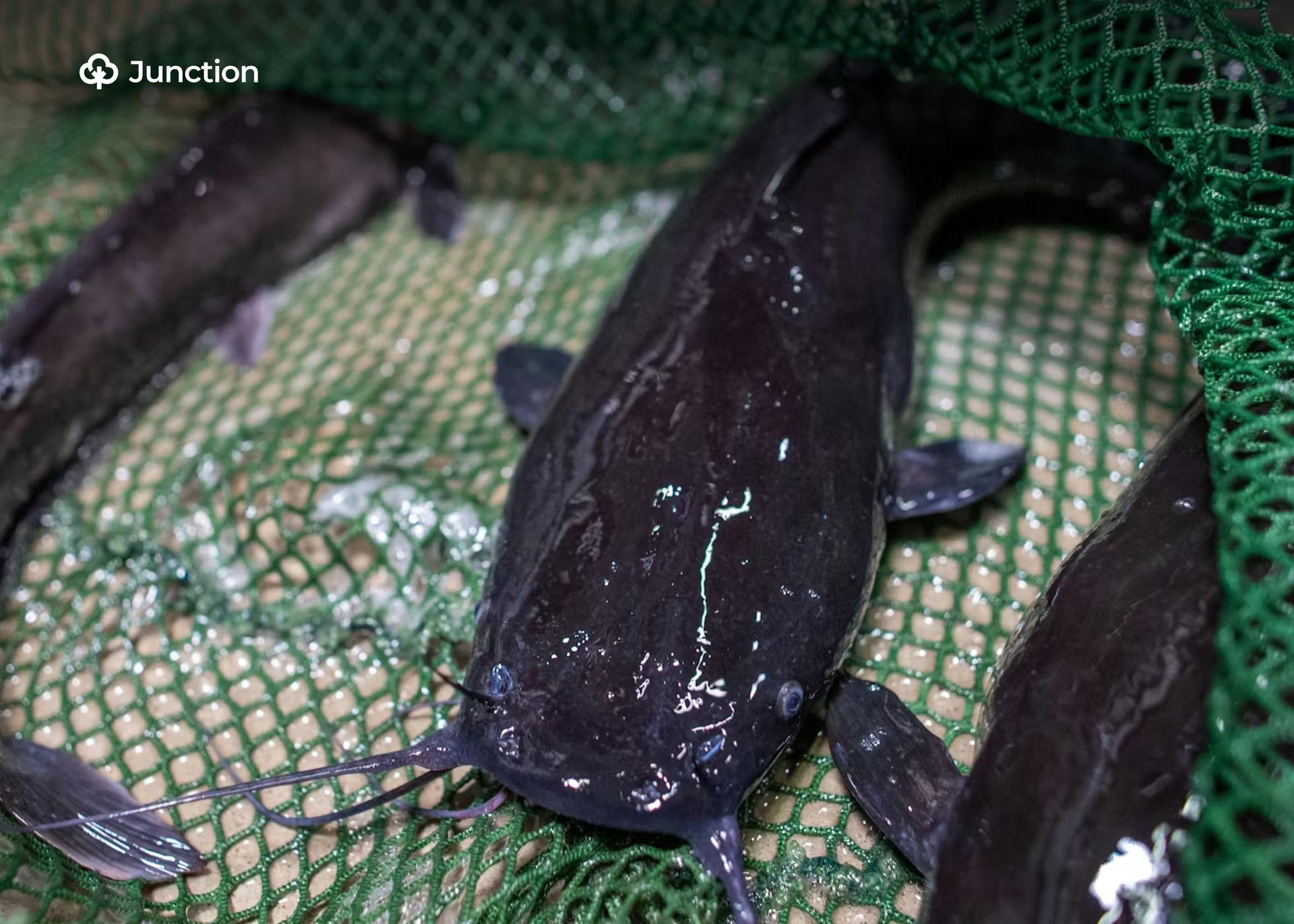
Catfish farmers under the Lagos State Catfish Allied Farmers Association of Nigeria (LASCAFAN) have decried the protracted struggle against market women and middlemen who severely undermine their profitability by controlling sales and dictating prices.
The association Chairman, Mr Olatoye Fajimi, raised the alarm in a recent exclusive interview with the News Agency of Nigeria (NAN), highlighting how this dominance leaves farmers powerless despite their heavy investments in cultivation.
Decrying the monopoly, Fajimi painted a picture of frustration in which farmers toil through the demanding process of raising catfish but reap minimal rewards.
"We are not in charge of the sales of our catfish produce; the market women traders association has monopolised the sales," he stated emphatically. "Our members are fish farmers, not fish marketers, and we are not allowed to sell in the market. The only sales we can make as fish farmers are in processed fish. We are not allowed to sell the raw catfish produce. It has been a running battle between the farmers and the marketers for some years. It is a serious issue that we have."
Impact on Farmers' Livelihoods
This market exclusion directly affects the venture's sustainability, further worsening the survival of farmers and their businesses. Fajimi explained that traders and middlemen unilaterally set prices, often far below what covers production costs amid rising feed and operational expenses.
"The sales of our produce and the factors that determine the price are not in our hands, and it is affecting the profitability of the farmers’ efforts," he lamented.
The ripple effects are profound for Lagos' aquaculture community, a vital contributor to Nigeria's protein supply and local food security. Farmers bear the brunt of high input costs, like feed, pond maintenance, and labour, yet see their margins eroded by these gatekeepers.
Similar farmers and middlemen clashes have echoed nationwide, from Nasarawa to national associations like CAFAN, where leaders once rallied to "smoke out the catfish mafia" by processing more harvests themselves.
Yet without policy shifts like licensing reforms or dedicated farmers' markets, these initiatives risk falling short.
Push for Direct Market Access
The Lagos State chapter's push for direct market access underscores a broader crisis in Nigeria's agricultural value chains, where producers frequently lose out to intermediaries, mirroring challenges in poultry and crop farming.
In a move to bypass the struggle, they had launched a home sales programme late last year, establishing community points for farmers to sell directly to locals. The initiative promised relief, allowing farmers to pocket fairer shares from their harvests. However, market women swiftly disrupted the operations, forcing a halt and exposing the raw power dynamics at play.
When LASCAFAN reported the interference to the Lagos State Ministry of Agriculture, the response was disheartening. Officials cited licensing rules favouring marketers, leaving farmers sidelined.
"When we reported the issue to the Lagos State Ministry of Agriculture, nothing came out of it; they informed us that marketers are the ones who are licensed to sell at the markets," Fajimi recounted.
Currently, farmers resort to off-takers who supply supermarkets, restaurants, and hotels. However, this workaround still limits scale.
"We engage off-takers that supply supermarkets, restaurants or hotels directly. We can sell to the off-takers, but we are not permitted to sell directly to the market," Fajimi noted.
Thus, middlemen still dominate bulk raw fish sales, buying low from farms and reselling high, perpetuating the cycle of exploitation.
Call for Government Intervention
Fajimi pleaded with the government to intervene to level the playing field.
"We want the government to intervene. We do not have the power over the sector. The traders should not determine how much the produce is sold because we are the ones doing the major work of cultivation in the sector," he urged.
This demand aligns with ongoing state efforts to bolster aquaculture, such as the planned Lagos Aquaculture Centre of Excellence (LACE) in Epe, backed by a ₦10 billion investment. Set for commissioning in Q3 2026, LACE aims to streamline processing, distribution, and marketing while addressing middlemen woes through pre-agreed pricing and offtake deals. Commissioner for Agriculture, Abisola Olusanya, has emphasised support for farmers struggling with unreliable buyers.

Noah Aderoju
Noah Aderoju is a multimedia journalist and researcher with a passion for telling stories.
Comments
More Articles Like This


