Latest news, analysis and data in the agriculture sector.
news
Land Degradation Threatens 80 Million Hectares In Central Asia
By Obinna Onwuasoanya | Mar 07, 2024 | 0 comments

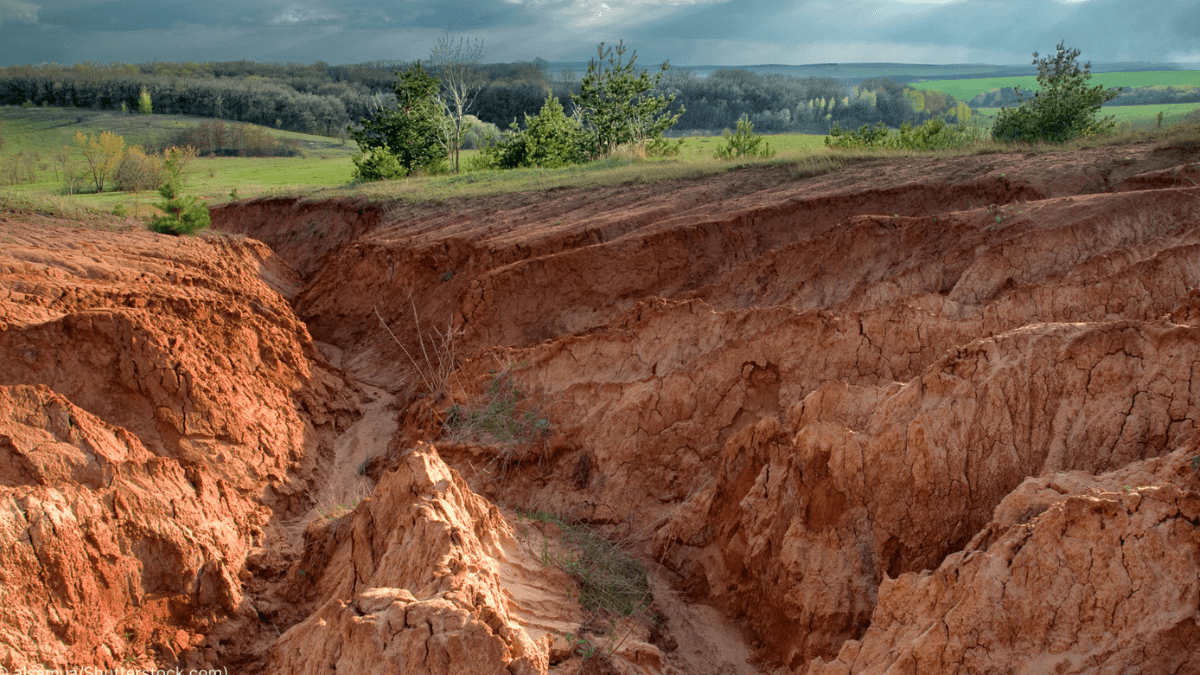
News in Brief:**- Central Asia faces a severe land degradation crisis, impacting 80 million hectares, with 78% of Kazakhstan's land vulnerable, posing a significant threat to local farmers.- Governments respond with commitments to restore degraded land, implement sustainable practices, and Kazakhstan's ambitious afforestation plan of planting two billion trees by 2025. Central Asia is grappling with a pressing environmental crisis as land degradation escalates, jeopardizing approximately 80 million hectares, an area nearly four times the size of Kyrgyzstan. This alarming revelation, disclosed by the United Nations Convention to Combat Desertification (UNCCD), underscores the region's vulnerability to environmental upheavals, with significant implications for its inhabitants, particularly local farmers.
Degradation dynamics: a grim reality
Reports from the UNCCD highlight the multifaceted nature of land degradation in Central Asia, including secondary salinisation in irrigated lands, soil erosion in rainfed and mountainous regions, and vegetation loss in rangelands. These phenomena are exacerbated by unsustainable agricultural practices, encroachment into fragile territories, and lax maintenance of vital irrigation systems. The ramifications of land degradation reverberate profoundly among local farming communities. Increased aridity, compounded by erratic weather patterns, imposes severe stress on vegetation and water resources, directly impacting agricultural productivity. Kazakhstan, bearing the brunt with 78% of its land vulnerable to degradation, faces a daunting challenge, marked by sandstorms and droughts, exposing a significant portion of its populace to perilous conditions.
Government initiatives: reforestation and carbon neutrality
In response, governments across the region are mobilising efforts to mitigate the crisis. Kazakhstan has pledged to restore over four million hectares of degraded land while bolstering sustainable irrigation practices. Similarly, Kyrgyzstan has initiated measures such as pasture rotation and infrastructure improvements to curb degradation in its rangelands. Amidst the adversity, glimmers of hope emerge as Kazakhstan embarks on an ambitious afforestation drive, aiming to plant two billion trees by 2025, including in the desiccated Aral Sea basin. Coupled with aspirations for carbon neutrality by 2060, these endeavors hold promise for reversing the tide of degradation and fostering environmental resilience.

Obinna Onwuasoanya
Obinna Onwuasoanya is a Lagos-based tech reporter, editor, and SEO specialist with over seven years of professional writing experience. A versatile storyteller, he also works as a ghostwriter and fiction author, with his works featured in leading online and print publications. In 2018, he was shortlisted for the prestigious Writivism Short Story Prize.
Comments
More Articles Like This


