Latest news, analysis and data in the agriculture sector.
news
NCFRMI Empowers Female IDPs in Soilless Farming under EYiA Programme
By Obinna Onwuasoanya | Sep 29, 2025 | 0 comments

News in brief:
-A refugee organisation has trained female Nigerian IDPs in soilless farming techniques, alongside entrepreneurship and financial literacy under the EYiA Programme.
-The initiative equips displaced women with agricultural and livelihood skills to promote resilience, independence, and long-term food security.
In Nigeria today, thousands of internally displaced persons (IDPs) are searching for ways to rebuild their lives after years of conflict and hardship. For many of these families, survival has often meant depending on handouts. But now, a new initiative is giving women in IDP camps a fresh path to self-reliance through soilless farming.
The National Commission for Refugees, Migrants and Internally Displaced Persons (NCFRMI) has trained women IDPs in innovative farming methods under the Enterprise of Youth in Agriculture (EYiA) Programme, equipping them with skills to grow food without soil while also preparing them for life as entrepreneurs.
What is Soilless Farming and Why Does it Matter?
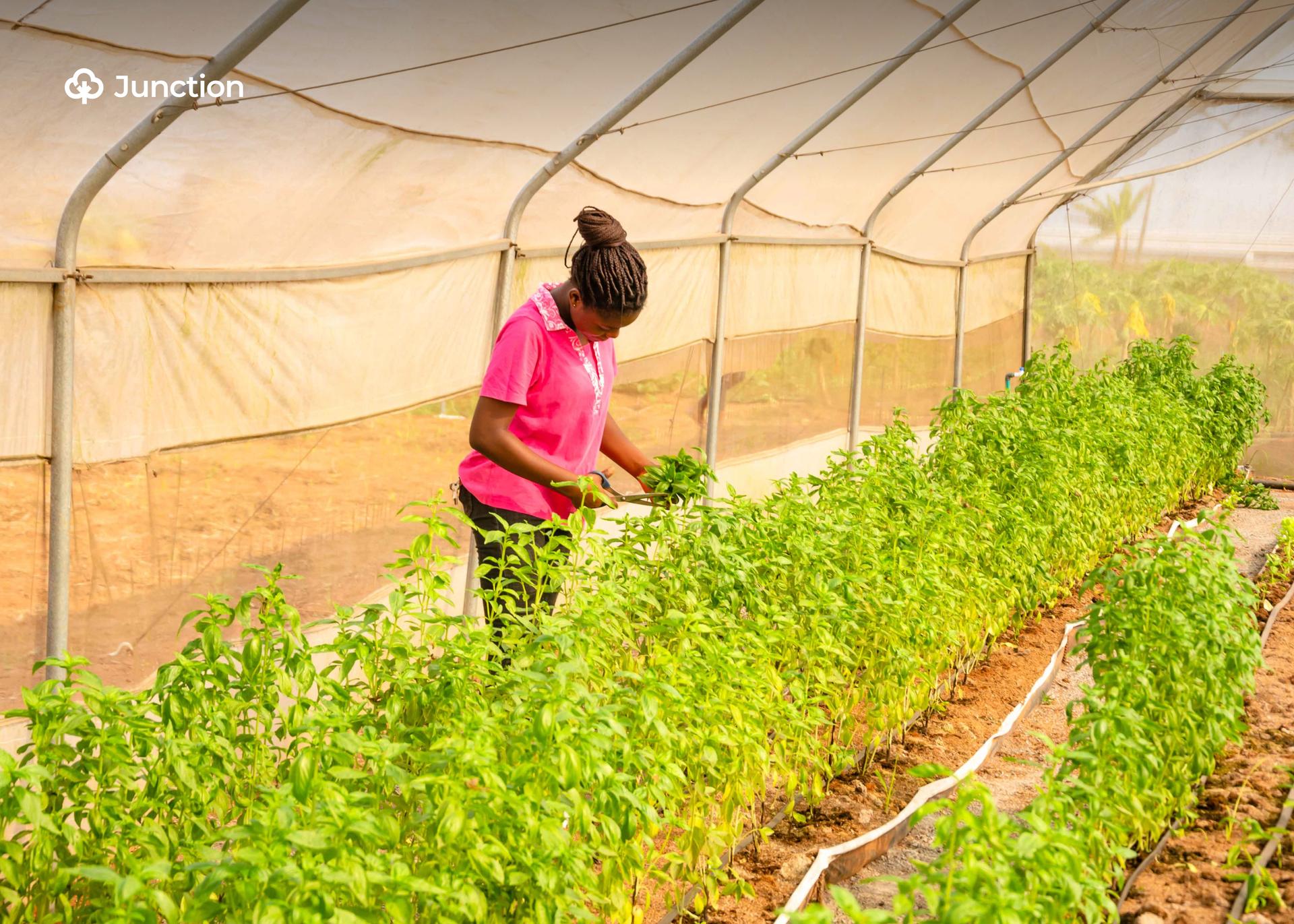
Soilless farming, also known as hydroponics, allows crops to be grown in nutrient-rich water or alternative materials instead of soil. For IDPs living in camps where access to farmland is limited, this technology offers a sustainable way to produce vegetables such as tomatoes, cucumbers, habaneros, and bell peppers.
Experts note that hydroponic farming uses less water, produces higher yields, and reduces the risk of soil-borne diseases. For women displaced by conflict, learning this method means access to healthier food for their families and extra income from sales.
Empowering Women Beyond Agriculture
According to NCFRMI’s Southwest Zonal Coordinator, Alex Oturu, women were given special focus in the training because they make up the majority of vulnerable groups in the camps. Speaking on behalf of the Federal Commissioner, Dr Tijjani Aliyu Ahmed, Oturu explained that the three-month programme went beyond farming.
“Alongside the training in soilless farming, women were taught supplementary skills such as knitting, braiding, and creative digital skills. This helps them diversify their income sources and strengthens their resilience,” Oturu said.
By combining agriculture with entrepreneurship and financial literacy, the programme aims to reduce dependence on aid and prepare participants for long-term independence.
Building Resilience Through Knowledge
Over the training period, participants gained both practical and theoretical lessons covering:
- Greenhouse construction and nursery management
- Agronomy and food safety practices
- Financial literacy and small business management
- Gender empowerment and community leadership
These skills are designed to help displaced women transition from vulnerable aid recipients to active contributors in their communities.
A Path Toward Sustainable Livelihoods
The NCFRMI reiterated its commitment to ensuring that displaced persons are not only protected but also empowered to live with dignity. Programmes like EYiA highlight how agriculture can be a powerful tool in addressing food insecurity, unemployment, and poverty among Nigeria’s most vulnerable groups.
“By equipping displaced women with these skills, the NCFRMI continues to prioritise programmes that enhance resilience, reduce dependency, and promote sustainable livelihoods for IDPs,” the statement read.

Obinna Onwuasoanya
Obinna Onwuasoanya is a Lagos-based tech reporter, editor, and SEO specialist with over seven years of professional writing experience. A versatile storyteller, he also works as a ghostwriter and fiction author, with his works featured in leading online and print publications. In 2018, he was shortlisted for the prestigious Writivism Short Story Prize.
Comments
More Articles Like This


