Latest news, analysis and data in the agriculture sector.
news
New Drought-Tolerant Cowpea Varieties Undergo Trials in Benue
By Noah Aderoju | Nov 23, 2026 | 0 comments

News in Brief:
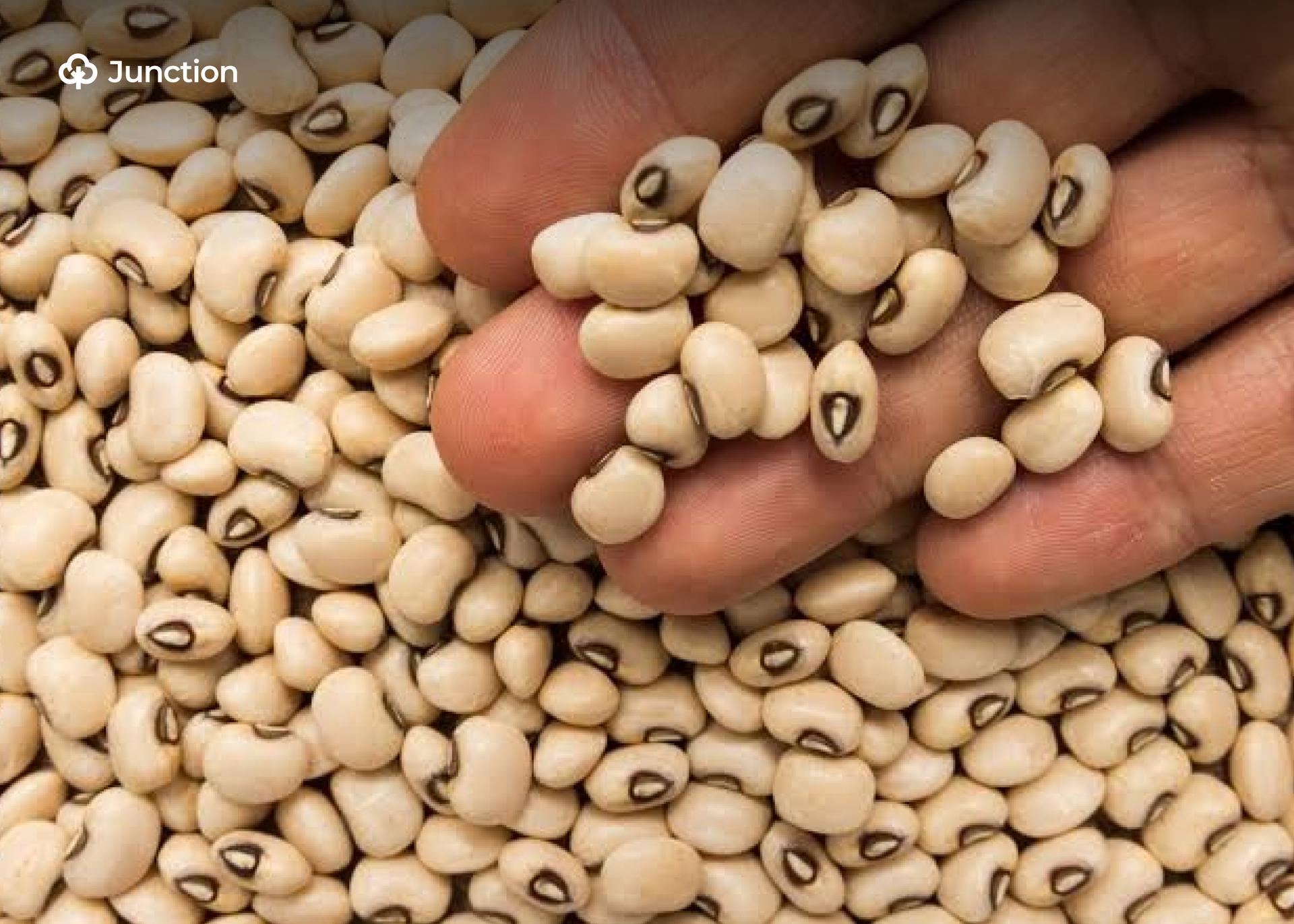
—New cowpea varieties developed by JOSTUM and IITA to resist Striga weed and drought are undergoing field evaluation in Benue State.
—They will be recommended for national registration and release only if farmers accept them during on-farm assessment.
Researchers at the Joseph Sarwuan Tarka University, Makurdi (JOSTUM) are about to finalise new cowpea varieties that can give Nigerian farmers higher yields, resist a destructive weed and withstand long dry spells.
The varieties being developed in collaboration with the International Institute of Tropical Agriculture (IITA) are currently undergoing field evaluation ahead of possible registration and release.
According to a report by the Daily Trust, members of the National Committee on Registration and Release of Crop Varieties, Livestock Breeds and Fisheries in Nigeria inspected on-farm trials of the proposed varieties in Benue State and made optimistic remarks about the development.
Striga Resistance, Drought Tolerance and Bigger Grains
IITA plant breeder and seed systems specialist, Professor Lucky Omoigui, who led the development team, said the varieties were bred through conventional methods supported by molecular tools and marker-assisted selection. He stressed that they are not genetically modified organisms (GMOs).
According to him, breeders selected materials with genes for resistance to Striga, a parasitic weed that hurts crop production, especially for resource-constrained farmers. The varieties also tolerate drought and have high yield potential.
Omoigui said five cowpea varieties have been released through the collaboration, while two more, one white-seeded and one brown-seeded, are being evaluated. He said the proposed varieties have relatively larger grains, with an average 100-seed weight of about 32 grammes.
"What drives us is the market. Every variety is developed for a specific purpose and to meet the preferences of farmers and consumers in terms of high yield, market value and taste," he added.
The university's research farm coordinator, Professor Felix Ugese, said the varieties also cook faster, which reduces the amount of gas households use.
A JOSTUM agronomist, Dr Teryima Iorlamen, said researchers are working on FUAMPEA 6, 7 and 8, comprising two white-seeded and one brown-seeded varieties, and expects at least two to pass evaluation.
Committee Inspects Trials in Benue
The Chairman of the committee's Technical Subcommittee, Professor Ado Shehu, said physical assessment under real farming conditions and consultations with farmers are required before any variety is recommended for registration and release.
He said varieties accepted by farmers would be recommended, while breeders would fix identified shortcomings and resubmit those that fail to meet the standards.
Shehu added that Nigeria must reduce its dependence on imported agricultural products by investing in quality seeds and plant-breeding research.
"New varieties are necessary for any country to attain food sufficiency. Nigerians will only be secure with food security and self-sufficiency. To achieve this, inputs are necessary, including quality seeds and fertilisers. Plant breeding is equally necessary," he said.
He recalled that the committee visited the university in 2024 to assess FUAMPEA 5 before its release.
Farmers, Officials React
Professor Philip Agber, who represented the Vice-Chancellor, said developing improved varieties can take between three and five years.
"We have FUAMPEA 1 to 5 and are about to release more. It's a collaboration between IITA/JOSTUM. Now we have so much to showcase. Farmers also have the freedom to choose the varieties they want. It's hard work that has resulted in these varieties," Agber said.
The Deputy Director of Agricultural Services in the Benue State Ministry of Agriculture and Food Security, Solomon Owiocho, urged farmers to buy certified seeds. He cautioned against abandoning traditional varieties, known as landraces, which he said should be preserved and can serve as alternative planting material when farmers cannot afford improved seeds.
"With what this university is doing, we can be sure that we are close to achieving the food security that the Federal Government is talking about. There are many interventions here to help Benue achieve food security. This is commendable, with so many varieties already developed and acclimatised to our weather conditions. It has helped to answer the university's mandate," Benue State chairman of the All Farmers Association of Nigeria (AFAN), Pastor Ernest Atoji, said.

Noah Aderoju
Noah Aderoju is a multimedia journalist and researcher with a passion for telling stories.
Comments
More Articles Like This