Latest news, analysis and data in the agriculture sector.
news
Nigeria's Agriculture Contribution To GDP Rise In Q3 2024
By Obinna Onwuasoanya | Nov 27, 2024 | 0 comments

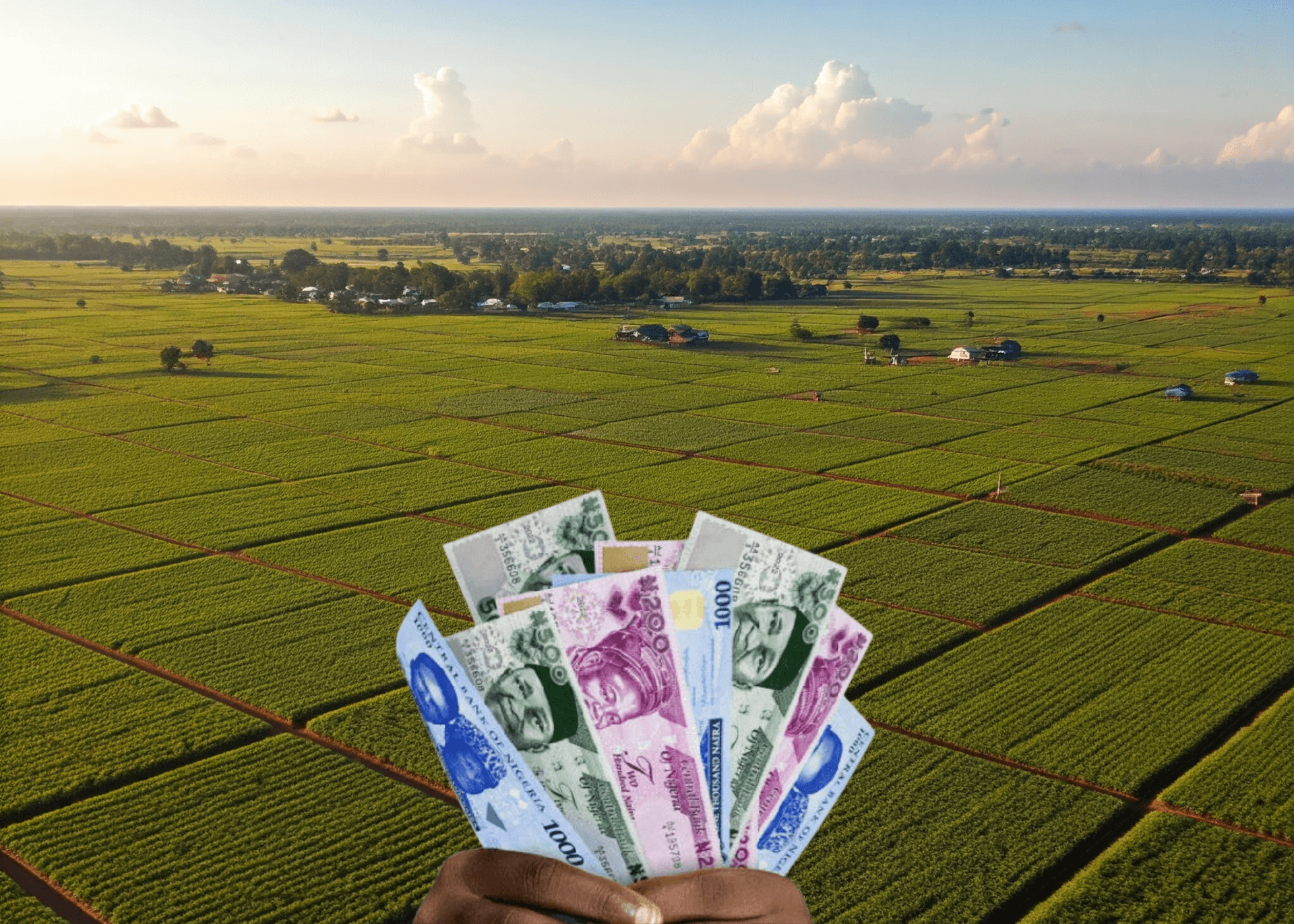
News in brief:- Nigeria's agriculture sector significantly contributed to the country's GDP in Q3 2024, reaching 28.65%.
- While this growth is positive, challenges like fluctuating food inflation persist, and sustainable agricultural practices are crucial for long-term benefits.
Agriculture's contribution to Nigeria's gross domestic product (GDP) rose to 28.65% in the third quarter (Q3) of 2024. According to the latest figures released by the National Bureau of Statistics (NBS), this growth is 6.04% higher than its contribution in the previous quarter.
This stat is crucial because it reveals what sectors are responsible for the country's GDP in a particular period. For example, further scrutiny of the data shows that crop production contributed 23% to Nigeria's overall GDP, the highest among all economic activities. However, other agricultural activities like livestock, fishing and forestry contributed 1.18%, 0.15%, and 0.60% respectively.
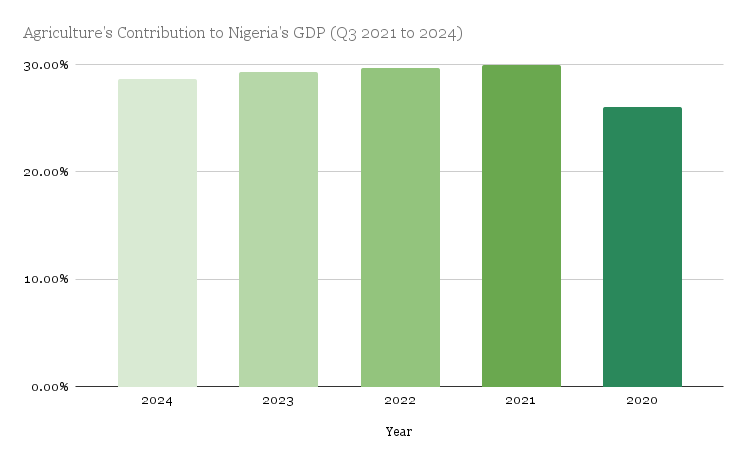
While this contribution is the highest that the sector has made to the local economy (since at least Q4 2023), it is not that spectacular when compared to Nigeria's agriculture GDP in the third quarter of the year, at least in recent ones.
Consider, for example, the contribution in the past three years preceding 2024 in the chart below:
 Meanwhile, the agricultural GDP rising could mean that there is a higher agricultural output which can create jobs, especially in rural areas. Also, it can lead to higher agricultural exports, generating foreign exchange earnings.
Additionally, a strong local agricultural sector should reduce reliance on food imports, improving food security. Higher food production can help stabilise food prices and reduce inflation.
In July and August 2024, Nigeria's food inflation rate slowed minimally on a month-on-month basis due to a drop in the rate at which prices of fish, garri, milk, and some other food items changed. However, by September and October, this relief was gone as the food inflation rate rose again.
To maximise the positive impact of a growing agricultural sector, the government and other policymakers should focus on:
- Providing adequate funding for research, extension services, and infrastructure.
- Providing access to credit, technology, and markets.
- Encouraging the adoption of climate-smart agriculture and other environmentally friendly practices.
- Encouraging the production of high-value crops and livestock.

Obinna Onwuasoanya
Obinna Onwuasoanya is a Lagos-based tech reporter, editor, and SEO specialist with over seven years of professional writing experience. A versatile storyteller, he also works as a ghostwriter and fiction author, with his works featured in leading online and print publications. In 2018, he was shortlisted for the prestigious Writivism Short Story Prize.
Comments
More Articles Like This


