Latest news, analysis and data in the agriculture sector.
news
Nigeria Beans Farmers Resolve to End 10-Year EU Export Ban Using Organic Farming
By Noah Aderoju | Dec 03, 2025 | 0 comments

News in Brief
-Nigerian beans farmers association targets an end to the EU beans export ban through the training of farmers on organic preservation methods
-Partnerships with NEPC and WTO aim to lift restrictions soon, with output eyeing growth beyond 12 million metric tonnes.
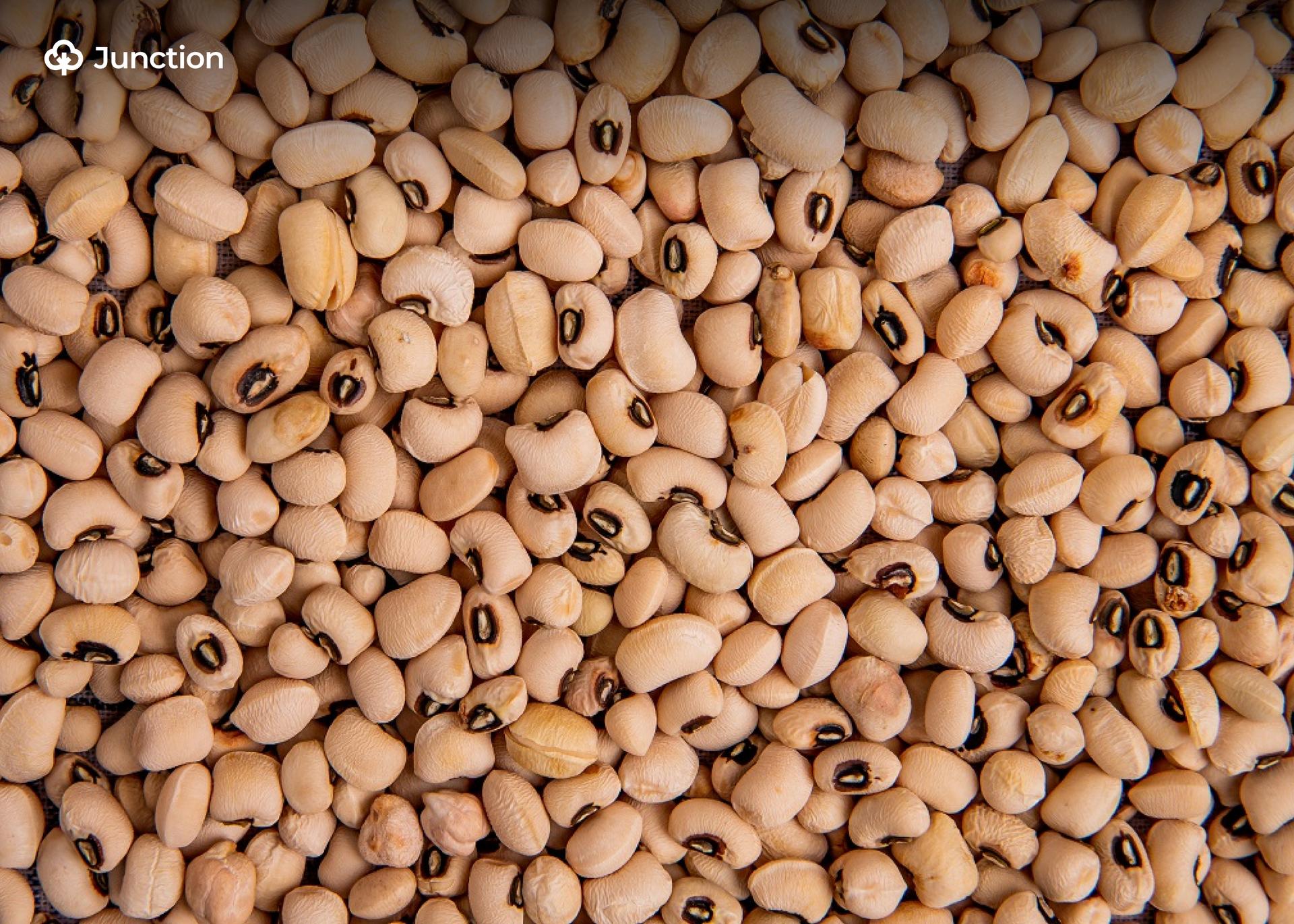
Spurred by the 10-year EU export ban on beans from Nigeria, farmers under the auspices of the Cowpea and Beans Farmers, Processors, and Marketers Association of Nigeria (C&BFPMAN) have resolved to use organic methods of preservation and sprays to reverse the ban.
According to reports, over 76% of Nigeria’s agricultural exports are being rejected by the European Union on safety grounds. Since the EU imposed a ban on bean exports from Nigeria over hazardous pesticide residues in 2015, the country has been losing approximately $363 million annually. The effect of this ban on Nigeria's economy has been far-reaching.
Knowledge Gap
The National Secretary of the association, Sunday Ojonugwa, revealed that the association traced the use of hazardous pesticides to a lack of knowledge of safe organic preservation, which led to the use of snipers to preserve the beans.
According to him, the organisation has committed to training over 29,000 beans and cowpea farmers on the best methods to cultivate and preserve beans and cowpeas.
Ojonugwa explained that Nigeria is one of the world's leading producers of beans. “Until it came to a time, it was banned in 2015 by the EU and the US because of the impurities found in the cowpea and beans from Nigeria,” he said.
Some Nigerian producers prefer to store their cowpea with hazardous chemicals, the association's executive admitted. The chemicals reduce post-harvest losses to pests.
“Snipers in the market are used to preserve the beans, whereas there are other organic ways of preserving them," he explained, making a case for organic processes. "These methods will make it edible and hazard-free."
The ignorance of these farmers is what is limiting Nigeria’s cowpea and beans production sector, which currently produces 12 million metric tonnes annually but is confined to domestic buyers only.
Capacity building for farmers
Ojonugwa revealed that the body is working on an Integrated Pest Management (IPM) capacity building programme. Backed by the Nigeria Export Promotion Council (NEPC), the initiative will equip farmers with knowledge of cowpea production that complies with export rules. The stakeholders target over 29,000 farmers and aim to create multiplier effects for marketers and storage handlers.
“The training has commenced. We had the training about three months ago in Lagos. It started from 2024 and will run until 2029," he stated. “We have trained them on both sesame seeds and cowpea, and our members have been trained so far at the national level, and we are supposed to cascade it down to various states. "
This strategy will create awareness among farmers and marketers who are storing at the post-harvest storage level.

Noah Aderoju
Noah Aderoju is a multimedia journalist and researcher with a passion for telling stories.
Comments
More Articles Like This


