Latest news, analysis and data in the agriculture sector.
news
Nigeria Explores Converting Abattoir Waste into Renewable Energy
By Chinwendu Ohabughiro | Oct 22, 2026 | 0 comments

News in Brief:
— Nigeria's biotech agency and its environmental counterpart signed agreements to explore converting abattoir waste into biogas and organic fertiliser.
— The initiative will begin with assessments of selected abattoirs to determine waste volumes, energy needs and suitable digestion systems.
Nigeria is exploring a new use for abattoir waste, with government agencies working on a partnership that could turn animal blood, manure, rumen contents and wastewater into renewable energy and other useful products.
The National Biotechnology Research and Development Agency (NBRDA) and the Environmental Health Council of Nigeria (EHCON) formalised the initiative in Abuja through a Memorandum of Understanding (MoU) and a Memorandum of Agreement (MoA).
At the centre of the partnership is anaerobic digestion, a process that uses microorganisms to break down organic material without oxygen. The process produces biogas, an energy source. It can also generate digestate, which may have agricultural uses if properly treated and certified.
NBRDA Director-General, Prof. Abdullahi Mustapha, said the agency would provide technical support as the partnership moves from agreement to implementation. He said converting organic waste into useful products could help tackle some of the environmental problems associated with the disposal of waste from slaughterhouses and meat-processing facilities.
Tackling Waste and Pollution
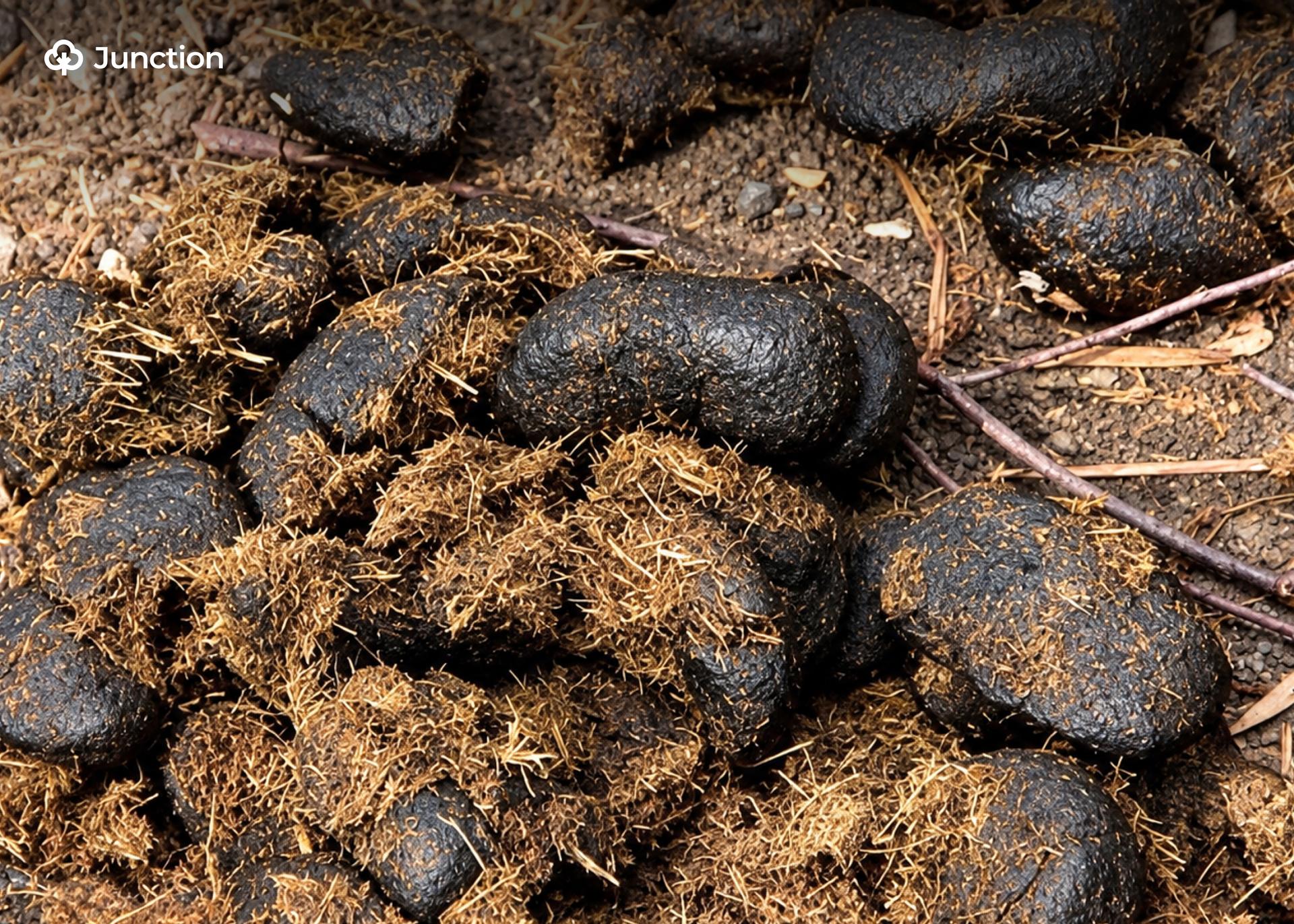
Abattoirs generate a significant volume of biodegradable waste, including animal blood, manure, rumen contents, wastewater and other residues. When waste is not managed properly, it can accumulate around slaughter facilities and contribute to sanitation problems and pollution of nearby water resources.
Mustapha said the proposed approach would bring biotechnology research into practical waste-management and renewable-energy applications. Rather than treating abattoir waste solely as a disposal problem, the partnership seeks to examine how some of the material can be processed into products with economic and environmental value.
EHCON Registrar, Dr Yakubu Baba, said the agreement shows how collaboration between public institutions could help address environmental health challenges while making productive use of resources.
Selected Abattoirs to Serve as Starting Point
The Joint Technical Committee will implement the strategy and oversee identification of suitable facilities, capacity building, technology transfer and assessment of environmental and public health outcomes.
The agencies will start selecting abattoirs rather than attempting to deploy the technology nationwide. Mustapha said technical assessments would first establish the daily waste volume generated at each location, available space, water supply and energy requirements.
The findings will help determine the appropriate size and design of digestion systems for individual facilities. They will also assess whether the biogas produced can supply nearby facilities or meet specific energy needs within the abattoirs.
This site-specific approach is crucial because the amount and composition of waste generated varies between facilities, as do their energy and infrastructure requirements.

Chinwendu Ohabughiro
Chinwendu Gift Ohabughiro is a Lagos-based content writer and communications specialist passionate about people-centered stories that inspire change. A lifelong learner, she loves exploring languages, culture, storytelling—and anything involving chocolate.
Comments
More Articles Like This


