Latest news, analysis and data in the agriculture sector.
news
Nigeria Faces 2 Million Tonnes Fish Deficit as Imports Continue to Drain Economy
By Obinna Onwuasoanya | Sep 28, 2025 | 0 comments

News in brief:
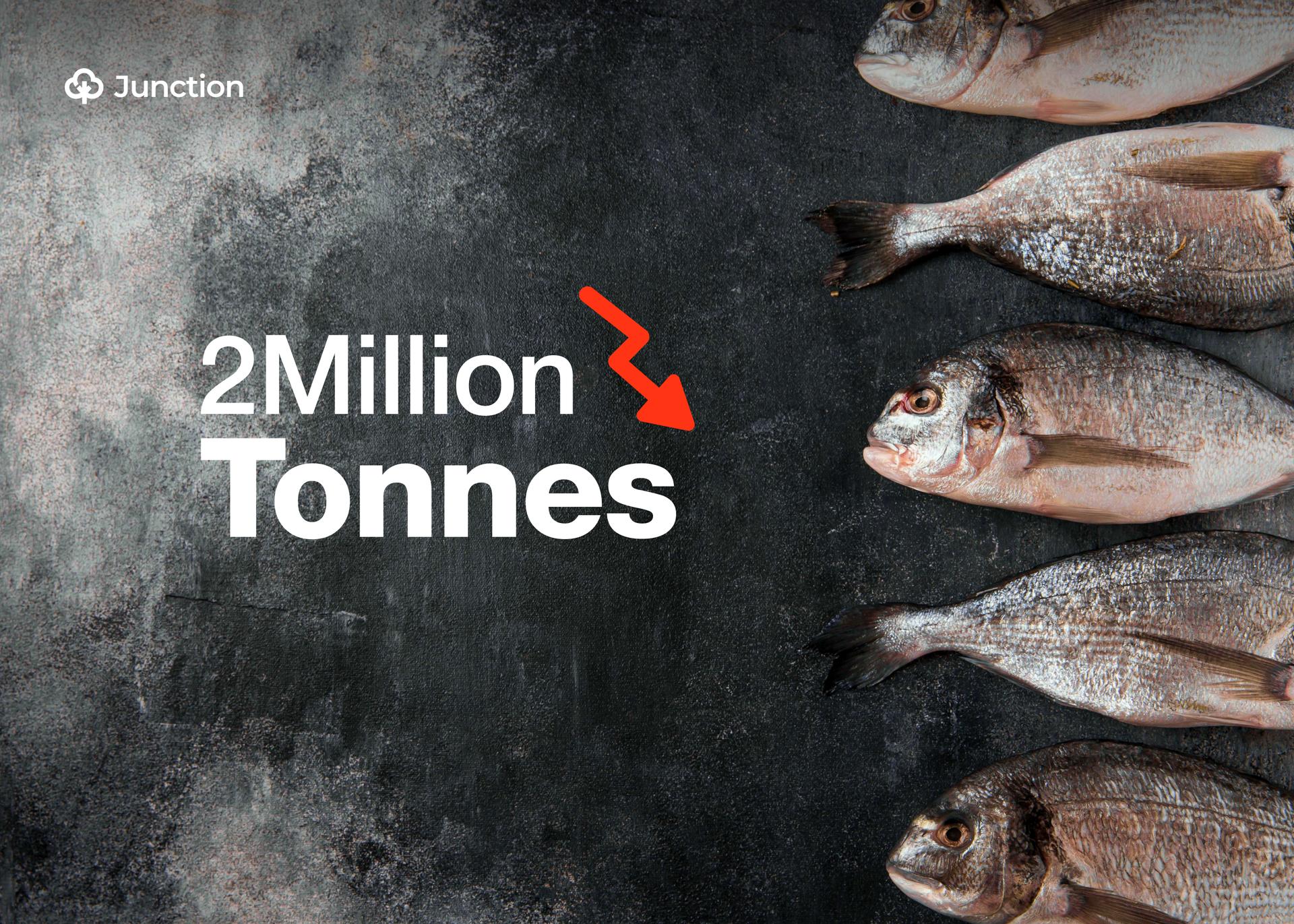
-Nigeria produces only 1.6 million of the 3.6 million metric tonnes of fish needed annually, leaving a two-million-tonne shortfall filled by costly imports that weaken the economy and reduce local job opportunities.
-Stakeholders are advocating for affordable credit, a fisheries development fund, and private-sector partnerships, arguing that these are critical to unlocking the potential of Nigeria’s aquaculture sector and improving food security.
Nigeria is battling a massive fish supply shortfall of about two million metric tonnes every year, according to the Fisheries Cooperative Federation of Nigeria Limited (FCFN). Despite the country’s huge demand for fish, local farmers can only produce around 1.6 million out of the 3.6 million metric tonnes needed annually, leaving a wide gap that is plugged with costly imports.
Heavy Dependence on Imports
Speaking in Lagos at a stakeholders’ engagement meeting organised by the Ministry of Marine and Blue Economy, the Acting National President of FCFN, Mashi Gabriel Sani, explained that this deficit puts pressure on Nigeria’s economy. He noted that fish imports drain scarce foreign exchange and export jobs that could have empowered local farmers and processors.
“With a national demand of over 3.6 million metric tonnes of fish, our domestic production falls short by more than two million metric tonnes. This deficit is currently being met through costly imports, which not only drain our foreign reserves but also export much-needed jobs beyond our shores,” Sani said.
The Biggest Obstacle for Farmers
Sani pointed out that small-scale fish farmers, who make up the bulk of the industry, face limited access to affordable credit. High interest rates from commercial banks often lock them out of profitable loans, making expansion almost impossible.
To address this, he called for the creation of a Fisheries and Aquaculture Development Fund. He suggested that the fund should operate at a single-digit interest rate and be managed by a reputable development finance institution, with repayment terms designed to match the natural cycles of fish farming. For example, aquaculture (fish rearing in controlled environments) requires several months before farmers can harvest, so loan repayment plans must align with production timelines.
Government’s Role and the Need for Partnerships
Also speaking at the event, the Permanent Secretary of the Federal Ministry of Marine and Blue Economy, Olufemi Oloruntola, stressed that the government alone cannot solve the sector’s funding challenges. He admitted that the ministry’s annual budget allocation is far below what is needed to unlock the industry’s potential.
Oloruntola emphasised the importance of private sector partnerships, especially in strengthening institutions, investing in infrastructure, and developing public lands for aquaculture and fisheries.
Why It Matters for Farmers and Nigeria’s Economy
Fish is one of the most consumed sources of protein in Nigeria, providing affordable nutrition for millions of households. Closing the production gap would not only reduce dependence on imports but also create jobs, increase income for farmers, and strengthen food security. Experts believe that with the right financing, Nigeria’s fisheries sector could become a major contributor to both rural livelihoods and national revenue.

Obinna Onwuasoanya
Obinna Onwuasoanya is a Lagos-based tech reporter, editor, and SEO specialist with over seven years of professional writing experience. A versatile storyteller, he also works as a ghostwriter and fiction author, with his works featured in leading online and print publications. In 2018, he was shortlisted for the prestigious Writivism Short Story Prize.
Comments
More Articles Like This


