Latest news, analysis and data in the agriculture sector.
news
Nigeria Needs Up To 7,000 Cold Trucks To Cut Food Losses
By Chinwendu Ohabughiro | Feb 25, 2026 | 0 comments

News in brief:
-A West African tech advocacy organisation says Nigeria needs up to 7,000 refrigerated trucks to close gaps in cold chain logistics and reduce annual food losses of about ₦5 trillion.
-Experts emphasise transport, pre-cooling centres and digital traceability as critical components of a functional nationwide cold chain system.
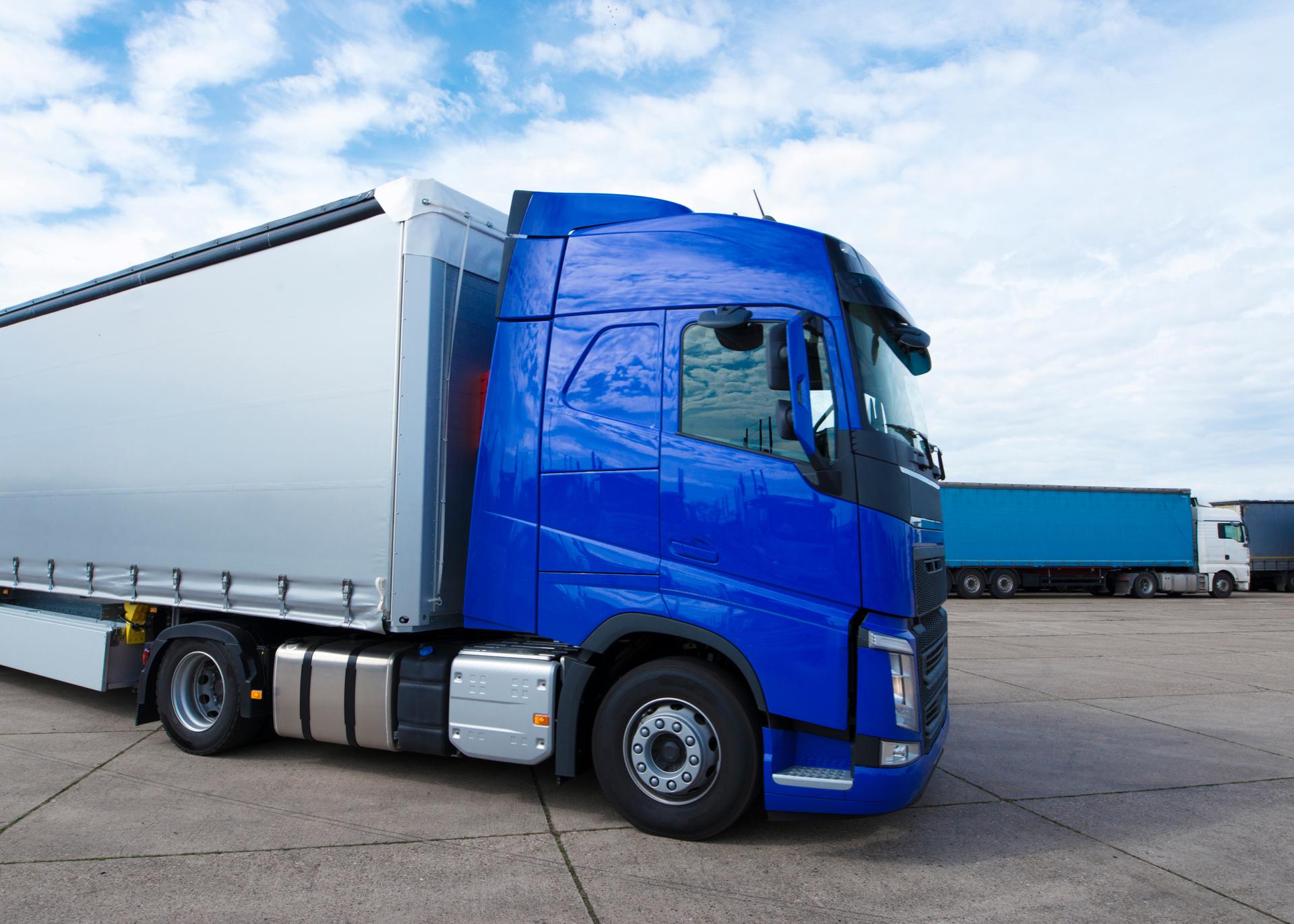
The Organisation for Technology Advancement of Cold Chain in West Africa (OTACCWA) claims that Nigeria requires between 6,000 and 7,000 refrigerated trucks to effectively tackle post-harvest losses, which are estimated at ₦5 trillion annually.
President of the organisation, Alexander Isong, disclosed this in Lagos, explaining that earlier projections of 5,000 trucks represented only a minimum benchmark.
He noted that a broader nationwide assessment revealed the need for a significantly larger fleet to ensure adequate coverage across rural production zones and major distribution corridors.
Transport Identified as Critical Missing Link
Isong described transport as the “critical missing link” in Nigeria’s cold chain ecosystem, stressing that storage facilities alone cannot resolve post-harvest losses without efficient cold mobility.
He stated that achieving national coverage would require a structured mix of small last-mile refrigerated trucks, medium-scale distribution vehicles, and heavy-duty long-haul cold transport systems.
Beyond transportation, he highlighted the importance of establishing pre-cooling centres close to farms to reduce spoilage within hours of harvest.
He also advocated digital traceability systems capable of monitoring temperature compliance throughout the supply chain to ensure quality assurance and regulatory compliance.
Implications for Food Prices and Trade
Isong, who also serves as Nigeria's Country Director for the World Agriculture Forum, said scaling cold chain logistics would stabilise food prices, improve farmers’ incomes, and significantly reduce waste.
He added that stronger refrigerated transport infrastructure would enhance Nigeria’s competitiveness in regional trade under the African Continental Free Trade Area.
According to him, a cold chain is a temperature-controlled supply system designed to preserve perishable goods, pharmaceuticals and chemicals from production to consumption, safeguarding quality, safety and shelf life.
Policy Push and Investment Drive
OTACCWA is expected to intensify advocacy for policy support, industry collaboration and increased investment in cold chain infrastructure, including standards development and sustainable technology adoption.
Stakeholders are also calling for strengthened public-private partnerships to expand refrigerated transport capacity nationwide.
Industry experts maintain that bridging Nigeria’s cold transport deficit with thousands of refrigerated trucks and complementary infrastructure is essential to reducing food waste, strengthening food security and enhancing agricultural competitiveness.

Chinwendu Ohabughiro
Chinwendu Gift Ohabughiro is a Lagos-based content writer and communications specialist passionate about people-centered stories that inspire change. A lifelong learner, she loves exploring languages, culture, storytelling—and anything involving chocolate.
Comments
More Articles Like This


