Latest news, analysis and data in the agriculture sector.
news
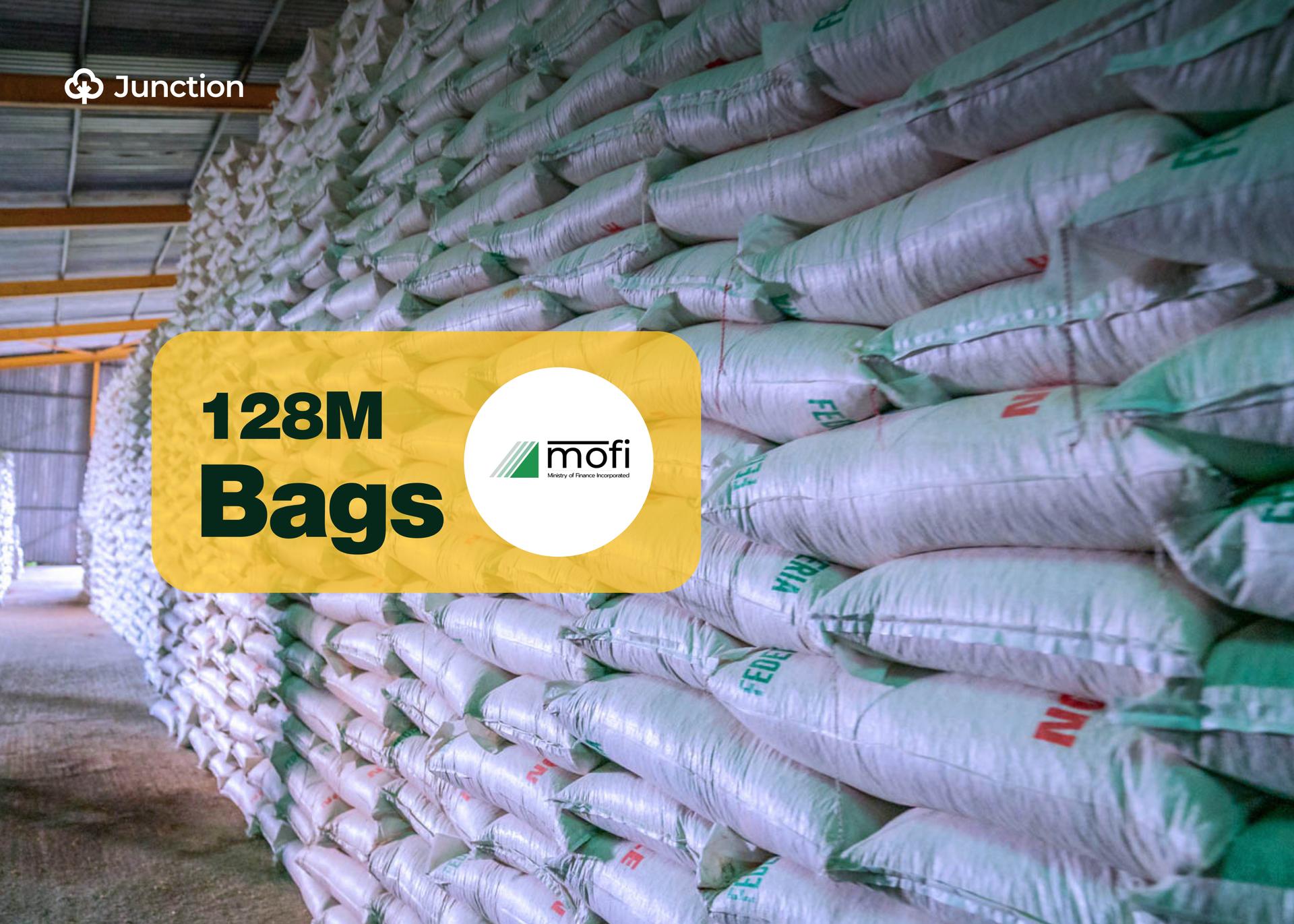
Nigeria Produced 128 Million Bags of Fertiliser in Past 9 Years
By Obinna Onwuasoanya | Sep 18, 2025 | 0 comments

News in brief:
-Nigeria has produced 128 million bags of fertiliser through the PFI since 2016, improving access for smallholder farmers and reducing reliance on imports.
-The current phase, PFI 3.0, is strengthening raw material supply chains and preparing for MOFI’s takeover from NSIA to make fertiliser access more reliable and sustainable.
For years, access to affordable and reliable fertiliser has been one of the toughest challenges facing Nigerian farmers. Now, fresh data from the Ministry of Finance Incorporated (MOFI) shows that a total of 128 million bags of fertiliser have been locally produced and distributed across the country in the last nine years through the Presidential Fertilizer Initiative (PFI). Experts say this effort is reshaping agricultural development in Nigeria and may hold the key to food security for millions.
Tackling Fertiliser Shortages in Nigeria
Fertiliser is one of the most important inputs in crop production, yet many farmers in Nigeria have struggled to access it due to high prices and erratic supply. To solve this, the Federal Government launched the Presidential Fertilizer Initiative on December 23, 2016, under the late President Muhammadu Buhari.
The program was designed to revive local blending plants, reduce dependency on imports, and make fertiliser readily available to Nigerian farmers at affordable rates. By producing locally, the initiative has helped reduce delays that usually come with importing raw materials.
Progress Under PFI 3.0
According to MOFI, the current phase, PFI 3.0, is focusing on securing a consistent flow of raw materials for blending plants across the country. The goal is to make Nigeria self-sufficient in fertiliser production, ensuring farmers have what they need not just for food crops like rice, maize, and cassava, but also for industrial crops such as cotton and sugarcane.
“As of September 2025, more raw materials have already been supplied or ordered than the total supplied in 2024,” MOFI noted in its statement. “Additional agreements have also been concluded with fertiliser raw material manufacturers to stock warehouses nationwide.”
Data Shows Steady Growth
Between 2022 and 2025, 48 vessels delivered raw materials such as urea, diammonium phosphate (DAP), and potash, key ingredients for producing fertiliser. In 2025 alone, 10 vessels have already discharged over 560,000 metric tonnes of inputs at Nigerian ports.
This steady supply chain is critical, especially for smallholder farmers who depend on timely access to fertiliser to boost yields. Without fertiliser, yields of crops like cassava and maize can fall by more than half, leaving farmers with lower incomes and threatening national food security.
Building a Sustainable System
Dr Armstrong Ume Takang, Managing Director and Chief Executive Officer of MOFI, stressed that the initiative is not only about numbers but about building a sustainable system for Nigerian agriculture.
“The focus of PFI extends beyond mere volumes. We are working to ensure that the system is reliable, affordable, and capable of supporting Nigerian farmers season after season,” he said.
By November 2025, MOFI is set to take over operational management of the initiative from the Nigeria Sovereign Investment Authority (NSIA). Experts believe this transition could strengthen accountability and further improve efficiency.
What This Means for Nigerian Farmers
For farmers in Nigeria, particularly those cultivating staple crops like cassava, rice, and maize, the progress under the PFI means better access to fertiliser during planting seasons. This could translate to higher yields, improved incomes, and greater resilience against the threats of climate change and food shortages.
Globally, the initiative positions Nigeria as a player in the agricultural inputs market, reducing its dependence on imports and potentially opening up opportunities to supply fertiliser to neighbouring countries in West Africa.
The challenge now, analysts say, is ensuring that distribution is fair and that the benefits of this initiative reach the smallholder farmers who form the backbone of food production in Nigeria.

Obinna Onwuasoanya
Obinna Onwuasoanya is a Lagos-based tech reporter, editor, and SEO specialist with over seven years of professional writing experience. A versatile storyteller, he also works as a ghostwriter and fiction author, with his works featured in leading online and print publications. In 2018, he was shortlisted for the prestigious Writivism Short Story Prize.
Comments
More Articles Like This


