Latest news, analysis and data in the agriculture sector.
news
Nigeria Seeks AfDB’s Financing Agreement to Expand Agro-Processing Hubs to 24 States
By Obinna Onwuasoanya | Sep 29, 2025 | 0 comments

News in brief:
-Nigeria is seeking AfDB’s financial commitment to expand its agro-industrial zone project from 8 states to 24.
- -With a focus on climate-resilient infrastructure and value-added agriculture, it aims to empower smallholder farmers with processing facilities, reduce food imports, create jobs, and position Nigeria as a regional agribusiness hub.
Nigeria spends billions annually on food imports despite having vast arable land and diverse agro-ecological zones. Experts say this dependence is unsustainable. According to the African Development Bank (AfDB), Africa loses up to $35 billion each year on food imports instead of investing in local production and value addition.
Against this backdrop, Nigeria is seeking more funding from AfDB to deepen the Special Agro-Industrial Processing Zones (SAPZ) initiative. The goal is simple but ambitious: transform Nigeria from a mono-product, oil-dependent economy into a hub for value-added agriculture.
Scaling Up SAPZ from 8 States to 24
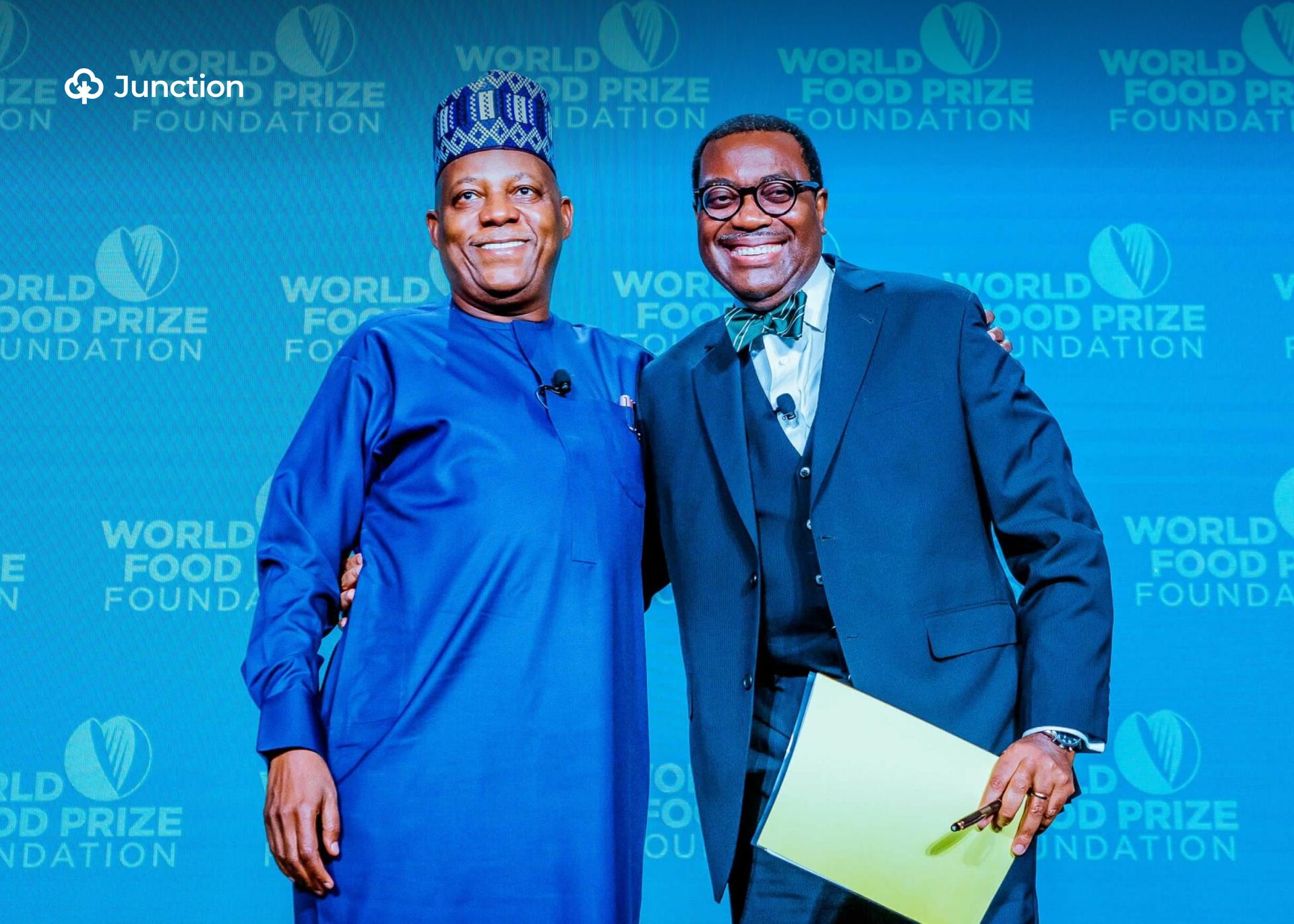
Vice President Kashim Shettima, speaking at the sidelines of the 80th United Nations General Assembly in New York, requested AfDB’s stronger financial backing for the second phase of SAPZ.
Phase 1 covered 8 states and the FCT. Phase 2 aims to expand to 24 additional states, focusing on building climate-resilient infrastructure and agro-processing hubs that link farmers to markets. These hubs will process raw crops into finished goods, rice into flour, cassava into starch, and tomatoes into paste, so farmers earn more and Nigeria saves scarce foreign exchange.
“We are poised to diversify our mono-product economy into agriculture, especially value-added exports. Nigeria’s soils can grow almost anything, from the mangrove swamps in the south to the Sahel in the north,” Shettima said.
Why Value Addition Matters for Nigerian Farmers
At present, most Nigerian farmers sell crops raw. This keeps incomes low and exposes produce to post-harvest losses. SAPZs are designed to change that. By clustering farmers around modern processing facilities, they can turn perishable crops into durable products that fetch higher prices.
For instance:
- Cassava farmers could sell processed garri or starch instead of raw tubers.
- Rice farmers could access integrated mills that improve quality for both local and export markets.
- Tomato farmers could reduce waste by producing paste and concentrate.
These are the opportunities SAPZ Phase 2 seeks to unlock across the 24 states.
Mobilising Global Capital
AfDB President, Dr Sidi Ould Tah, assured Nigeria of strong support. Although he emphasised that the bank is not just a lender, it wants to be a catalyst for mobilising global resources.
His strategy for Africa rests on four pillars:
- Mobilising large-scale capital through partnerships.
- Reforming Africa’s financial architecture.
- Turning Africa’s youth population into an economic advantage through jobs.
- Industrialising agriculture by adding value to natural resources.
“We hope to bring in capital that will transform the continent and add real value to the agricultural sector,” Dr Tah said.
Environmental and Food Security Links
Nigeria’s request is also tied to broader sustainability goals. The Minister of Environment, Balarabe Lawal, urged AfDB to support Nigeria’s Great Green Wall Project, which fights desertification in the north. Without healthy land and pastures, food production and livestock rearing remain under threat.
The Minister of Housing, Ahmed Dangiwa, also highlighted how agro-industrial growth links to housing and rural development, stressing that funding must cut across interconnected sectors.
How Nigerian Farmers Benefit
For smallholder farmers who currently produce over 90% of Nigeria’s food, the SAPZ expansion could be a turning point. If implemented effectively, it promises:
- Access to processing facilities that cut post-harvest losses.
- Better market linkages with local and global buyers.
- Job opportunities in farming, processing, logistics, and packaging.
- Increased incomes from value-added exports.
But challenges remain: farmers need affordable credit, strong cooperatives, and consistent government backing to fully tap into these opportunities.

Obinna Onwuasoanya
Obinna Onwuasoanya is a Lagos-based tech reporter, editor, and SEO specialist with over seven years of professional writing experience. A versatile storyteller, he also works as a ghostwriter and fiction author, with his works featured in leading online and print publications. In 2018, he was shortlisted for the prestigious Writivism Short Story Prize.
Comments
More Articles Like This


