Latest news, analysis and data in the agriculture sector.
news
Nigeria Targets Inflation, Imports With ‘Back to the Farm’ Initiative
By Chinwendu Ohabughiro | Jan 26, 2026 | 0 comments

News in brief:
-The Federal Government has launched a multi-dimensional 'Back to the Farm' initiative to tackle food insecurity and inflation.
-Food security is now positioned as a macroeconomic, security, and governance priority under the Renewed Hope Agenda.
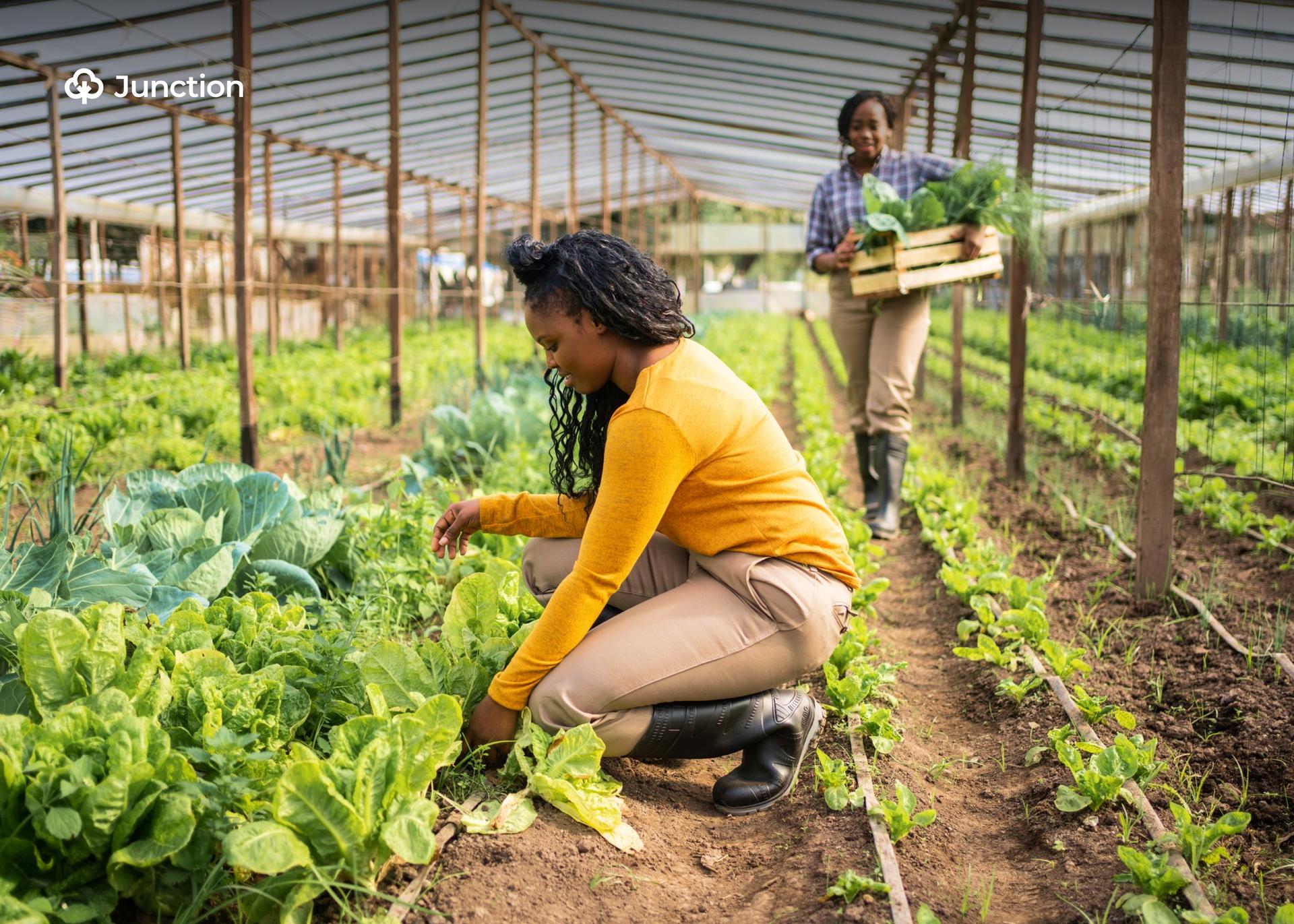
The Federal Government has announced the commencement of a multi-dimensional agricultural drive, tagged the 'Back to the Farm' initiative, as part of broader efforts to address persistent food insecurity across Nigeria.
Vice President Kashim Shettima disclosed this on Thursday while speaking on a panel titled When Food Becomes Security at the Congress Centre during the 56th World Economic Forum (WEF) meeting in Davos, Switzerland.
The disclosure was contained in a statement issued by Stanley Nkwocha, Senior Special Assistant to the President on Media and Communications at the Office of the Vice President.
Food Security Repositioned as a Macroeconomic Priority
According to the Vice President, Nigeria no longer views food security solely through an agricultural lens but as a core macroeconomic, security, and governance issue.
“In Nigeria, we don’t look at food security purely as an agricultural issue. It is a macroeconomic, security and governance issue. Our focus is to use food security as a pillar for national security, regional cohesion and stability,” Shettima said.
He explained that the initiative is designed to curb inflation, reduce foreign exchange spending on food imports, insulate Nigeria from global supply shocks, and restore productivity in key food-producing regions.
Cost-of-Living Crisis and Food Inflation
Nigeria has grappled with a severe cost-of-living crisis in the months leading up to 2026, largely triggered by economic reforms, including the removal of petrol subsidies and the floating of the naira.
These policies led to sharp price increases, with food inflation peaking before moderating following the rebasing of the Consumer Price Index (CPI) by the National Bureau of Statistics (NBS).
Despite intervention measures such as food subsidies and a revised minimum wage, food prices remain elevated, while purchasing power continues to decline for many households.
The crisis has sparked nationwide hunger protests and, during the 2024 festive season, fatal stampedes were recorded during relief food distributions in several locations.
Structural Drivers of Food Insecurity
Beyond policy implementation challenges, food system experts have consistently identified climate change, weak post-harvest handling, inadequate storage and transportation infrastructure, and poor market regulation as major contributors to Nigeria’s food insecurity.
In a fresh warning, the United Nations Office for the Coordination of Humanitarian Affairs (OCHA) in Nigeria said that about 35 million Nigerians are at risk of acute hunger this year.
The VP noted that the new strategy builds on earlier efforts, including the Nutrition 774 Initiative, unveiled in October 2024, to improve nutrition outcomes across all 774 local government areas.
He explained that the programme is designed to resettle displaced farmers by providing agricultural inputs, insurance, and access to capital to restart food production.
Three Pillars of Nigeria’s Food Security Strategy
Shettima stated that Nigeria’s food security strategy is anchored on three pillars: increased food production, environmental sustainability, and deeper regional integration within West Africa.
He noted that global supply chain disruptions have compelled Nigeria to rebuild resilient food systems tailored to its diverse ecological zones.
“In the Sahelian North, we are dealing with desertification, deforestation and drought. In the riverine South and parts of the North Central, flooding is our major challenge,” he said.
To address these challenges, the government is promoting drought-resistant, flood-tolerant and early-maturing crop varieties, while redesigning food systems in flood-prone areas to withstand climate shocks.
Security and Access to Farmland
Security remains a major constraint, especially as many conflict-affected areas double as Nigeria’s primary food baskets.
“Most of the food baskets of our nation are security-challenged. That is why we are creating food security corridors and strengthening community-based security engagements so farmers can return safely to their land,” the Vice President said.
Addressing macroeconomic vulnerabilities, Shettima identified import dependence and foreign exchange volatility as key drivers of food inflation.
“We largely import wheat, sugar and dairy products. Our strategy is to accelerate local production and promote substitutes such as sorghum, millet and cassava flour to correct these structural imbalances,” he said.
Regional Integration and AfCFTA Focus
The Vice President urged African leaders to deepen collaboration under the African Continental Free Trade Area (AfCFTA), stressing that intra-African trade has become increasingly necessary amid global economic realignments.
He expressed optimism that the Renewed Hope Agenda reforms would translate climate adaptation efforts into tangible outcomes and significantly boost intra-African trade beyond its current level of 10.7 per cent.

Chinwendu Ohabughiro
Chinwendu Gift Ohabughiro is a Lagos-based content writer and communications specialist passionate about people-centered stories that inspire change. A lifelong learner, she loves exploring languages, culture, storytelling—and anything involving chocolate.
Comments
More Articles Like This


