Latest news, analysis and data in the agriculture sector.
news
Nigeria’s Agric Ministry Announces Rainfed Wheat Innovation to Cut Imports
By Obinna Onwuasoanya | Oct 13, 2025 | 0 comments

News in Brief:
-Nigeria spends about ₦970 billion yearly on wheat imports due to low local production, but a new rainfed wheat project in Plateau State aims to change that.
-The initiative, led by the Federal Government and partners, is expected to boost domestic wheat output, empower farmers, and move the country toward self-sufficiency.
Nigeria has been spending a large portion of its import bill on wheat due to a shortfall in local production. In a recent statement, Senator Abubakar Kyari estimated the value of these imports at about ₦970 billion annually.
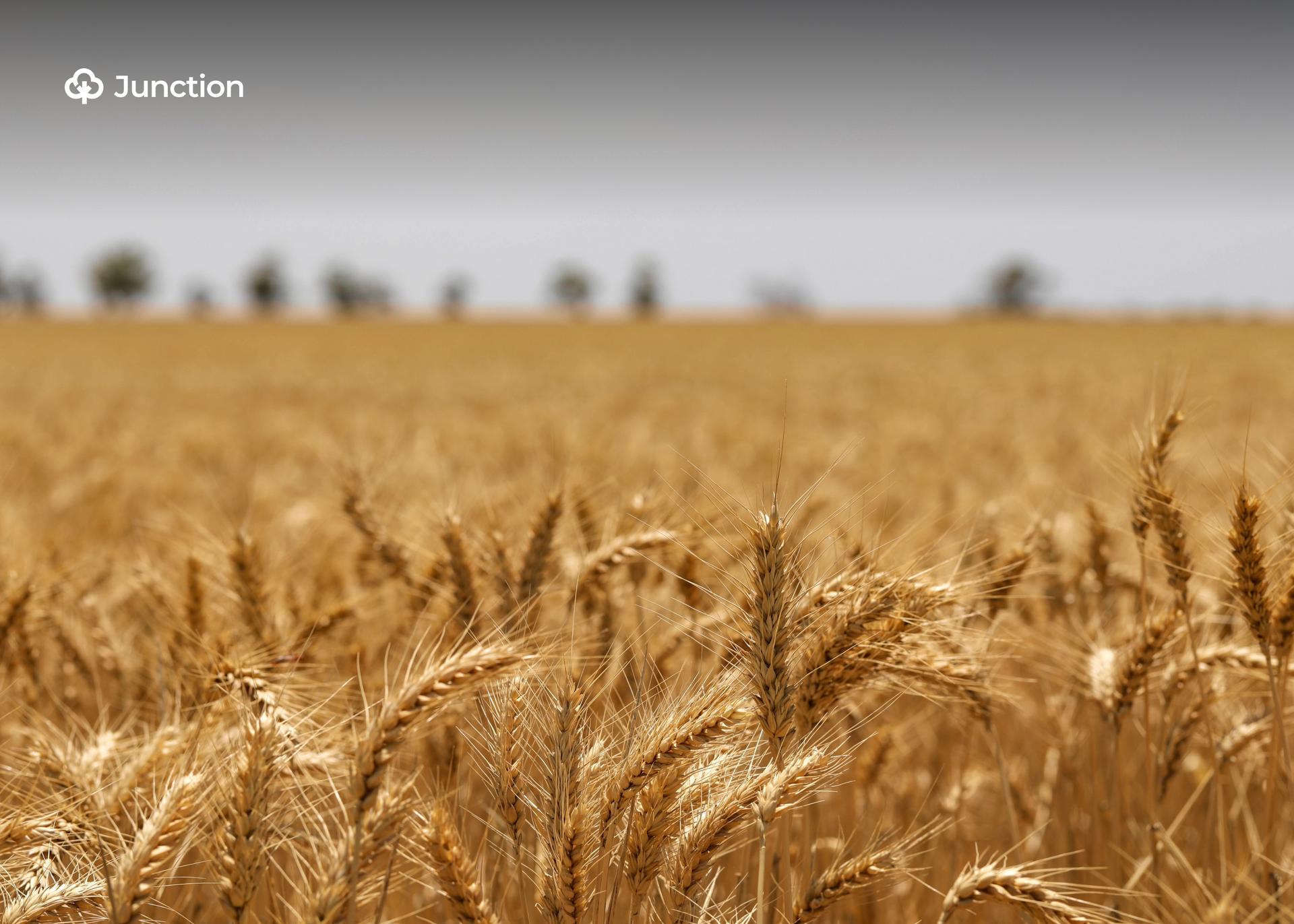
Earlier in October 2025, the Federal Government, in collaboration with other stakeholders, completed a transformational rainfed wheat project in Plateau State. This initiative is expected to boost wheat production in areas without irrigation. Farmers in the Jos and Obudu highlands are projected to benefit the most from this innovation.
“They’ll be able to grow wheat during the rainy season naturally, sustainably, and profitably. This opens the door to a future where our own farmers can meet the country’s wheat demand,” Minister Kyari stated.
Boosting Local Production Through Innovation
The Lake Chad Research Institute (LCRI) oversaw the development of the new wheat varieties. The institute has been working with partners such as the Consultative Group on International Agricultural Research (CGIAR), Olam Agri, and the Flour Milling Association of Nigeria (FMAN) to improve grain production.
Kyari also highlighted other initiatives by the Tinubu-led administration aimed at reducing food prices, minimising post-harvest losses, and empowering farmers. He mentioned the deployment of tractors for mechanisation, the recapitalisation of the Bank of Agriculture (BoA), and efforts to improve produce management systems.
Stakeholders Urged to Participate
The minister further urged key players — including farmers, researchers, and agribusiness owners — to support the drive to expand wheat cultivation nationwide by using certified seeds, embracing mechanisation, and ensuring access to reliable markets.
“I invite you to join us in scaling up this success. Together, we can build agro-industrial value chains that create jobs, reduce imports, and boost national income, transforming Nigeria from a country importing billions of naira worth of wheat annually into one that is self-sufficient and, ultimately, an exporter of quality Nigerian wheat,” he concluded.

Obinna Onwuasoanya
Obinna Onwuasoanya is a Lagos-based tech reporter, editor, and SEO specialist with over seven years of professional writing experience. A versatile storyteller, he also works as a ghostwriter and fiction author, with his works featured in leading online and print publications. In 2018, he was shortlisted for the prestigious Writivism Short Story Prize.
Comments
More Articles Like This


