Latest news, analysis and data in the agriculture sector.
data
Nigeria’s Inflation Rises to 15.38% in March as Monthly Price Pressures Intensify
By Obinna Onwuasoanya | Apr 16, 2026 | 0 comments

Two questions answered in this article:
-Why is Nigeria’s inflation rising again in March 2026 despite lower year-on-year rates?
-What are the current trends and regional differences in food inflation across Nigeria?
Nigeria’s inflation rate recorded a slight uptick in March 2026, with new data showing increased pressure on consumer prices, particularly on a month-on-month basis.
According to the latest figures, the Consumer Price Index (CPI) rose to 135.4 in March, marking a 5.4-point increase from 130.0 recorded in February. Headline inflation climbed to 15.38% year-on-year, up from 15.06% in the previous month, indicating a modest but continued rise in overall price levels.
Despite the increase, inflation remains significantly lower than the 27.35% recorded in March 2025, reflecting a broader slowdown in annual price growth. However, the month-on-month trend paints a more concerning picture. Inflation rose sharply by 4.18% in March, compared to 2.01% in February, suggesting that the pace at which prices are increasing is accelerating in the short term.
Food Inflation Shows Mixed Trends
Food inflation, a key driver of household expenses, presented mixed signals during the period. On a year-on-year basis, food inflation stood at 14.31% in March, down from 25.22% in the same period last year, indicating some relief compared to 2025 levels.
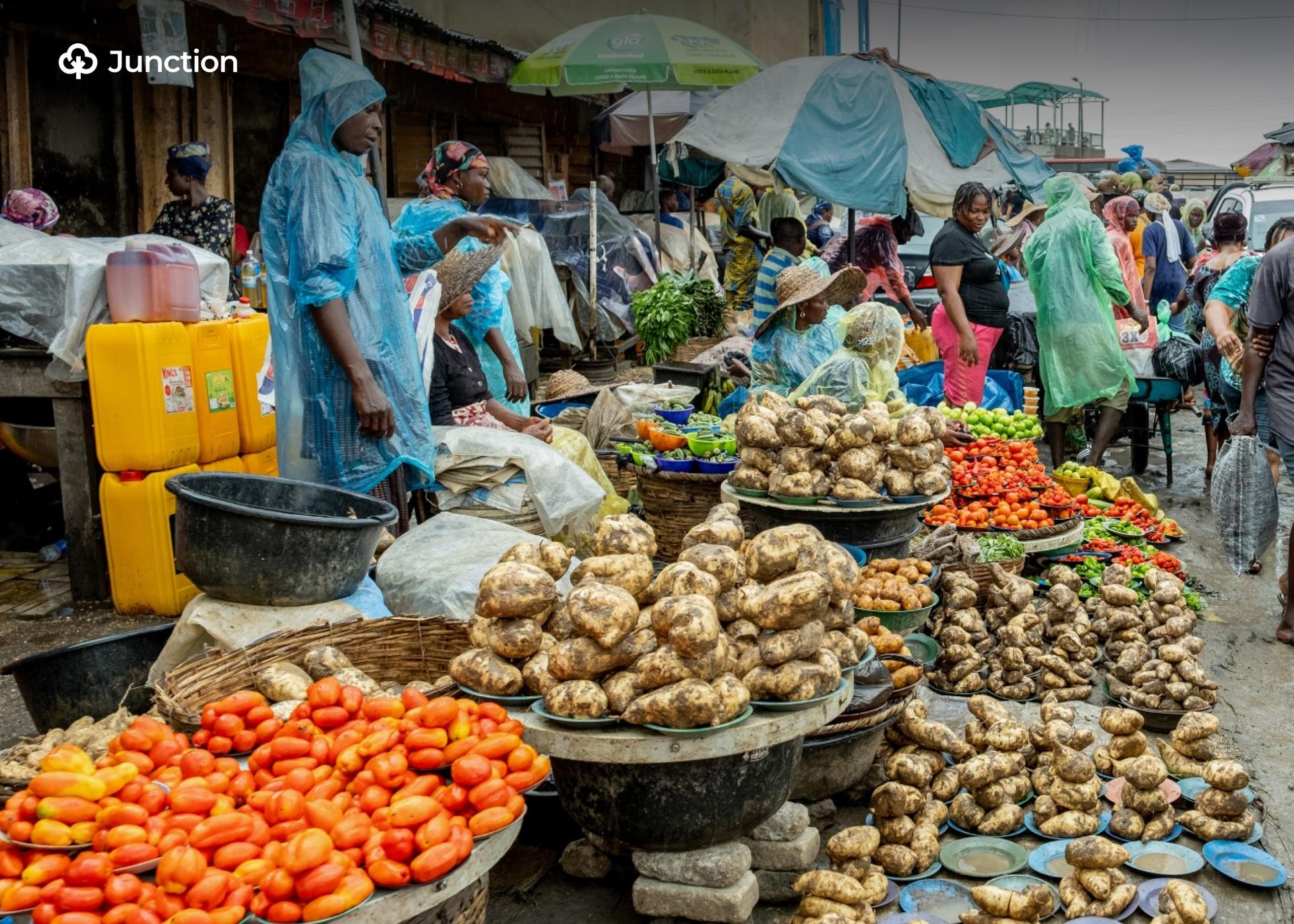
Also, monthly food inflation eased slightly to 4.17%, compared to 4.69% in February. The moderation was attributed to changes in the prices of staple items such as yams, fresh ginger, cassava tubers, groundnuts, Irish potatoes, ogbono, fresh tomatoes, and cassava flour.
The average annual food inflation rate for the 12 months ending March 2026 was 18.21%, a sharp improvement from 36.02% recorded a year earlier. This further suggests that while long-term food price pressures are easing, short-term volatility remains.
Rising Costs and Regional Disparities Persist
Further breakdown shows that farm produce recorded an annual increase of 14% and a monthly rise of 4.6%, up from 3.7% in February. Imported food inflation remained relatively subdued, with a 7.2% year-on-year increase and a modest 1.1% monthly rise.
At the state level, disparities in food inflation remain pronounced. Bayelsa recorded the highest year-on-year food inflation at 33.35%, followed by Sokoto (28.02%) and Adamawa (21.67%). In contrast, Kano (4.29%), Oyo (4.86%), and Katsina (7.48%) saw the slowest increases.
On a month-on-month basis, Sokoto (11.78%), Niger (8.59%), and Gombe (8.10%) experienced the sharpest rises, while Katsina (0.09%), Ogun (0.77%), and Adamawa (1.30%) recorded the slowest growth.
The latest data highlights ongoing volatility in Nigeria’s food and consumer markets, with rising monthly costs continuing to strain household budgets despite improvements in annual inflation trends.

Obinna Onwuasoanya
Obinna Onwuasoanya is a Lagos-based tech reporter, editor, and SEO specialist with over seven years of professional writing experience. A versatile storyteller, he also works as a ghostwriter and fiction author, with his works featured in leading online and print publications. In 2018, he was shortlisted for the prestigious Writivism Short Story Prize.
Comments
More Articles Like This


