Latest news, analysis and data in the agriculture sector.
news
Nigeria's Northern Farmers to Adopt Brazil's Agribusiness Model
By Noah Aderoju | Apr 10, 2026 | 0 comments

News in Brief
-Dr Faruk Umar, on behalf of Northern Nigerian farmers, proposes the adoption of Brazil's agribusiness model to transform food production in the region.
-Key recommendation includes promotion of mechanisation, irrigation expansion, and a Nigerian agric expo similar to Brazil's Expodireto Cotrijal 2026, for global positioning.
Northern Nigerian farmers and stakeholders are calling for the adoption of Brazil's proven agribusiness model to fortify food security, ignite economic expansion, and foster sustainable progress across the region.
Chairman of Belradoos Limited, Dr Faruk Umar, delivered this compelling proposal on behalf of the All Farmers Association of Nigeria (AFAN) and fellow stakeholders at the 26th International Engagement Platform, Expodireto Cotrijal 2026, in Brazil.
Umar painted a vivid picture of agriculture's pivotal role in Nigeria's economy, particularly in the North, where it anchors livelihoods for countless households and fuels the national food basket. Yet, he sounded the alarm on surging food demands amid rapid population growth, with roughly 31 million Nigerians grappling with hunger today.
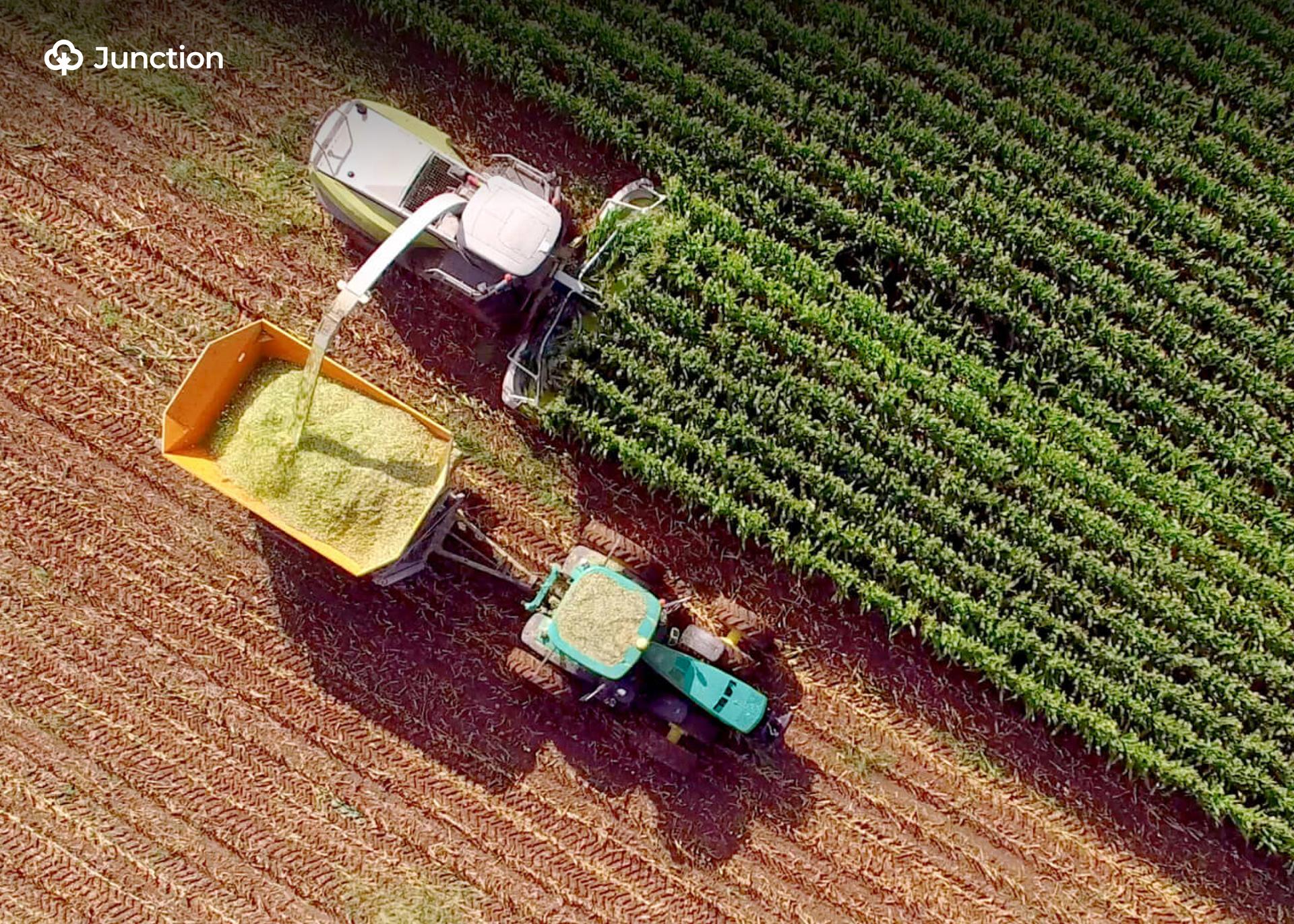
Drawing lessons from Brazil's remarkable journey of transforming from a 1970s net food importer to a current titan of global exports, Umar urged Nigeria to modernise through aggressive mechanisation, expanded irrigation, cutting-edge research, robust rural roads, slashed post-harvest losses, and climate-resilient farming.
Northern Nigeria's Untapped Goldmine
According to Dr Umar, the north is well-positioned for an agricultural renaissance with its over 30 million hectares of arable land, diverse ecological zones, seasoned farming populace, and gateways to West and North African markets. Livestock rearing and staple crop farming thrive in the region, positioning it as a food production powerhouse.
"Northern Nigeria possesses the land, population, and market potential to become one of Africa’s leading agricultural production hubs," Umar asserted.
He highlighted strengths in sesame, hibiscus, cashew, and cocoa exports. Yet, productivity falls short of global standards due to hurdles such as scarce modern tools, climate conditions, and weak agro-industrial support. All these issues, coupled with the fact that smallholder farmers, who dominate the food production sector in the country, farm with limited improved seeds or inputs.
Umar also noted Nigeria's irrigation shortfall, where less than 10 per cent of farmland is watered through irrigation, missing vast opportunities for year-round yields. These gaps stifle output despite the North's huge capacity to produce.
Mechanisation and Partnerships as the Way Out
Umar championed Nigeria's ongoing Brazil ties, including over $1 billion in pacts for mechanisation and training, as a launchpad. He called on local and foreign investors to key into farm machinery services, agro-processing, storage, logistics, and tech innovations in the country.
He also proposed the establishment of a Nigerian agribusiness exhibition platform similar to Brazil’s Expodireto Cotrijal, aimed at attracting global partnerships, promoting innovation, and improving access to international markets.
The farmers' head concluded by stressing that transforming agriculture in Northern Nigeria is essential not only for economic growth but also for ensuring long-term food security and sustainable national development.
“Reviving agriculture in Northern Nigeria is not merely an economic objective; it is a strategic imperative for food security, economic diversification and sustainable development. With coordinated policies, international collaboration and modern agricultural practices, Northern Nigeria can emerge as a global model for agricultural transformation in Africa,” Faruk stated.

Noah Aderoju
Noah Aderoju is a multimedia journalist and researcher with a passion for telling stories.
Comments
More Articles Like This


