Latest news, analysis and data in the agriculture sector.
news
Nigeria's Shea Export Ban Yields Early Gains in Local Processing
By Noah Aderoju | Mar 02, 2026 | 0 comments

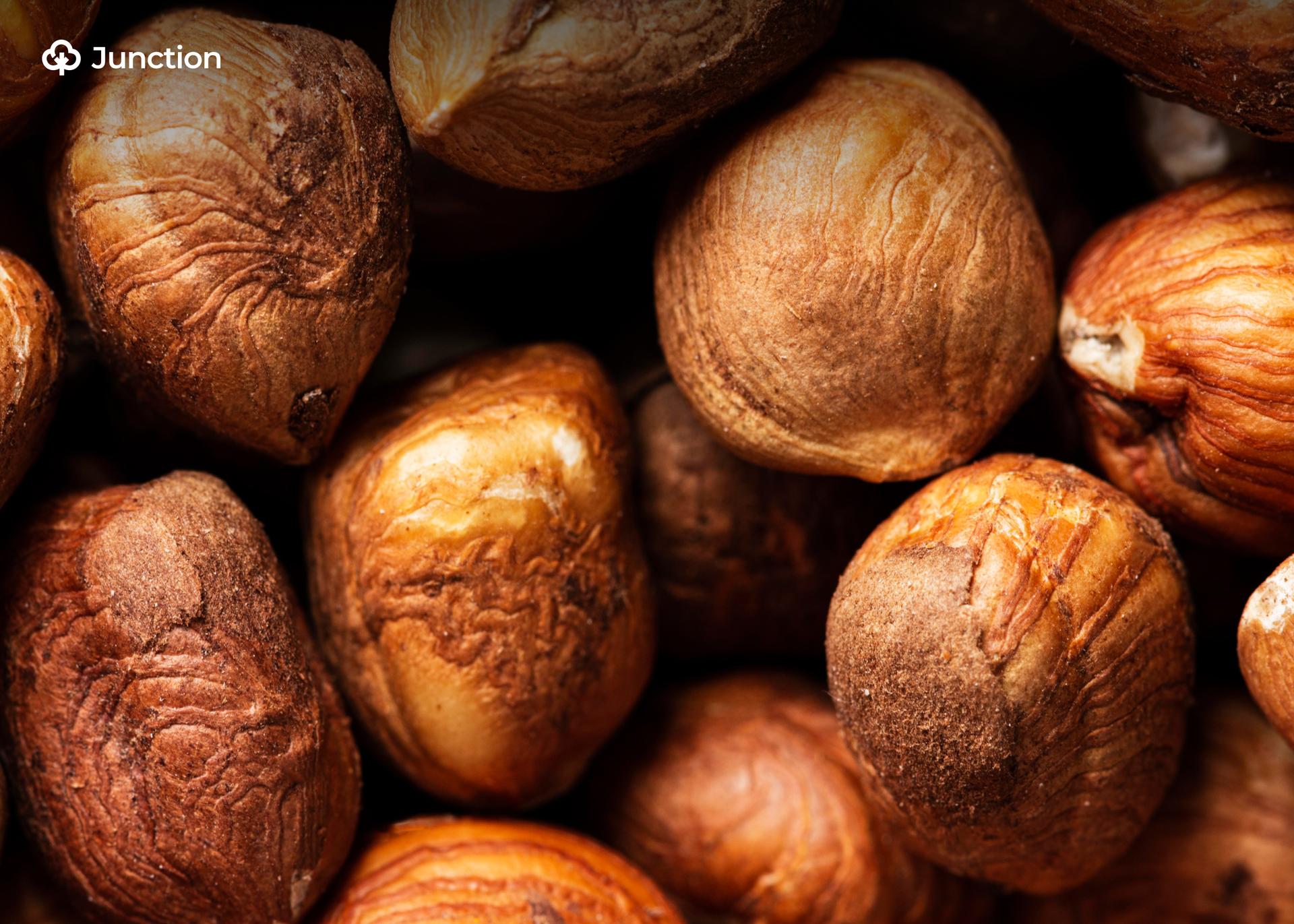
News in Brief
-Nigeria's raw shea nut export restriction is driving early gains as crude shea oil exports grew by five per cent to ₦1.31 billion in one quarter of 2025.
-This report shows how Nigeria's August 2025 six-month ban is gradually securing local processing and boosting local earnings from value addition.
A new industry report has revealed that Nigeria's strategic push to curb raw shea nut exports to promote domestic processing is gaining momentum, as crude shea oil exports recorded a five per cent increase within one year.
According to the report titled 'Keeping Value at Home', exports climbed from ₦1.25 billion in Q3 2024 to ₦1.31 billion in Q3 2025, signalling a tentative shift towards value addition in the sector.
This development aligns with the current administration's directive in August 2025 imposing a six-month temporary ban on raw shea nut exports, to curb informal trade and position Nigeria as a refined shea products hub.
Shea Nut Ban Turns to Profit Nigeria
Months after the ban immediately sparked a market reaction, findings by researchers now reveal that the policy designed to compel processors to refine nuts locally into butter and oil before export is actually yielding noticeable profits.
The report highlights that the noticed growth reflects a gradual shift away from raw commodity exports towards domestic value addition, a key pillar of Nigeria’s industrial strategy.
Nigeria, producing nearly 40% of the world's shea nuts, has historically captured less than one per cent of the $6.5 billion global market due to exporting unprocessed nuts. Rural women, who dominate collection, secure about 19.45% of profits, while primary processors take 13.55%; foreign marketers and retailers claim up to 67% by refining, branding, and selling finished cosmetics and confectionery.
Policy Drivers and Value Chain Shift
Researchers noted that at its core, the restriction addresses skewed profit distribution in the global shea value chain, where Nigeria risks remaining a raw material supplier.
Analysts note that advancing from raw nuts to karite oil and butter boosts margins by 19% to 21% over mere aggregation.
The report draws parallels with crude oil, where refining into petrochemicals or fuels multiplies value five to tenfold, and commodities like cocoa or timber that gain exponentially through processing.
“The conversation surrounding the restriction of raw shea nut exports is not merely a debate about trade,” the report states. “It is a debate about whether Nigeria is ready to capture the middle and top of the global value chain within the industry.” This mirrors broader industrial ambitions under the National Industrial Policy, which mandates consuming what Nigeria produces and value-adding exports. “Nigeria’s National Industrial Policy is built on the idea that we must consume what we produce and add value to what we export,” it adds.
The ban, effective immediately post-approval, secures supply for over 20 local plants previously idling below 30% capacity, amid regional trends like bans in Mali, Burkina Faso, and Togo.
Investment Needs for Full Industrialisation
While primary processing already shows promise with the five per cent crude oil surge, scaling to fractionation into high-margin stearin (cocoa butter equivalent for confectionery) and olein (cosmetics input) demands capital, technology transfer, and policy stability. “Industrialisation should move from catchy slogans to calculated economic strategies to capture wealth at higher levels of value chains that currently elude us,” the report urges.
Investors seek consistent enforcement to justify refineries, transforming Nigeria from a raw nut depot to a processing powerhouse.
“If the government maintains its consistency, it tells the world that Nigeria is no longer a place to just buy raw nuts, but a place to build refineries. This consistency is what transforms a trade policy into an industrial agenda,” it concludes.

Noah Aderoju
Noah Aderoju is a multimedia journalist and researcher with a passion for telling stories.
Nigeria shea nut export ban 2025 Tags: shea processingexport banvalue additionagric policyrural women empowermentTinubu agricultureshea butter industry
Comments
More Articles Like This


