Latest news, analysis and data in the agriculture sector.
news
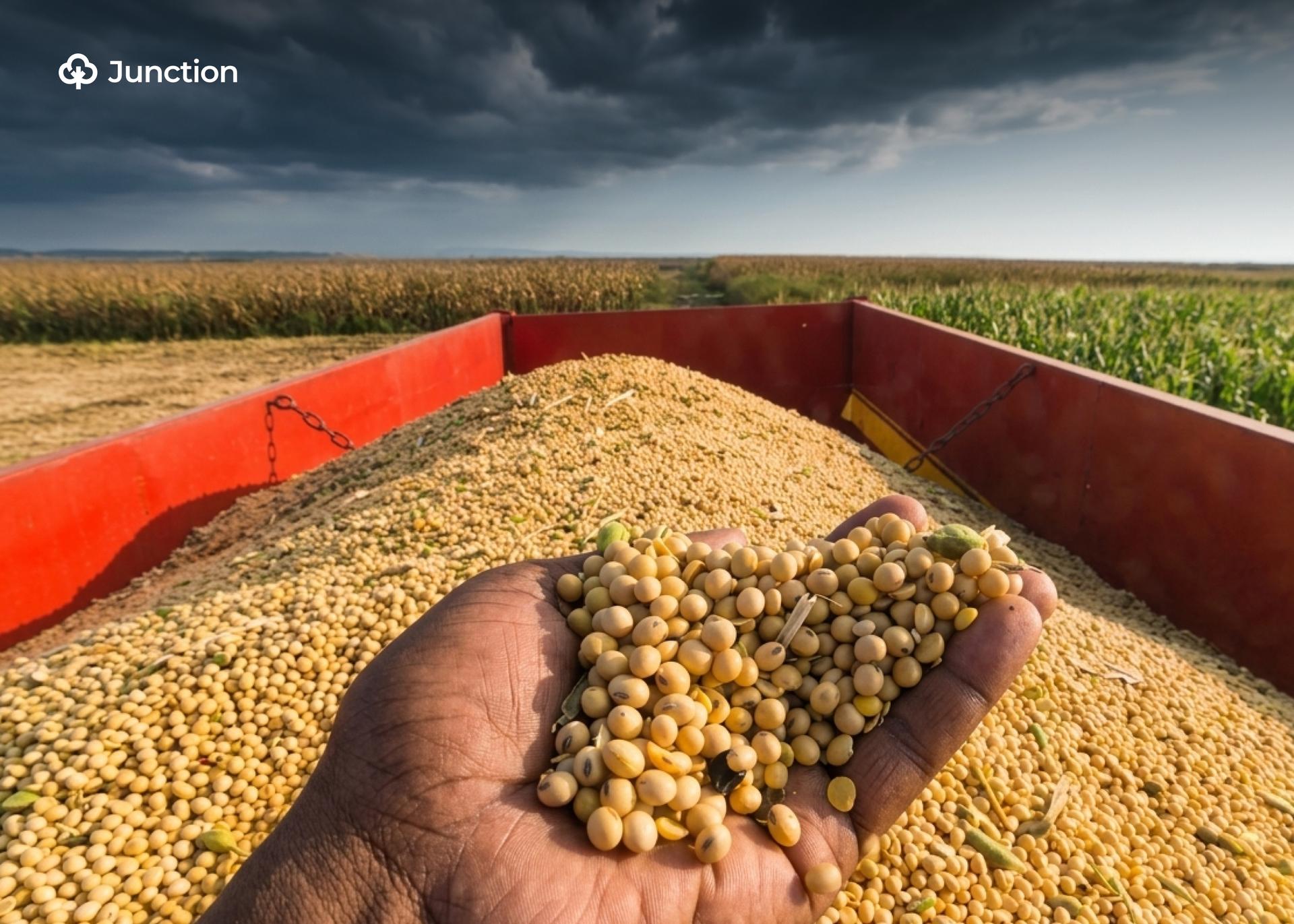
Sasakawa Africa Calls for Innovation in Maize, Soybean Farming
By Chinwendu Ohabughiro | Sep 18, 2026 | 0 comments

News in brief:
— Sasakawa Africa Association has urged farmers in Nasarawa State to adopt improved maize and soybean technologies to increase productivity
— The agency is offering farmers improved and biofortified maize varieties, access to inputs, digital extension, and more.
Sasakawa Africa Association (SAA), an International NGO, is encouraging farmers in Nigeria's northern state of Nasarawa to adopt new maize and soybean seed varieties. They claim that innovations will strengthen climate resilience and improve market access.
Dr Godwin Atser, SAA Nigeria's Country Director, made the call during an interaction with journalists in the Obi Local Government Area.
Climate Change Drives Need for Improved Varieties
Represented by the organisation’s Technical Coordinator for Climate Resilient and Agrifood Systems, Nathaniel Otene, Atser explained how changing weather conditions increase pressure on farmers. Adopting improved crop varieties that can perform under difficult conditions is increasingly necessary.
He added that the agency's interventions in Nigeria focus on regenerative agriculture, market-oriented agriculture, nutrition-sensitive agriculture, capacity building, digital extension services and inclusion.
“Our primary focus is enhancing farmer productivity, since productivity gains translate directly into higher income and improved livelihoods for smallholder farmers,” Atser declared.
Biofortified Maize Targets Nutrition
A biofortified maize variety was one of the innovations demonstrated to farmers. It is promoted for its nutritional content and yield potential. The demonstration plot showcased SAMMAZ 52, which contains the amino acids lysine and tryptophan, according to SAA representatives. The variety is also rich in vitamin A, a nutrient particularly important for children and women.
Jonathan Yassah, Programme Officer for Market-Oriented Agriculture under the Inclusive Market and Agribusiness Development programme, claimed that these two crucial amino acids are missing in common maize grains.
Lysine and tryptophan help build stronger muscles and are protein-rich. The crop could supplement the lack of meat in many Nigerian households' meals.
For farmers participating in the programme, the training has provided an opportunity to learn production techniques that differ from traditional approaches.
Audu Sunday Anzaku, a farmer from Tudun Adabu community, said the training had improved his understanding of modern farming practices.

Chinwendu Ohabughiro
Chinwendu Gift Ohabughiro is a Lagos-based content writer and communications specialist passionate about people-centered stories that inspire change. A lifelong learner, she loves exploring languages, culture, storytelling—and anything involving chocolate.
Comments
More Articles Like This


