Latest news, analysis and data in the agriculture sector.
news
Taraba Launches Statewide Artificial Insemination Programme to Boost Cattle Production
By Noah Aderoju | Aug 25, 2026 | 0 comments

News in Brief:
— Taraba State has launched a statewide artificial insemination programme, in partnership with L-PRES, to improve cattle genetics and boost milk and meat production.
— Officials say the initiative will give farmers access to superior bull genetics without the cost of keeping breeding bulls, with technical teams already deployed across the state.
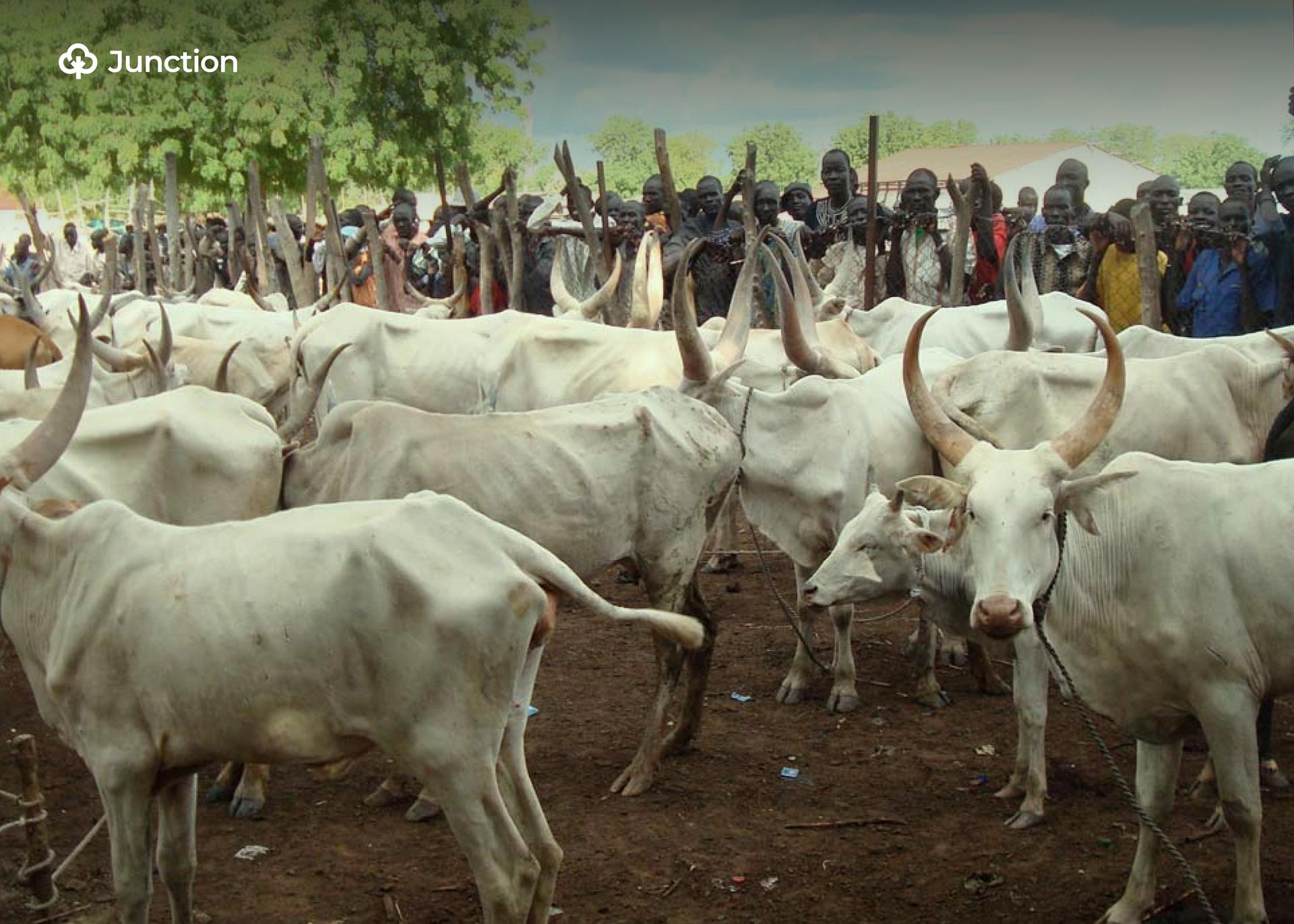
Taraba State Government has launched a statewide artificial insemination programme to increase livestock productivity by enhancing cattle genetics and boosting milk and meat production.
The programme is being executed in partnership with the Livestock Productivity and Resilience Support Project (L-PRES) to enhance herd productivity and increase the economic value of livestock farming across the state.
Adopting Modern Breeding Technology
While speaking at the flag-off ceremony, the managing director of the implementing company, Livestock Genetics Africa Ltd, Emmanuel Nnoku, said that adopting modern breeding technology such as artificial insemination would help transform livestock production in Taraba.
He explained that the initiative will improve the genetic quality of cattle to increase milk and meat production, enhance herd productivity, and improve economic returns for livestock farmers.
Nnoku assured farmers that experienced technical personnel had been deployed across the state to support the exercise. He urged producers and other stakeholders in the livestock sector to cooperate with the technical team to ensure that the programme succeeds. He added that similar interventions were already being implemented in other states
L-PRES Outlines Plans for the Project
The Taraba State project coordinator of L-PRES, Hananiah Albert, explained that the plan is to implement the programme across livestock clusters and other strategic locations in the state with support from animal health and husbandry personnel.
Albert stressed that artificial insemination would give farmers access to superior bull genetics without the cost and burden of keeping breeding bulls.
He explained that the use of quality semen would progressively improve important traits such as milk production, growth rate, fertility, disease tolerance, adaptability and overall cattle productivity.
The agency's representative then urged livestock owners to make their animals available for the exercise and adhere strictly to the technical advice provided by the specialists.
Taraba Commits Support
The chairman of the Taraba State Livestock Development Commission (TALDEC), Dr Dauda Abubakar, described the initiative as a major step towards modernising livestock production in the state.
Abubakar commended the L-PRES Project Implementation Unit and its technical partners for introducing the programme. In addition, he urged livestock keepers to embrace the intervention and take advantage of the opportunity to improve herd productivity.
He reaffirmed TALDEC’s commitment to supporting programmes aimed at improving animal productivity and strengthening the livelihoods of livestock-keeping communities across the state.
Also speaking, Alhaji Arma Yau, a livestock farmer and former deputy governor of Taraba State, commended the state government and L-PRES for introducing the cross-breeding programme.
Yau revealed that the intervention would significantly improve cattle breeds and boost productivity among livestock farmers in Taraba State.
Broader Shift Towards Artificial Insemination in Nigeria
The latest Taraba project aligns with the trend of a broader national push to modernise Nigeria's livestock genetics. In July 2026, Jigawa State launched a ₦7 billion artificial insemination programme targeting 6,500 cattle in its first phase, using imported breeds from the United Kingdom and India, with plans to scale to 25,000 animals. Around the same period, Sokoto State trained livestock farmers on artificial insemination under its own L-PRES-backed programme.
At the federal level, the Ministry of Livestock Development has been courting international partners on genetics and breeding technology, including discussions with United States private-sector firms and India on dairy production, embryo transfer and AI capacity-building. The ministry has also disclosed plans to establish National Breeding Centres across Nigeria's geopolitical zones to expand local artificial insemination capacity.

Noah Aderoju
Noah Aderoju is a multimedia journalist and researcher with a passion for telling stories.
Taraba LivestockArtificial InseminationModern livestock breedingArtificial Insemination in NigeriaL-PRES
Comments
More Articles Like This


