Latest news, analysis and data in the agriculture sector.
business
The Top 3 Urea Producers in Nigeria
By Obinna Onwuasoanya | Nov 24, 2025 | 0 comments

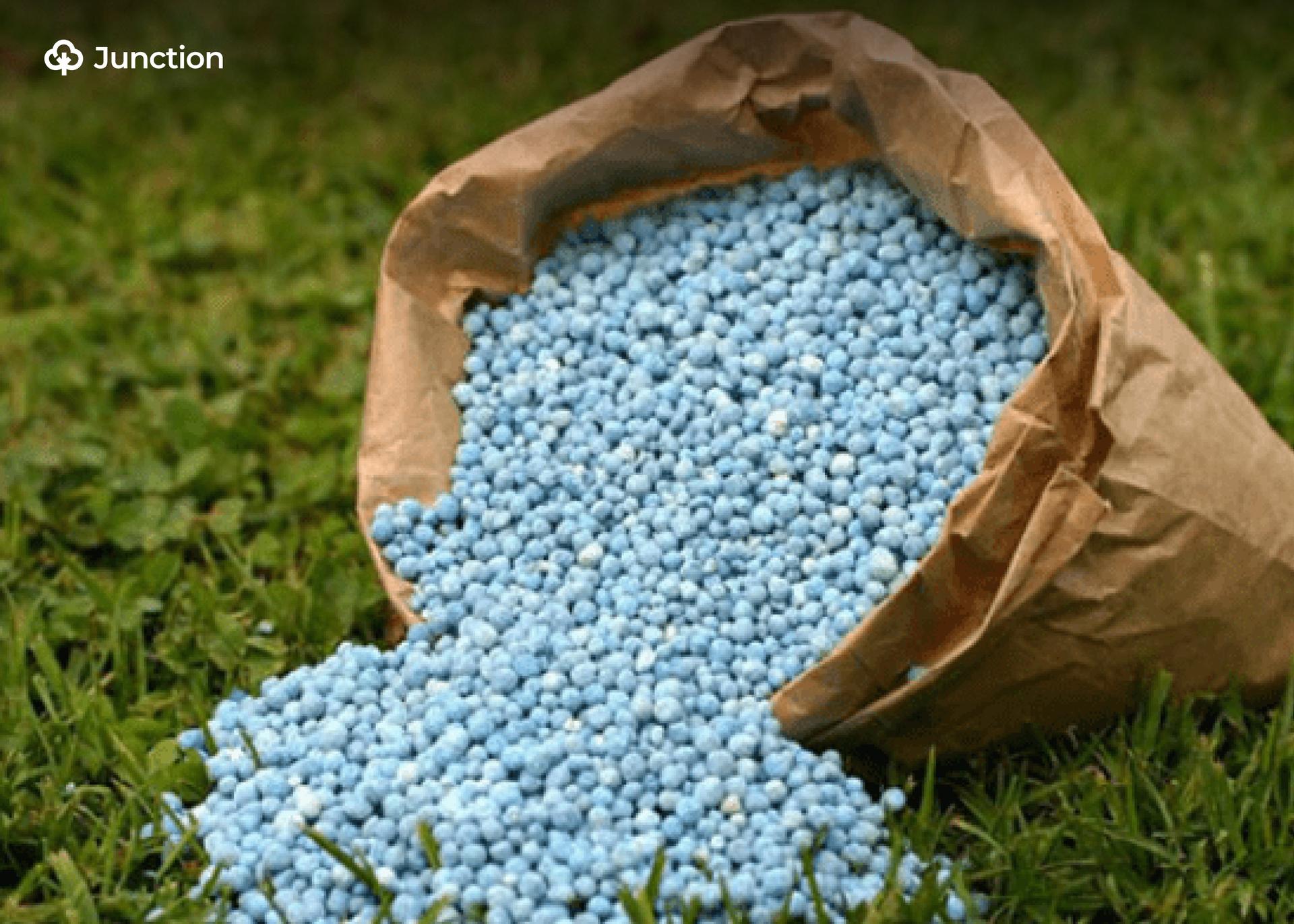
Urea is one of the most widely used nitrogen-based fertilisers in global agriculture. It contains chemicals like carbon, nitrogen, oxygen, and hydrogen, which provide a concentrated source of nitrogen, an essential nutrient for plant growth. In Nigeria, urea plays a crucial role in enhancing crop yields, particularly for staple crops such as maize, rice, and wheat. Its availability directly influences national food security, farm productivity, and the cost of agricultural inputs.
Nigeria’s agricultural sector has historically relied on imported fertilisers to meet demand, but the establishment of domestic urea production plants is changing this dynamic. Local production reduces dependence on imports, stabilises fertiliser prices, and creates opportunities for exports to neighbouring countries.
As of 2024, three major urea producers dominate the industry: Dangote Fertiliser, Indorama Eleme Fertiliser & Chemicals, and Notore Chemical Industries. Their combined capacity supports both domestic consumption and export ambitions, making them central to Nigeria’s drive toward agricultural self-sufficiency.
This listicle examines these key producers, their capacities, and their strategic importance to Nigeria’s agricultural economy.
1. Dangote Fertiliser
Dangote Fertiliser Limited operates a large complex in the Lekki Free Trade Zone, Lagos. The facility includes ammonia and urea production units, with a combined capacity of approximately 3 million metric tonnes per year. The plant’s two production lines (trains) came online in stages, Train 1 in 2021 and Train 2 in 2022, significantly boosting Nigeria’s production capacity. Dangote exports a sizeable share of its output, leveraging favourable gas contracts and economies of scale.
2. Indorama Eleme Fertiliser & Chemicals
Indorama’s Port Harcourt facility comprises two urea production lines (trains). The first train began operations in 2016, and the second was added in 2021. Together, these trains have a combined capacity of 2.8 million tonnes per year. Last year, the company secured a $1.25 billion financing package from the IFC and other partners to build a third nitrogen production line and a port terminal, underscoring its export ambitions and regional reach.
3. Notore Chemical Industries
Notore Chemical Industries, based in Onne, Rivers State, is Nigeria's third-largest producer of urea. Its plant has a design capacity of about 500,000 tonnes of urea per year. The company also operates an NPK blending plant and has export infrastructure, including its own jetty, enabling it to serve regional markets.
A Major Challenge In Urea Production
Despite the high combined capacity (6.5 million tonnes per annum), actual production in 2023 was around 3.65 million tonnes, highlighting a significant under-utilisation. Producers cite gas supply constraints as a primary limiting factor.
This gap presents both a risk and an opportunity: improving gas infrastructure could unlock full capacity, further strengthen Nigeria's self-sufficiency, and expand its export potential.
Implications for Nigerian Agriculture
Food Security and Farmer Access: Local urea production helps stabilise fertiliser supply for farmers, potentially reducing price volatility and improving access.
Export Revenue: With surplus capacity, Nigerian producers are increasingly exporting urea to global markets, diversifying non-oil export revenue. In 2023, Nigeria earned over $1 billion from the export of about 3.036 billion kg of Urea. This export accounts for the largest part of revenue for the urea producers and contributed to Nigeria’s non-oil industry
Energy Linkage: The fertiliser sector’s growth remains closely tied to gas infrastructure, making it a focal point for energy‑agriculture policy coordination.
Improving the urea production industry in Nigeria hinges on addressing the apparent gas supply challenge. Nigeria must continue to invest in energy infrastructure that guarantees a steady supply of the necessary gas to expand domestic fertiliser production capacity and boost exports.
The success of government interventions, such as the Presidential Fertiliser Initiative, which has significantly improved the availability of fertiliser to Nigerian farmers through government-powered import of raw materials and guaranteed support for blending plants, is proof that intentional action from the government can bring about drastic changes in the operational outlook of the fertiliser industry. If the government can craft a similar policy-backed initiative that assures the industry of the needed gas supply, then the potential can be maximised.
Conclusively, maintaining a balanced public-private partnership between the government and private urea producers, along with accompanying policies and strategic actions, will be essential to sustaining this momentum in the fertiliser sector.

Obinna Onwuasoanya
Obinna Onwuasoanya is a Lagos-based tech reporter, editor, and SEO specialist with over seven years of professional writing experience. A versatile storyteller, he also works as a ghostwriter and fiction author, with his works featured in leading online and print publications. In 2018, he was shortlisted for the prestigious Writivism Short Story Prize.
Comments
More Articles Like This


