Latest news, analysis and data in the agriculture sector.
news
Tinubu Approves National Livestock Reforms, Establishes New Ministry
By Obinna Onwuasoanya | Jul 09, 2024 | 0 comments

News in Brief:
- President Bola Tinubu establishes Ministry of Livestock Development to address farmers-herders conflict.
- Committee recommends reforms including grazing reserves to boost Nigeria's livestock sector.
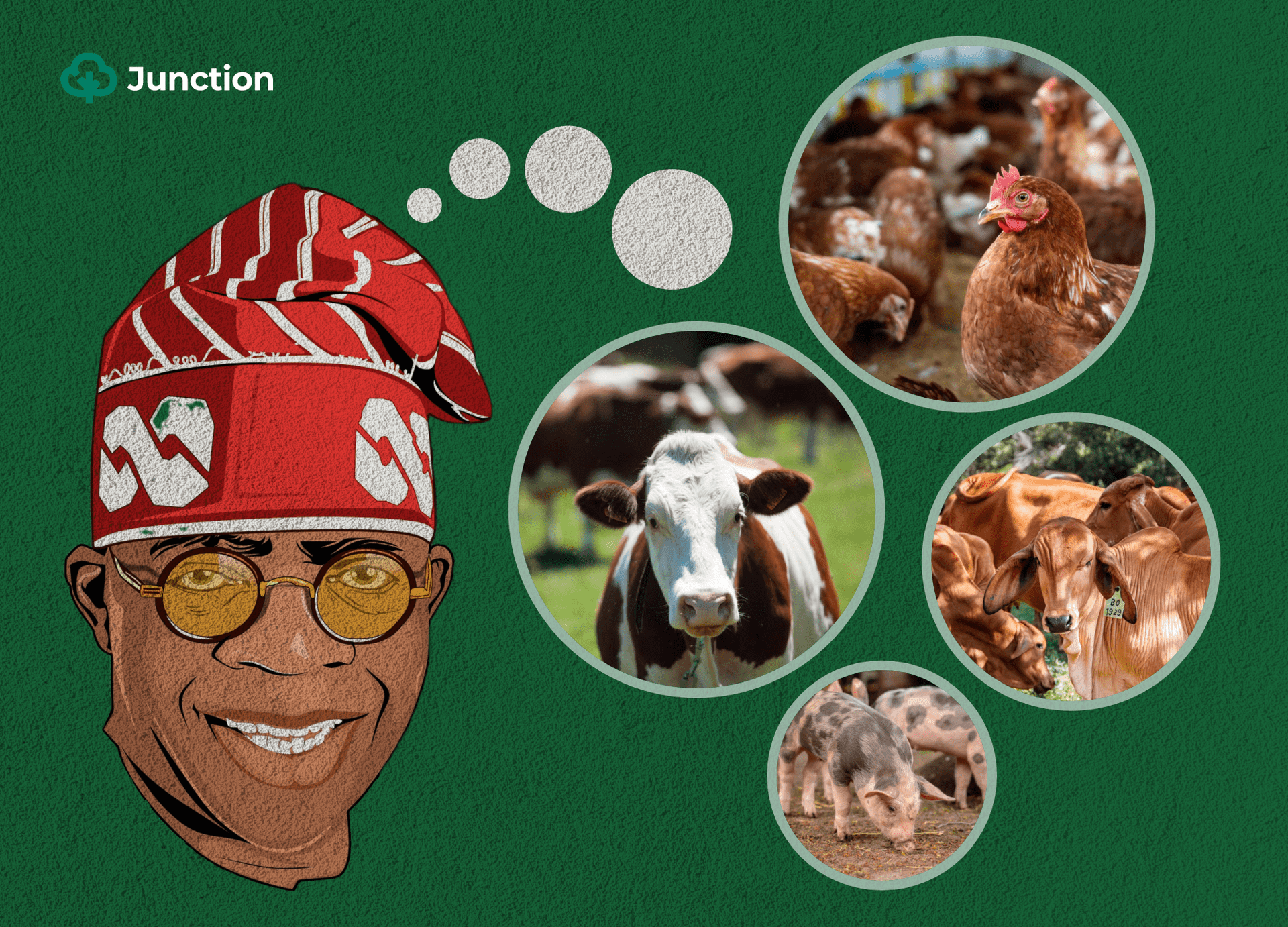
President Bola Tinubu has approved the creation of the Ministry of Livestock Development to resolve the longstanding conflict between farmers and herders in Nigeria, according to a news report. This decision, arising from recommendations by the National Livestock Reforms Committee, implies a significant moment in Nigeria's agriculture.
The farmers-herders clash in Nigeria is deeply rooted in competing land use practices, economic pressures, and ethnic tensions. This conflict, which often turns violent, has claimed lives, disrupted communities, and strained national unity. The establishment of a dedicated ministry underscores the government's recognition of the severity and complexity of this issue.
The new Ministry of Livestock Development is tasked not only with mitigating conflict but also with revitalising the livestock industry. This includes proposals for creating grazing reserves and improving land utilisation practices. Such measures are crucial in a country where livestock production is central to food security and economic stability.
[caption id="attachment_11494" align="aligncenter" width="1200"]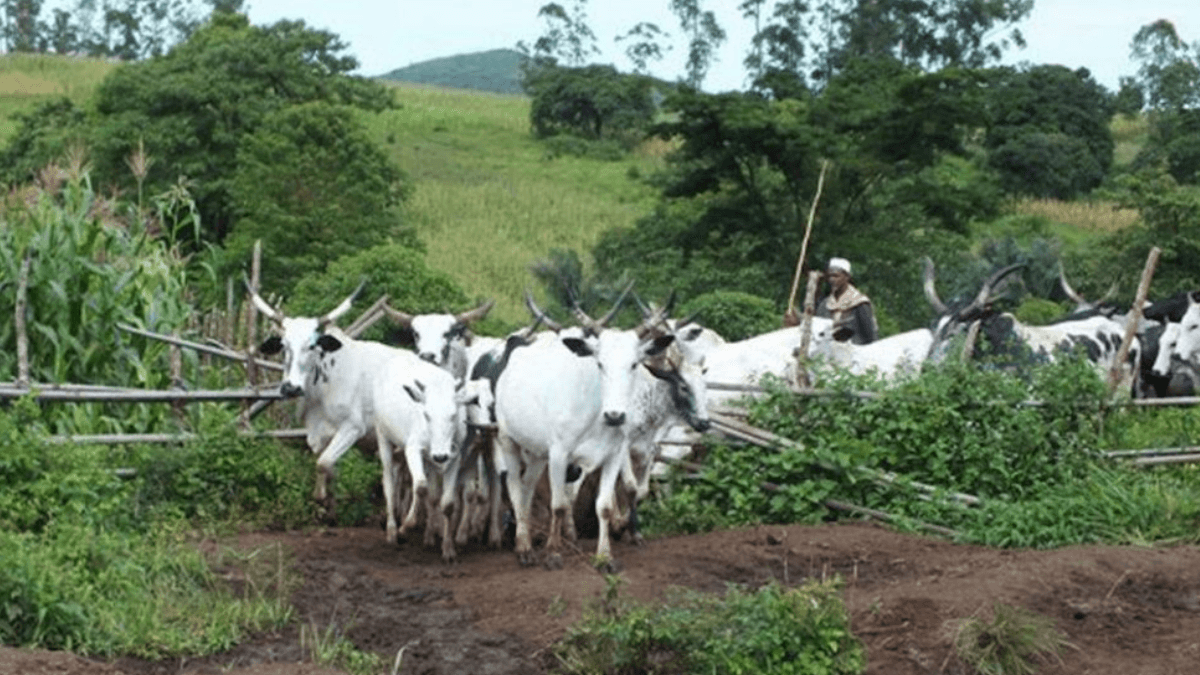 A herd of cattle invading a farm.[/caption]
However, the creation of this ministry is not without controversy. Critics argue that it may not fully address the underlying causes of the conflict, such as land tenure disputes and environmental degradation. Moreover, concerns about the ministry's effectiveness and resource allocation persist, especially given Nigeria's history of struggling with institutional capacity and corruption.
International comparisons and best practices
The committee's recommendation to model the ministry after similar institutions in West African countries raises questions about the applicability of foreign models to Nigeria's unique socio-economic landscape. While international collaboration and best practices can offer insights, local adaptation and community engagement will be critical to success. Beyond conflict resolution, enhancing livestock productivity is vital for reducing Nigeria's reliance on costly imports of dairy and meat products. Boosting local production not only supports economic growth but also strengthens food security and reduces pressure on foreign exchange reserves. As Nigeria moves forward with implementing these reforms, transparency, inclusivity, and sustainable practices must guide policy decisions. Engaging with stakeholders, including farmers, herders, and local communities, will be essential to ensuring that the ministry's initiatives are inclusive and effective.

Obinna Onwuasoanya
Obinna Onwuasoanya is a Lagos-based tech reporter, editor, and SEO specialist with over seven years of professional writing experience. A versatile storyteller, he also works as a ghostwriter and fiction author, with his works featured in leading online and print publications. In 2018, he was shortlisted for the prestigious Writivism Short Story Prize.
Comments
More Articles Like This


