Latest news, analysis and data in the agriculture sector.
farming
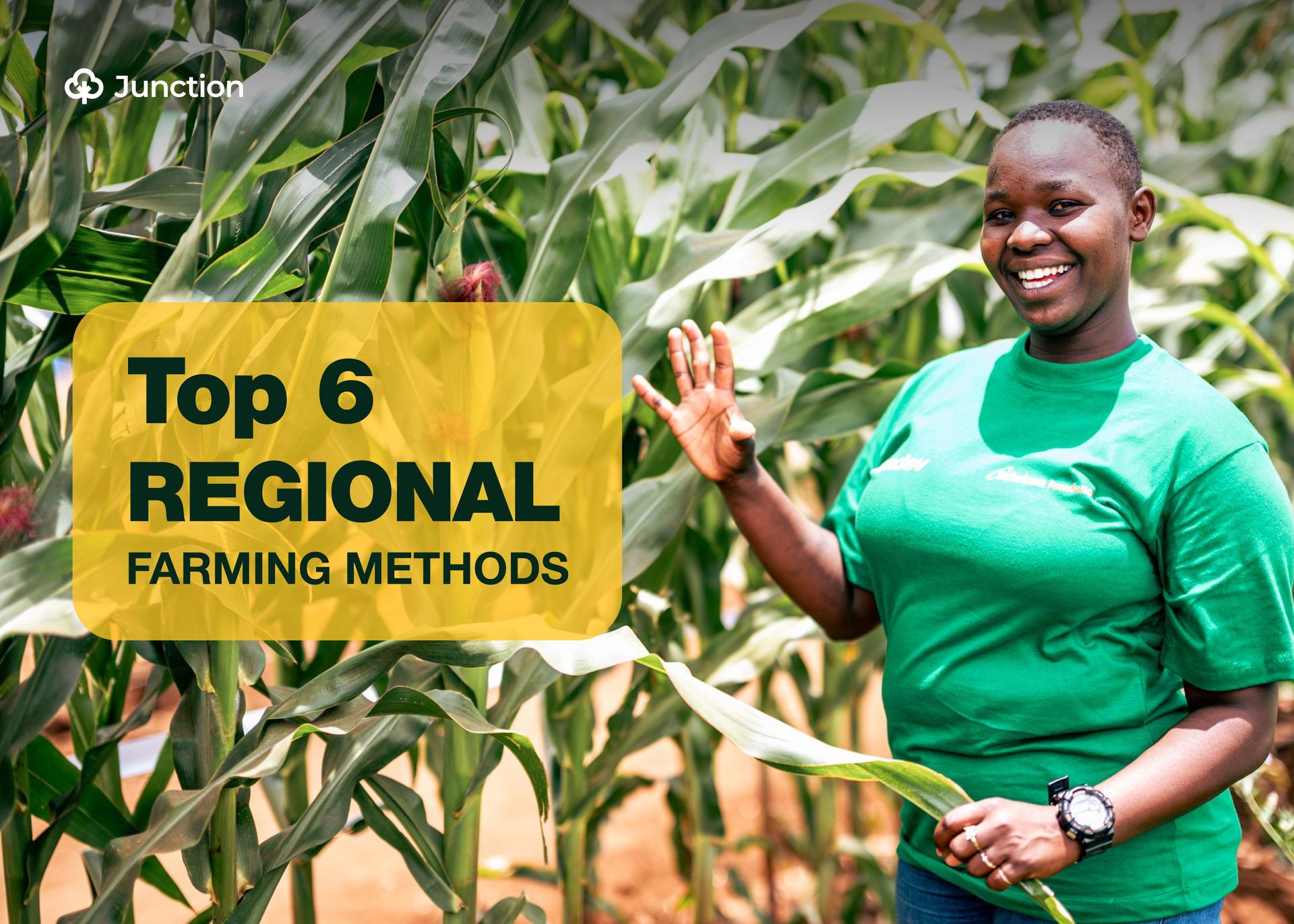
Top Six Regional Farming Practices In Nigeria
By Obinna Onwuasoanya | Sep 17, 2025 | 0 comments

Questions answered in this article:
-What are the distinctive farming practices across Nigeria’s geopolitical zones?
-How have Nigerian farmers adapted traditional practices to modern challenges?
-What challenges and opportunities face these farming systems today?
Farming in Nigeria isn’t just a vocation; it is a cultural blueprint shaped by centuries of observation, innovation, and adaptation. Despite recurrent challenges like erratic rainfall, desertification, land pressure, and policy lapses, Nigerian farmers, especially the smallholders who produce over 90% of the country’s food, have not relented. Instead, they have evolved resilient, often region-specific farming methods that not only support livelihoods but also preserve biodiversity, heritage, and hope.
This listicle outlines Nigeria’s most distinctive farming practices, arranged by geopolitical zone. It draws from both indigenous knowledge systems and modern scientific improvements, capturing the diversity and ingenuity that make Nigerian agriculture unique.
1. Northern Nigeria
Indigenous Dryland Cropping and Mixed Intercropping (Sokoto, Jigawa, Katsina)
Farmers in this region rely on:
- Millet, sorghum, and cowpea intercropping: Crops are selected not just for yield, but for drought tolerance.
- Early planting to match short rainfall windows.
- Seed saving and selection by women, often based on grain colour, size, and storage viability.
Modern Addition:
- Solar-powered drip irrigation hubs in Jigawa and parts of Niger State.
- Dambo farming (floodplain agriculture) in low-lying river valleys, especially in Yobe and Borno, is used for off-season vegetables.
Challenges:
- Cost of water infrastructure.
- Increasing desert encroachment in areas like Yobe and Northern Borno.
2. North-Central Highlands
Kofyar Terracing and Intensive Mixed Farming (Plateau State)
This unique highland system involves:
- Stone-lined terraces to prevent soil erosion.
- Crop-livestock integration: manure from goats or cattle enriches nutrient-depleted hill soils.
- Complex rotations: millet, yams, sesame, groundnuts.
The Kofyar have sustained some of the highest rural population densities in Nigeria using this model, proof that tradition and sustainability can co-exist.
Advantage: Year-round farming with high efficiency.
Challenge: Labour-intensive and threatened by rural youth migration.
3. North-East Nigeria
Organic Intercropping Systems (Gombe State)
Farmers in Gombe maintain:
- Animal manure-based fertility systems.
- Crop rotation and cover cropping.
- Minimum tillage to preserve fragile soils.
Why It Matters: This region boasts some of the most sustainable and low-external-input farms in Nigeria, in stark contrast to the synthetic input-heavy zones in the south.
Challenge: Lack of extension support and formal market access.
4. South-West Nigeria
a. Bush Fallow/Shifting Cultivation (Osun, Ogun, Oyo)
Historically, Yoruba farmers used:
- 1–3 years of cropping, followed by 10–15 years of fallow.
- Slash-and-burn clearing, often combined with food-forest tree preservation (e.g., oil palm, kola nut).
While it’s now declining due to land pressure, elements of this system persist in rural Osun and Ekiti.
b. Mechanised Smallholding and Commercial Farming (Ejigbo, Ibadan, Kwara)
- In Kwara, Shonga Farms (a state-backed commercial initiative with Zimbabwean farmers) operates on mixed models: maize, rice, dairy, and poultry.
- Ejigbo has also seen commercial poultry-crop integration, which maintains organic waste recycling at scale.
Challenge: Capital-intensive models risk excluding traditional smallholders.
5. South-East Nigeria
a. Compound Farm Tree Integration (Imo, Anambra)
In this region, homestead farms double as food, fuel, and medicinal spaces:
- Banana, citrus, and oil palm trees are intercropped with maize, vegetables, and yams.
- Over 50% of tree species are deliberately planted, a living gene bank.
b. Abakaliki Rice Cultivation (Ebonyi State)
Rice farming here thrives without irrigation in naturally swampy lands:
- Two cropping seasons yearly.
- Community-based milling clusters boost employment.
Advantage: High local processing capacity and knowledge transfer.
Challenge: Environmental degradation due to unregulated expansion.
6. South-South Nigeria
a. Agroforestry in Oil Palm Landscapes (Rivers, Cross River, Delta)
Farmers combine:
- Cocoa, oil palm, and cassava with shade trees like Albizia and Gliricidia.
- This helps reduce soil erosion, promotes biodiversity, and enhances income diversification.
b. Wetland & Peri-Urban Vegetable Farming (Bayelsa, Rivers)
In urban fringes, women-led cooperatives produce vegetables (ugu, waterleaf, scent leaf) using:
- Raised-bed techniques on swampy soils.
- Organic composts and fish pond waste as fertiliser.
Challenge: Land tenure insecurity, pollution from oil activities.
Evolving Practices Across Nigeria
While regional peculiarities persist, some practices are emerging across zones:
a. Indigenous Pest and Weed Management
- Neem leaf extracts, tobacco water, and ash application for insect control.
- Hand weeding remains predominant among over 80% of smallholders.
b. Integrated Pest Management (IPM)
- Slowly replacing pesticide-heavy methods in commercial vegetable zones.
- Combination of trap cropping, biological agents, and organic repellents.
c. Conservation Agriculture
- Practised in parts of Kaduna, Ogun, and Nasarawa through NGO-led trials.
- Includes minimum tillage, cover cropping, and mulching to improve soil health.
Obsolete or Declining Practices
Despite their historical significance, some traditional farming methods are gradually phasing out:
- Slash-and-burn is now discouraged nationwide due to deforestation and biodiversity loss.
- Uninterrupted monocropping is being replaced by intercropping and rotation due to declining soil fertility and rising pest pressure.
Conclusion
Nigeria’s unique farming systems weren’t born of lack; they were crafted through resilience. From the terraced slopes of the Plateau to the lowland rice fields of Ebonyi, the agroforests of the South-South to the dryland intercropping in Sokoto, each practice represents local innovation and environmental adaptation.
To support these practices moving forward, Nigeria must:
- Expand farmer education and extension services.
- Ensure climate-smart seed access.
- Improve land rights and access to finance.
- Encourage youth involvement through agro-tech and cooperative models.
Nigeria’s agricultural identity is not rooted in dependence; it is built on survival by design. Let’s invest in preserving and modernising what already works.

Obinna Onwuasoanya
Obinna Onwuasoanya is a Lagos-based tech reporter, editor, and SEO specialist with over seven years of professional writing experience. A versatile storyteller, he also works as a ghostwriter and fiction author, with his works featured in leading online and print publications. In 2018, he was shortlisted for the prestigious Writivism Short Story Prize.
Comments
More Articles Like This


