Latest news, analysis and data in the agriculture sector.
news
Unsafe Food Causes 53,000 Deaths Annually In Nigeria —FG Warns
By Chinwendu Ohabughiro | Jun 15, 2026 | 0 comments

News in Brief:
—The federal government revealed that unsafe food causes nearly 50 million illnesses and more than 53,000 deaths every year in Nigeria.
—Children under five account for over 80% of the country's foodborne disease burden, prompting renewed efforts to strengthen food safety systems.
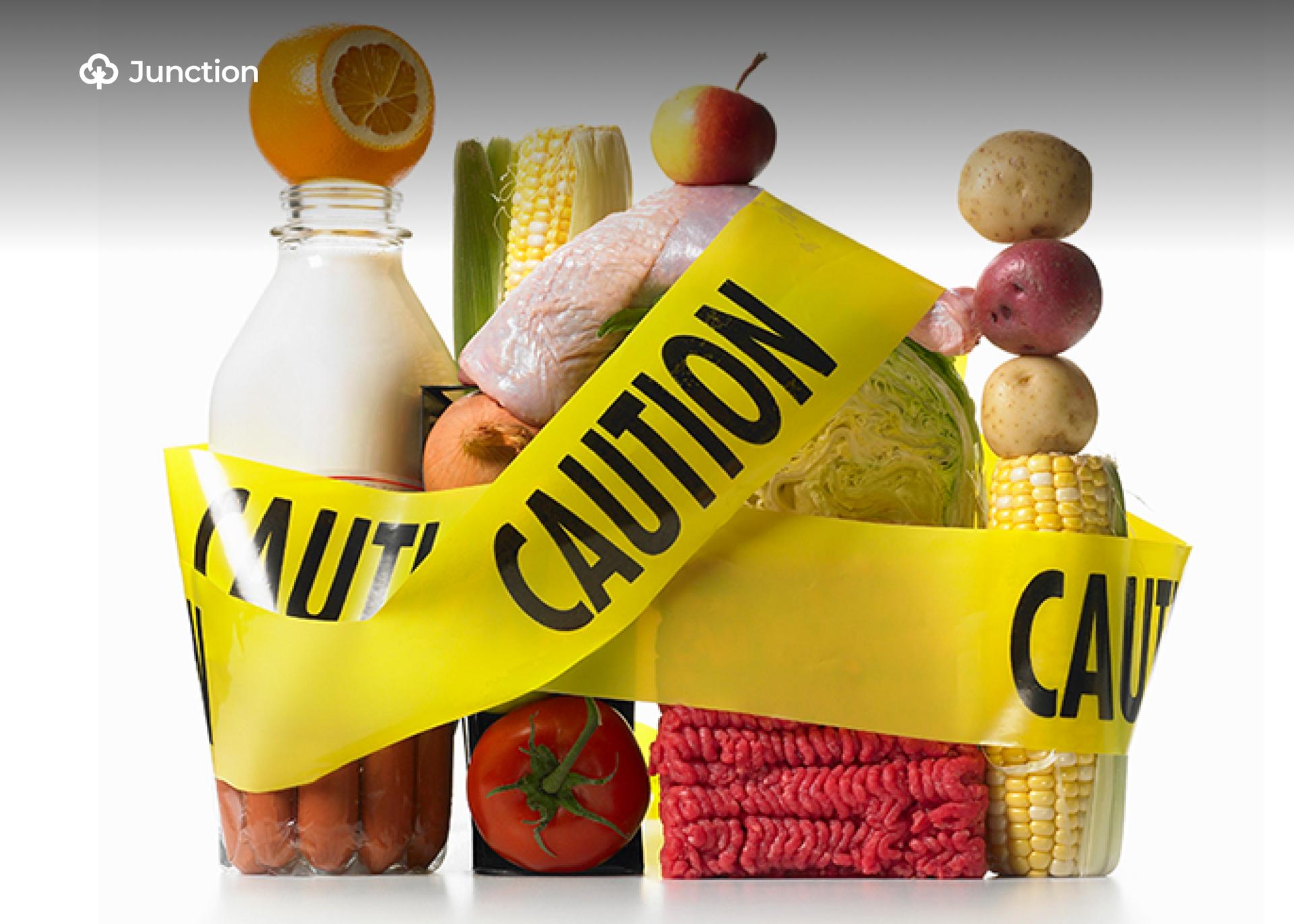
The Federal Government has expressed concern over the growing impact of foodborne diseases in Nigeria, revealing that unsafe food is responsible for nearly 50 million illnesses and more than 53,000 deaths annually.
The Minister of State for Health and Social Welfare, Dr Iziaq Adekunle Salako, disclosed this during a ministerial press briefing in Abuja to mark the 2026 World Food Safety Day, themed "From Burden to Solutions – Safe Food Everywhere."
According to the minister, updated estimates from the World Health Organisation (WHO) indicate that contaminated food continues to pose a significant public health challenge, with severe consequences for lives, livelihoods and national productivity.
Children Bear the Greatest Burden
Salako revealed that Nigeria loses approximately 4.26 million healthy life years annually due to illnesses, disabilities and premature deaths linked to unsafe food.
He noted that children under the age of five are the most affected group, accounting for more than 80% of the country's foodborne disease burden.
Beyond mortality and illness, he warned that foodborne diseases can negatively affect children's physical growth, cognitive development and long-term economic potential.
The minister identified diarrhoeal diseases caused by foodborne pathogens as the leading contributor to Nigeria's food safety challenges.
According to him, more than 40 million diarrhoeal cases are recorded annually due to pathogens such as Salmonella, E. coli, Campylobacter, Shigella, and rotavirus.
He also highlighted growing concerns over chemical contamination, particularly lead exposure linked to contaminated grains, spices and water sources.
Government Strengthens Food Safety Systems
Despite the challenges, Salako said Nigeria has made measurable progress in strengthening food safety governance and surveillance systems.
He noted that Nigeria's 2023 Joint External Evaluation (JEE) recorded improvements in food safety capacity. The country's 2025 State Party Annual Report (SPAR) score surpassed WHO benchmarks for low- and middle-income countries.
Nigeria also remains among the leading countries in Sub-Saharan Africa in detecting, reporting and responding to foodborne disease outbreaks.
The government has similarly strengthened coordination through the National Food Safety Management Committee and implemented National Integrated Guidelines for Foodborne Disease Surveillance and Response.
New Measures Target Unhealthy Diets
The Federal Government is also addressing dietary risks linked to non-communicable diseases, such as hypertension, diabetes, stroke, heart disease, and obesity.
Salako disclosed that Nigeria has developed National Guidelines for Sodium Reduction, while the National Agency for Food and Drug Administration and Control (NAFDAC) has finalised draft regulations to limit sodium levels in processed foods.
Additional measures include eliminating industrial trans fats in line with WHO recommendations, strengthening the regulation of sugar-sweetened beverages, and improving front-of-pack food labelling requirements
These initiatives are expected to encourage healthier food choices and reduce diet-related health risks.
Stakeholders Call for Collective Action
Several stakeholders at the event stressed that food safety requires coordinated action across government, industry and society.
Representatives from NAFDAC, the Federal Ministry of Environment, the Standards Organisation of Nigeria (SON), the WHO and development partners highlighted issues such as poor sanitation, unsafe water, pollution, climate change, weak waste management systems and unsafe agricultural practices as major contributors to foodborne diseases.
They called for stronger food safety enforcement, enhanced laboratory capacity, improved environmental surveillance, public awareness campaigns, and better food hygiene practices
The minister urged the media to play a more active role in educating Nigerians about safe food handling practices and healthy diets.
He stressed that reducing foodborne diseases requires the collective efforts of regulators, food producers, healthcare professionals, consumers and policymakers.
"Food safety is everyone's business. It saves lives, strengthens our economy and protects our children. The numbers show clearly that food safety is not optional; it is a national imperative," he stated.

Chinwendu Ohabughiro
Chinwendu Gift Ohabughiro is a Lagos-based content writer and communications specialist passionate about people-centered stories that inspire change. A lifelong learner, she loves exploring languages, culture, storytelling—and anything involving chocolate.
Comments
More Articles Like This


