Latest news, analysis and data in the agriculture sector.
news
World Bank Urges Nigeria to Reduce Import Tariffs to Curb Inflation
By Chinwendu Ohabughiro | Dec 01, 2025 | 0 comments

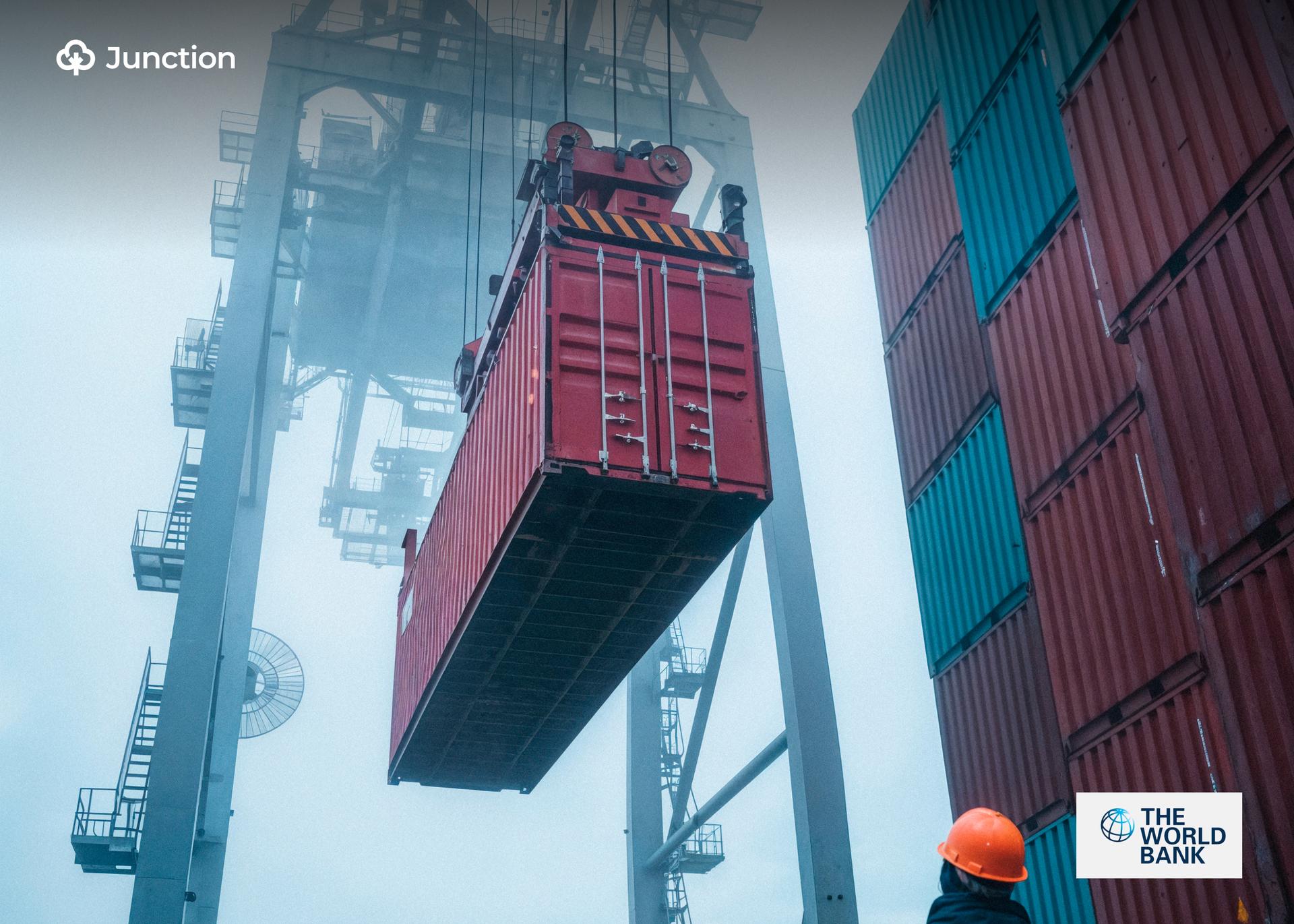
News in brief:
-World Bank recommends easing Nigeria’s trade restrictions to reduce inflation and boost the supply of essential goods.
-The government signals readiness to reassess tariffs and review import bans under new economic reforms.
The World Bank has advised the Federal Government of Nigeria to urgently reduce import tariffs and review longstanding import bans as part of measures to address persistent inflation and ease the rising cost of living, which affects millions of households.
Speaking during a national broadcast, the World Bank Country Director for Nigeria, Mathew Verghis, warned that soaring inflation, driven largely by escalating food prices, continues to erode purchasing power and deepen poverty nationwide.
“Nigeria has high tariffs and, in some cases, import bans on goods consumed by the poor,” Verghis said. “One way of lowering inflation quickly is to reduce some of these tariffs and take away some of these import bans.”
According to the Bank’s 2025 economic assessment, easing trade restrictions will help address supply shortages, encourage market competition, and slow price increases on essential products.
Policy Recommendations
The World Bank outlined several reforms, such as removing import bans on key consumer goods and agricultural inputs, reducing high import tariffs to improve supply and affordability, restoring competitive market conditions to expand consumer options, and enhancing customs revenue and trade flows under the current exchange-rate system.
While Nigeria’s protectionist stance was originally intended to promote local production, the Bank notes that it has instead contributed to higher retail prices, scarce essential goods, weak consumer purchasing power, and rising poverty levels.
Government Shows Interest in Review
Nigeria continues to face high double-digit inflation, with food inflation posing the greatest threat to vulnerable citizens. Analysts stress that easing trade barriers may deliver faster relief than monetary tightening measures alone.
Indicating a policy shift, the Minister of Finance and Coordinating Minister of the Economy, Wale Edun, confirmed that the government is reviewing tariffs and import bans as part of the next phase of economic reforms aimed at boosting productivity and stabilising prices.
If adopted, the proposed reforms could:
- Reduce inflationary pressures
- Increase availability of essential goods
- Improve household welfare
- Support broader economic recovery
The World Bank maintains that strategically opening up the market, especially for goods that directly affect low-income households, could help Nigeria restore economic stability while supporting long-term growth.

Chinwendu Ohabughiro
Chinwendu Gift Ohabughiro is a Lagos-based content writer and communications specialist passionate about people-centered stories that inspire change. A lifelong learner, she loves exploring languages, culture, storytelling—and anything involving chocolate.
Comments
More Articles Like This


